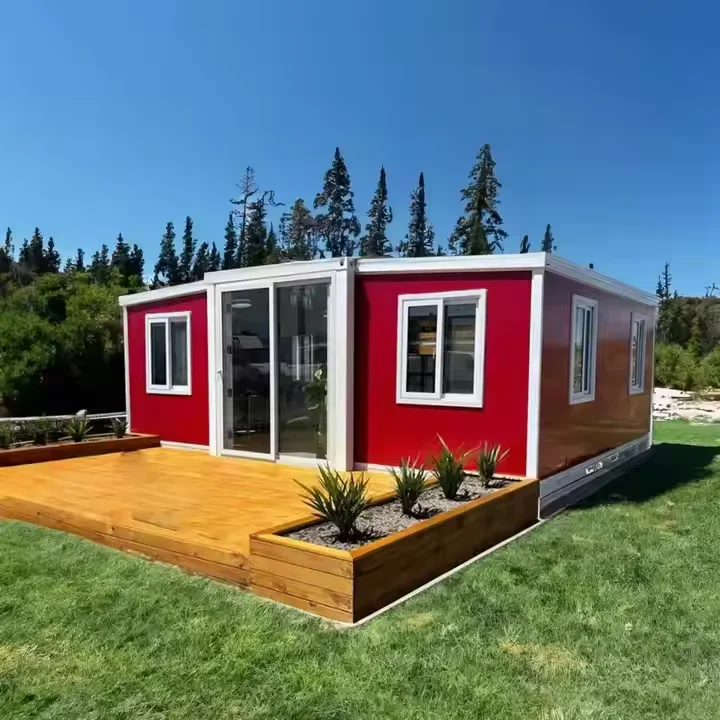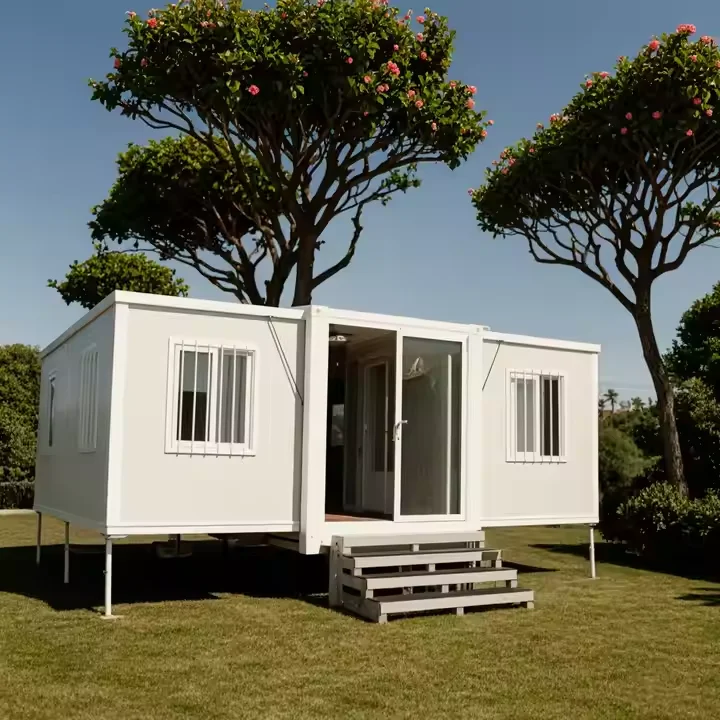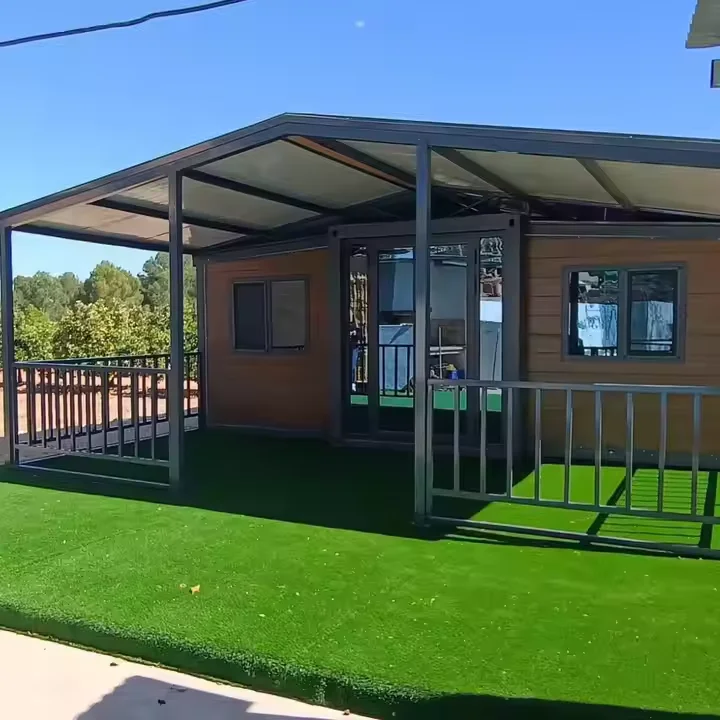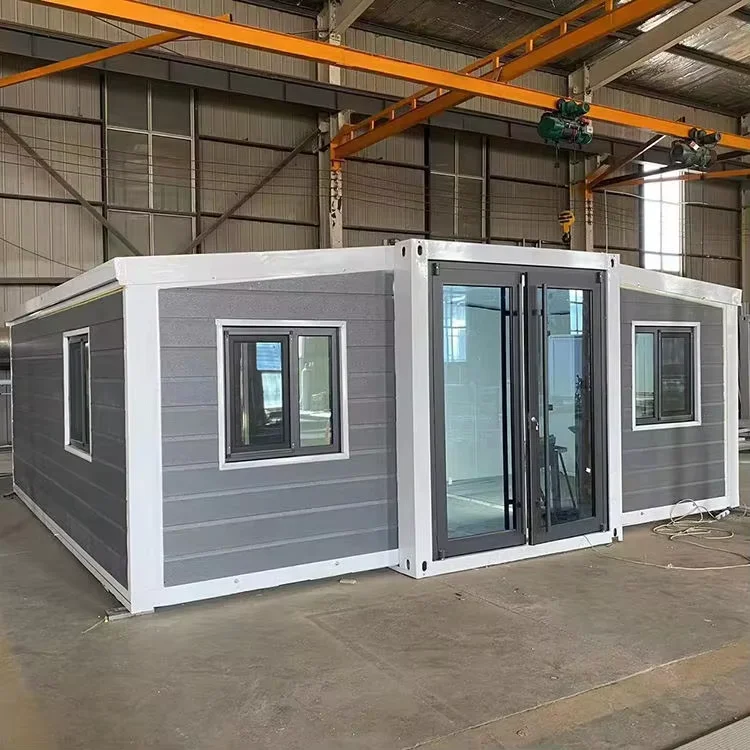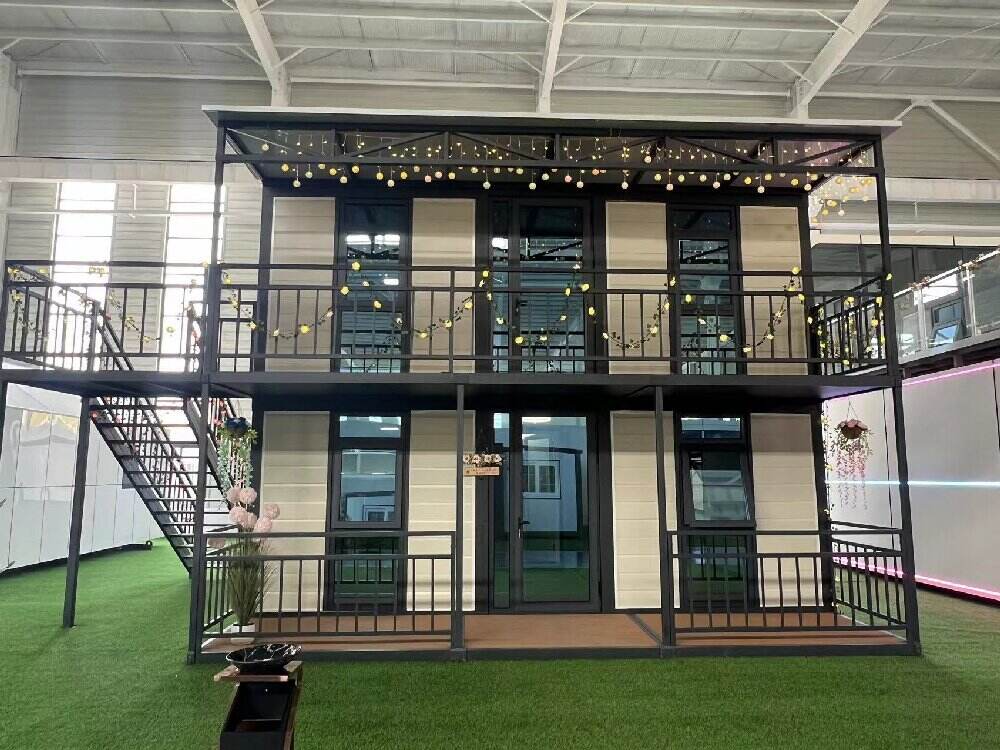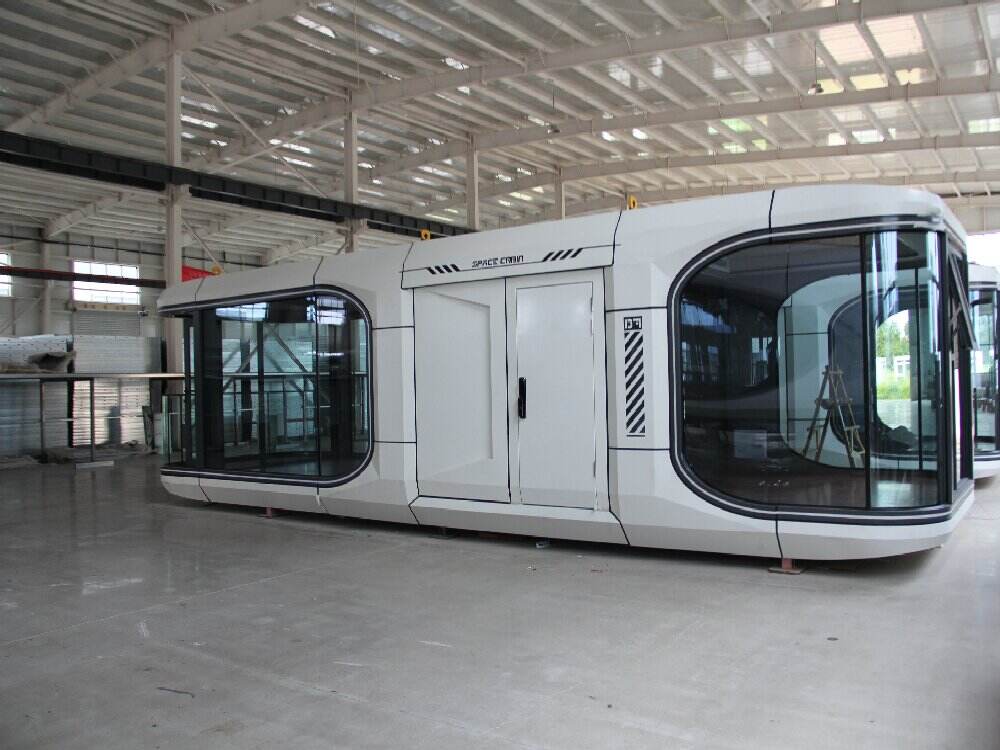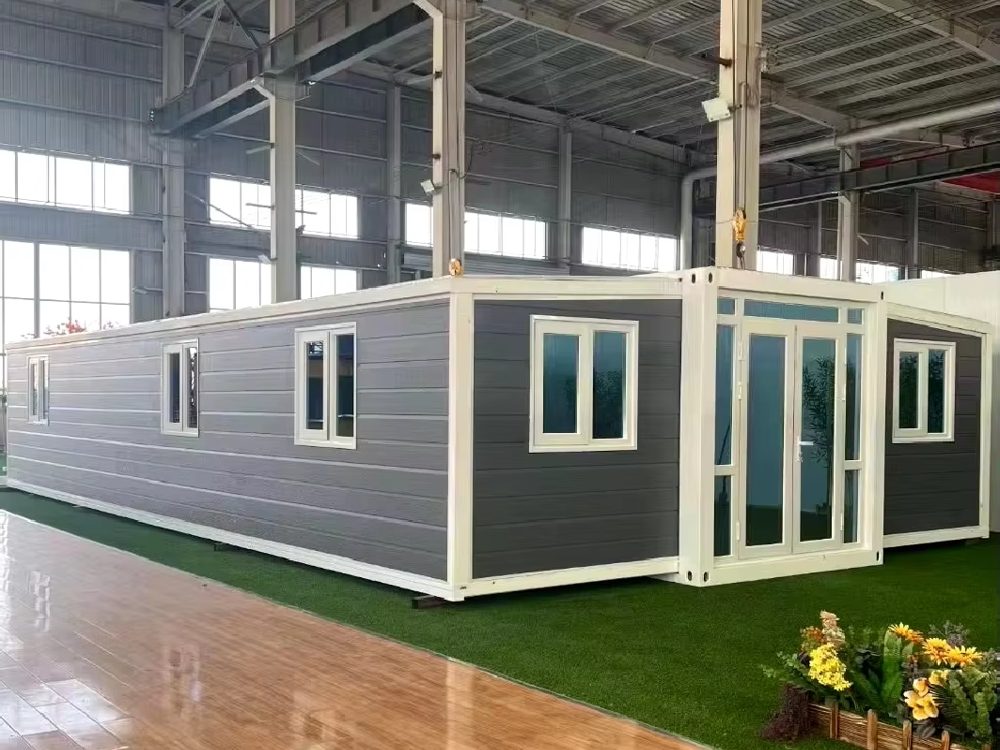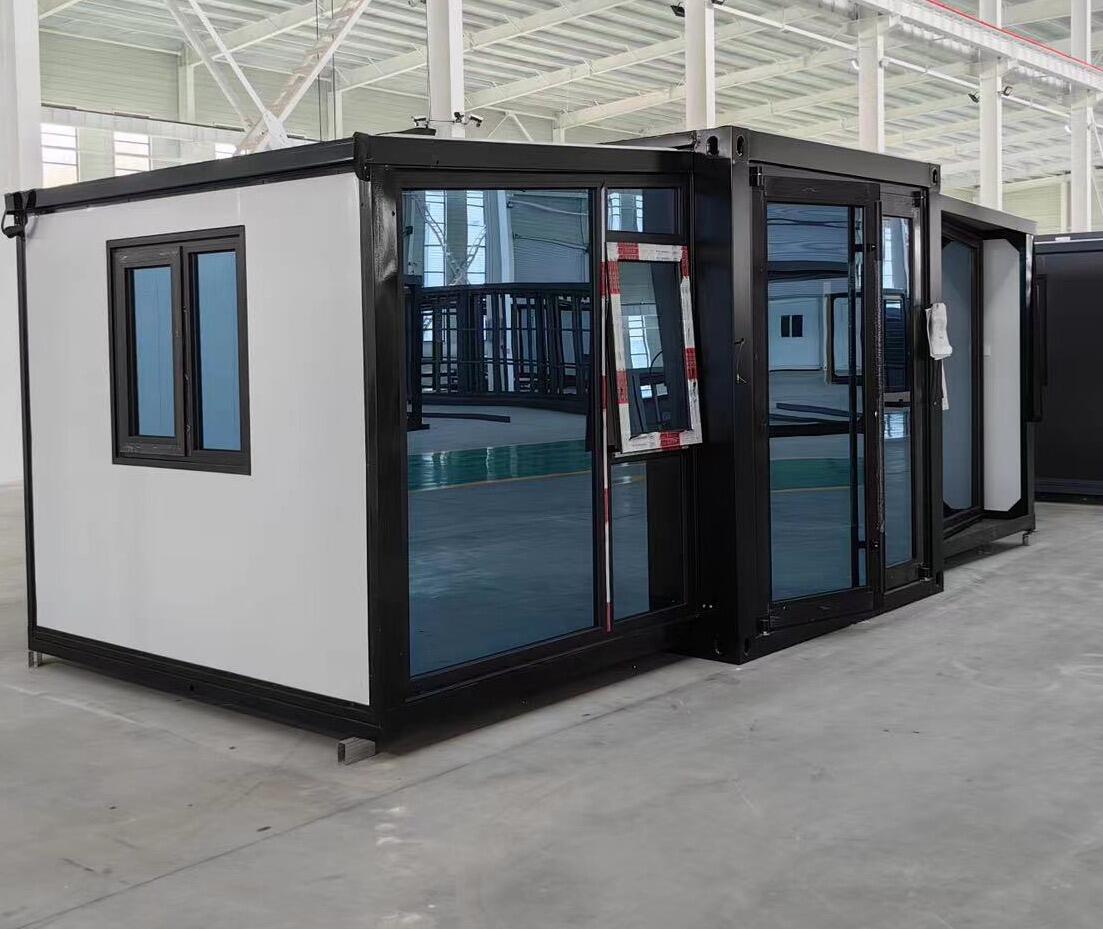
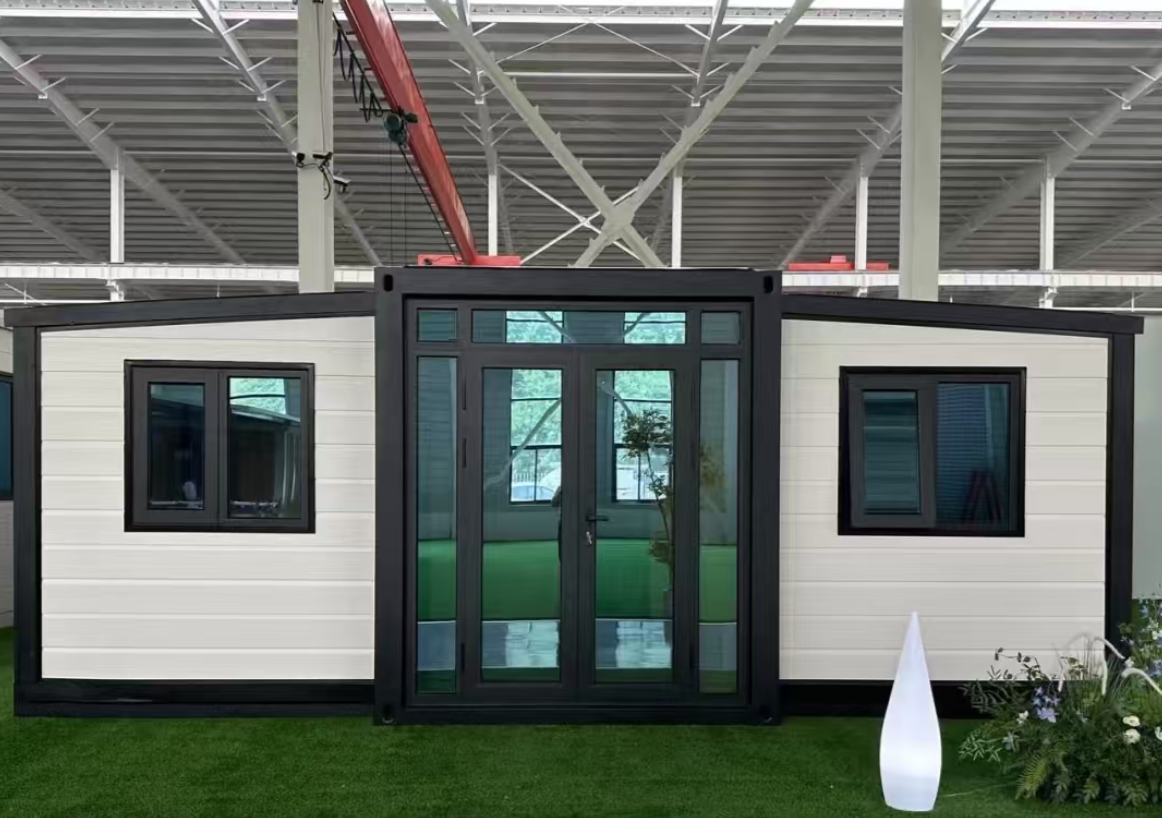
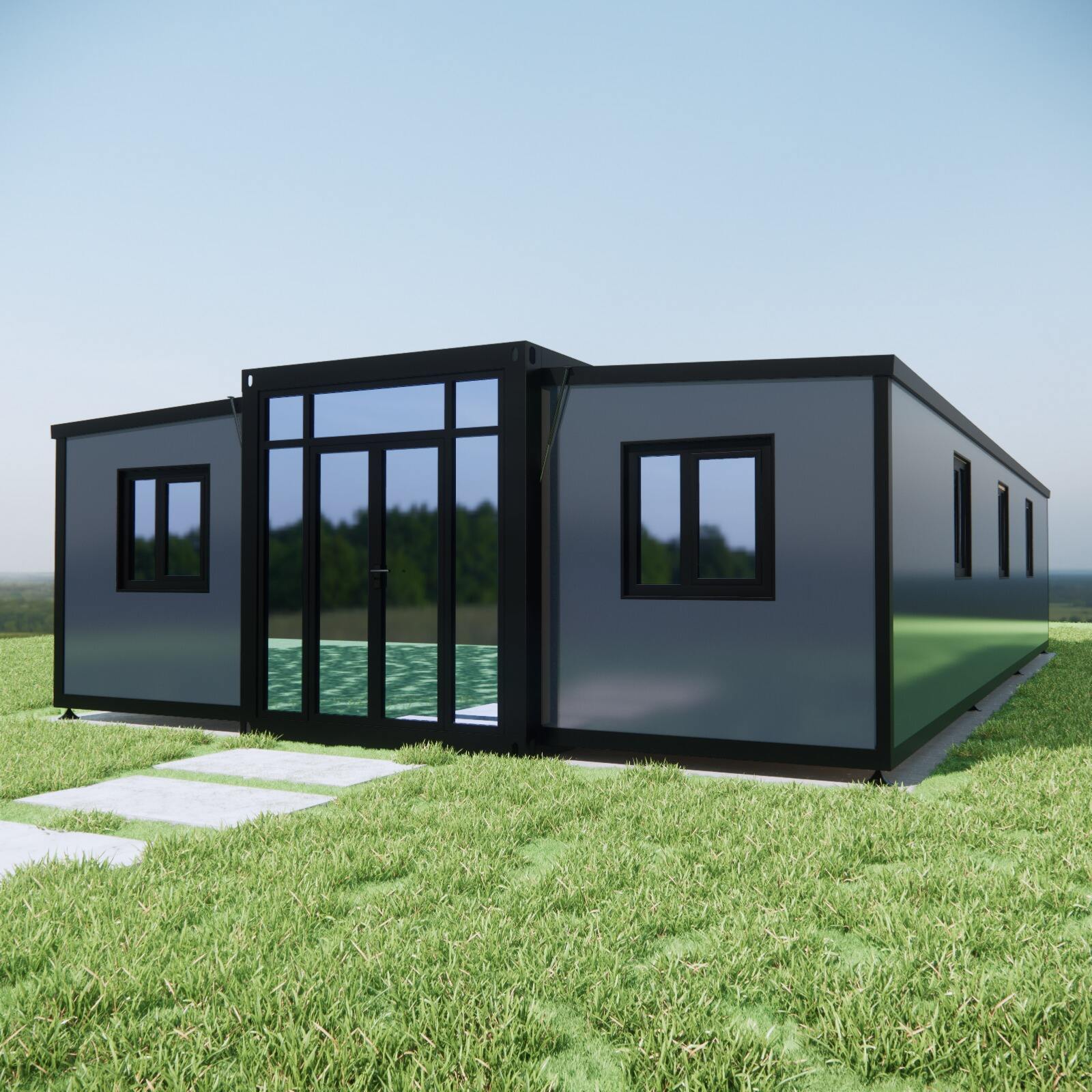
One of many results of the modern need of flexible, rugged, and quickly deployable space is the folding house construction. In ZONDA, ZONDA does not see this as just fabrication. It is much more the branch of mobile architectural engineering. A true folding house is not just about folding houses as containers. It is about environment system that is capable of providing extreme performance, durability, and comfort at extreme operational conditions and in various locations around the globe.
Concerning folding houses, ZONDA´s core engineering philosophy is in dynamic structural integrity. In contrast to the static state of building construction, folding building structures are required to have a fully articulated design with smooth, secure closed transitions that can easily and quickly switch to a fully articulated design and back to a fully closed design. This is what the patented hinges and latching systems are all about, and it is also what the extensive use or not use of finite element analysis in any given design to model how the system will interact with itself or the environment during use over a given period of time. Given the need for folding building structures to maintain a fully closed design over a large number of cycles, the systems have to use a frame that is high-tensile structural grade galvanized steel treated for corrosion resistance. Given the construction of the frame and its end use, it will be deployed in a coastal or industrial atmosphere at some point in its life. The walls of the folding houses also play a critical role. They are high performance composite sandwich panels with either a core of polyurethane (PUR) or of rock wool. This is a critical design choice for composite sandwich wall panels as it contributes to the folding houses high operational energy efficiency and contributes to its ability to remain in a cost efficient heating and cooling tier for users (indoor environment) during high energy operational (in extreme operational conditions) periods . This needs to be given due consideration in the design of base or core operational and energy systems of any number of the folding houses.
There are also many advantages from a logistical and economical point of view. The ability to ship and transport multiple folded units reduces freight costs and lowers the carbon footprint. Less site preparation is required and there is no need to conduct extensive foundation work as our houses can be installed on simple concrete pads or screw piles. For resource extraction, infrastructure development, and disaster management, these considerable reductions in site preparation and environmental disturbance mean a project’s and its facilities are not only built in a fraction of the time traditional methods take, but also a project’s capital can be released and spent much earlier.
In addition, the range of potential applications for a high-quality folding house is extensive. In the commercial field, they are instant office complexes, temporary retail stores, and portable laboratories. In the hoptail industry, they are used as environmentally friendly glamping pods and as eco-modules in the addition of hotels. For rapid emergency housing or temporary military barracks, they provide governments and humanitarian agencies with secure and dignified accommodation. The built structures are also flexible as they can be placed side, and stacked on top of, to each other, forming multi-storey units, creating a flexible, modular configuration that can be adjusted as the project demands.
In the end, purchasing a high-quality, folding portable house designed by ZONDA is a purchase of certainty, effectiveness, and durability. It is a forerunner in an intelligent, engineered product that has undergone intense quality scrutiny while maintaining an ability to function in a versatile manner. We offer more than a product; we offer a complete, fully deployable, portable house that satisfies the strictest requirements of global safety and construction standards.
Copyright © 2025 by Zhongda (hebei) Modular Housing Co., Ltd.
 EN
EN