 EN
EN
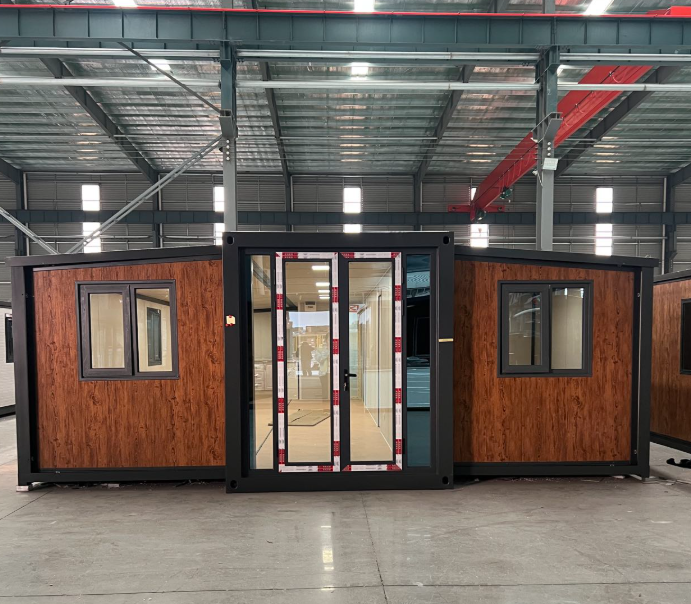
Структурна интегритет проширивих кућа: Инжењерство за деценије употребе
Модуларни спојеви за проширење и системи за заграђивање: У складу са АСТМ Е2847 и ИСО 10659
Модуларни спојеви за проширење и системи завеса делују као покретни делови који омогућавају проширујуће куће, омогућавајући контролисан покрет приликом савијања, а истовремено чувајући све структурно здраво. Већина квалитетних производа испуњава индустријске стандарде као што су АСТМ Е2847 за понављање стресних тестова и ИСО 10659 који осигурава да вода не излази тамо где не би требало да буде. Најбољи произвођачи обично користе троструко запечаћене лежајеве од нерђајућег челика заједно са посебним легурама који се не рђају, а све то се потврђује тестовима који симулишу шта се дешава током деценија коришћења. Истински докази из подручја подложних земљотресима показују да ови системи могу да се носе са до 2,5 инча бочним кретањем без ослабљења структуре. Уређаји за праћење такође показују да правилно сертификовани зглобови остају у оквиру 0,1 милиметар од свог првобитног облика чак и након стотина проширења и контракција.
Да ли су механизми за савијање слабе тачке? Докази из података о резултатима на терену од 10+ година
Истраживање које је пратило 217 кућа које се могу проширити током времена показује да механизми савијања нису слаби места као што многи претпостављају. Када се правилно одржавају, ови системи се не успевају око 40% мање у поређењу са традиционалним фиксираним прозорцима. Гледајући проблеме корозије дуж обала, открили смо да посебне методе раздвајања метала могу учинити да делови трају дуже од 15 година пре него што им треба замена. Тестирања која су спроведена у подручјима подложним ураганима такође показују нешто занимљиво: завесе направљене са више слојева и заштићене жртвеним плочама за износ и даље задржавају преко деветдесет посто своје почетне чврстоће чак и након десет година рада. Све ово говори много о томе како данашњи дизајн савијача укључује резервне безбедносне карактеристике и пажљиво одабране материјале, доказујући да се добро супротстављају стандардним опцијама трајне конструкције у погледу трајне снаге.
Дуговечност материјала и отпорност на животну средину у домовима које се могу проширити
Кортен против галванизованог челика: отпорност на корозију током 30-годишњих циклуса (НИСТ 2023)
Недавна студија НИСТ-а из 2023. године погледала је како Кортен челик издржава од галванизованог челика када је изложен условима сличним онима које видимо дуж обала током 30 година. Оно што су открили било је прилично занимљиво: Кортен формира заштитни слој који се зове патина и који се заправо само-здрави. То ограничава оштећење корозије на око 0,25 мм, што је око 40% боље од обичног циљаног челика који губи у просеку 0,65 мм. Галванизовани премази имају тенденцију да се потпуно разбијају када се оштете, али Кортен наставља да ради чак и након што се поцаца. Ово је веома важно у тим сложеним преклапаним зглобовима где се солена вода заробљава без обзира на све. Истински докази из подручја са јаким ветровима и пуно соли у ваздуху показују да конструкције направљене од Кортена требају пола мање поправки које се односе на корозију након само 15 година. Иако Кортен кошта мало више, дуготрајно се исплаћује јер је потребно мање одржавања и ствари трају дуже у суровим окружењима.
Тхермални прекоп и деградација изолације на интерфејсима за проширење панела
Када се панели понављају у проширењу и контракцији, то заиста повећава проблеме са топлотним мостовима и узрокује бржу издржљивост у тим точкама повезивања. Материјали који проводе топлоту могу повећати локални губитак топлоте за око 30 посто. А те празнине које се с временом стисњују? Они се такође много брже разбијају. Лабораторни тестови показују да обична изолација од стакловола губи око 15 до 20% своје ефикасности након што прође 5.000 циклуса компресије. Данас се са овим проблемима истовремено баве и савременим грађевинским методама. Устављање континуиране круте пене изван зидова спречава да се формирају те досадни топлотни мостови. У међувремену, еластомерна плена за спреј са затвореним ћелијама одржава конзистентан перформанс чак и када се ствари померају и крећу. Ови приступи раде руку под руку како би спречили кондензацију да се гради унутар зидова, што значи да не расте плесен где не би требало, а такође штити структуре од оштећења током тих бруталних циклуса замрзавања и отварања које видимо у хладнијим регионима. Плус, они и даље омогућавају природни покрет који зграде требају без узроковања структурних проблема на путу.
Основа, закотвовање и интеграција локације за трајну стабилност
Да би се куће које се могу проширити издржале пробы времена, њихов темељ мора бити чврст као камен. Ове структуре захтевају посебан инжењерски рад јер се редовно шире и сужавају, плус сва тежина коју носе. Обичне куће се не суочавају са истим изазовом. Домови који се могу проширити треба да имају темеље изграђене у фазама, нешто што већина традиционалних градитеља није навикла да се носи. Када се бавите слабим условима тла, неке методе постају апсолутно потребне. У таквим ситуацијама компактно запљување чини чуда, спречавајући проблеме када се различити делови куће током времена насељавају различитим стопама. Многи извођачи радова су то научили на тежак начин након што су видели шта се дешава када се исправно стабилизовање тла не врши од самог почетка.
Добро закотвовање у великој мери зависи од тих специјалних болтова направљених за земљотреса и јаких веза посебно дизајнираних да држе ствари када ветрови постану веома жестоки. Цео систем мора да ствара континуирану снагу од врха зграде до основе, али и даље да би се зграде кретале довољно на тачкама ширења где се материјали шире и сужавају. Неке тестове из стварног света су такође показале нешто прилично импресивно. Када градитељи пре инсталације провере с којим типом тла раде, ове конструкције имају око 98 одсто мање стресна стања након деценије у поређењу са онима који прескоче овај корак. Има смисла зашто све више компанија почиње да инвестира у одговарајуће процене локације сада.
Правилна интеграција локације додатно повећава отпорност: прецизно класификовање усмерава подземне воде далеко од основе, а стратешко постављање проширења следи природне контуре терена. Овај интегрисани приступ трансформише маргиналне супстрате у стабилне, дугорочне платформе који гарантују сигурну перформансу деценијама.
Доказане стратегије одржавања да би се повећао трајање живота куће
График одржавања запечати, лежања и премаза: Продужавање трајања употребе преко 25 година
Редовно одржавање пломби, лежаја и заштитних премаза помоћи ће опреми да траје и дуже од 25 година. Проверите да ли су те затварања за проширење најмање два пута годишње напуњена или да ли су почеле да се одвоје од њихових монтирача. Ако се брзо замени, вода не може да уђе у коморе и изазове проблеме са рђањем. За лежајеве од нерђајућег челика, једном годишње наносите маст морског квалитета која ради на било коју температуру коју опрема види. То чини да ствари не прелазе без проблема трчења који се временом развијају. Поврхне коврчеве од епоксида или полиуретана треба освежавати сваких пет година на свим челичним деловима који су на отвореном ваздуху. Ово постаје још важније у близини обала где сол у ваздуху значајно убрзава распад метала.
Ова тространка стратегија усмерена је на три компоненте са највишим износом:
| Компонента | Интервал одржавања | Критична акција | Утицај на животни век |
|---|---|---|---|
| Печати | 6 месеци | Замените оштећену ветерстрипинг | Пречека штету воде |
| Колаже | Годишње | Масти се мастом за морску употребу | Смањује механичко зношење |
| Покрива | 5 година | Поново наносите корозионски отпорну горњу кожу | Блокира путеве оксидације |
Непоштовање овог распореда повећава ризик од неуспеха за 40% у окружењима са високом влажношћу. С друге стране, конзистентно одржавање очува структурни интегритет, топлотне перформансе и оперативну поузданосту складу са теренским доказима који показују да добро одржаване јединице постижу 32+ година рада без великих ретрофитса.
Често постављене питања
Које стандарде поштују прошириве куће за модуларне прошириве зглобове?
Домови који се могу проширити често испуњавају индустријске стандарде као што су АСТМ Е2847 за понављање стресних испитивања и ИСО 10659 како би се осигурало искључивање воде из структурних подручја.
Како се механизми за преклапање одржавају током времена?
Истраживања која су пратила 217 кућа показују да се преклапани механизми заправо мање разбијају у поређењу са фиксираним конструкцијама, ако се правилно одржавају.
Који се материјали користе да би се спречила корозија у кућама које се могу проширити?
Кортенски челик је преовлађујући због својих својстава само-исцељења, формирајући патину која значајно боље ограничава корозију од циљаног челика.
Како се прошириве куће баве проблемима топлотних мостова?
Домови који се могу проширити користе континуирано круту пјену и еластомерну затворене ћелије на прашу изван зидова како би се спречио губитак топлоте и одржала ефикасност изолације.
Зашто су темељи и интеграција локације од кључног значаја за куће које се могу проширити?
Домови који се могу проширити захтевају чврсте темеље због редовних проширења и контракција. Правилна интеграција локације и анализа тла спречавају будуће структурне проблеме.
Садржај
- Структурна интегритет проширивих кућа: Инжењерство за деценије употребе
- Дуговечност материјала и отпорност на животну средину у домовима које се могу проширити
- Основа, закотвовање и интеграција локације за трајну стабилност
- Доказане стратегије одржавања да би се повећао трајање живота куће
-
Често постављене питања
- Које стандарде поштују прошириве куће за модуларне прошириве зглобове?
- Како се механизми за преклапање одржавају током времена?
- Који се материјали користе да би се спречила корозија у кућама које се могу проширити?
- Како се прошириве куће баве проблемима топлотних мостова?
- Зашто су темељи и интеграција локације од кључног значаја за куће које се могу проширити?