 EN
EN
The Rise of Apple Cabin in Modern Glamping Trends
How Apple Cabins Are Redefining Outdoor Hospitality Experiences
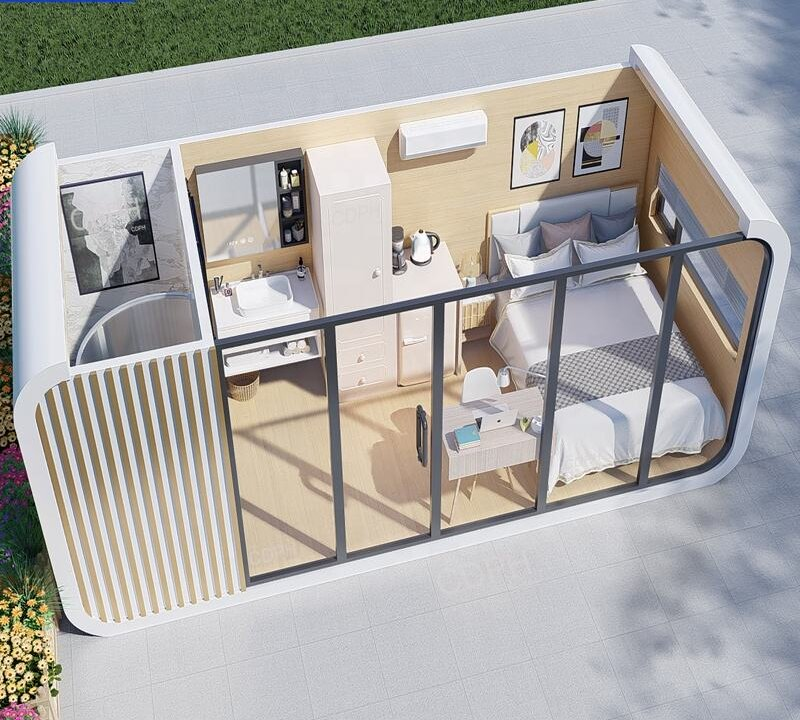
The Apple Cabin concept is changing what people expect when spending time outdoors. These cabins come equipped with big windows that let in lots of natural light, climate control through apps on phones or tablets, plus warm floors during cold nights. Travelers who want both excitement and some creature comforts find them really appealing. Compared to regular camping tents, Apple Cabins stand up better against bad weather and provide special experiences such as soaking in an outdoor bathtub while looking at stars above. According to some recent data we saw somewhere around 2025 from InNature Manufacturer Blog, there's been about a 70 something percent increase in trips planned specifically for taking great photos online. Smart tech built into these units along with their flexible designs means hotels can now offer customized getaways no matter where guests happen to be staying whether deep inside forest areas or right next to sandy beaches.
Why Modular Architecture Meets Evolving Glamping Consumer Demands
The modular approach really tackles what's hot in glamping right now – getting things up fast and adapting to different sites. People are looking for something special these days, places that care about nature but still feel luxurious enough for weekend getaways. Apple Cabins has cracked this code with their ready-made structures. Setup takes way less time than traditional lodges, somewhere around half as long actually, which means operators aren't stuck waiting when tourist seasons change. The designs work great for all sorts of groups too. Solo travelers love the tiny pods while families appreciate having multiple units connected together. Market research from last year showed exactly this kind of flexibility is becoming standard across the industry. Plus, since these modules don't mess with the landscape much, businesses can charge different rates depending on demand without damaging the environment.
Case Study: Rapid Adoption in U.S. and European Luxury Camping Resorts
Resorts across Colorado and Montana are seeing something pretty amazing happen these days. The places equipped with Apple Cabins hit nearly 90% occupancy last year, way ahead of the old style yurts which only managed around 65%. Over in Europe, the Alpine Eco-Lodges in Switzerland had an incredible boost too. Their revenue jumped over 100% once they swapped out about a third of their tents for those new modular cabins. Why? Well, there are several good reasons. First off, these places aren't closed for business as long anymore. Instead of being shut down for four whole months during winter, they're only closed for about two weeks now. Plus, these cabins can handle pretty rough weather conditions throughout the year. And let's not forget what happened at one German resort chain. They found that their solar ready cabin designs actually slashed energy bills by almost a third. That means getting their money back on investment happens much faster than expected, cutting those return periods down by a full year and half.
Compact, Modular Design Enabling Easy Transportation and Flexible Site Placement
Apple Cabins are built with lightweight modular designs that use interlocking panels and standard parts throughout. This makes them easier to move around and set up in all sorts of different places. The cabins themselves don't need big machines for installation, so they work great on pretty much any terrain imaginable. Think about putting one right next to a mountain cliff or deep inside a forest clearing where roads just won't go. Their transportable nature helps reduce environmental impact too. According to recent research from Ecotourism Journal last year, over two thirds of glamping locations actually make preserving local ecosystems their main concern when planning new developments.
Fusing Rustic Charm with Modern Prefab Aesthetics for Premium Glamping Appeal
The cabin designs mix cedar wood exteriors with sharp, modern shapes that follow current architectural styles. Big glass windows stretch from floor to ceiling, and skylight panels let in lots of natural light, keeping guests connected to the outdoors even when they're inside. These features also keep temperatures comfortable year round something most luxury campers care about. According to recent market research (Glamping Industry Report 2024), around two thirds of upscale campers actually prefer this kind of setup where they can experience real nature but still have all the comforts home offers. The result? These visually appealing spaces typically fetch prices 20 to 30 percent above what people pay for regular tents, making them pretty attractive investments for campground operators looking to upgrade their offerings.
Customization Options to Suit Diverse Environments and Branding Needs
Cabin customization options have become pretty extensive these days. Operators can choose between different layout configurations and branded interiors that run the gamut from sleek Nordic designs featuring bamboo accents to rugged adventure setups complete with built-in storage for hiking gear and camping equipment. Industry reports on modular accommodations point out something interesting though adaptable color palettes and exterior finishes really help these structures blend into their surroundings, whether they're sitting atop mountains or nestled among beachside dunes. Many modern designs also come with solar panel ready roofs and detachable annex modules, which makes them much more practical when dealing with changing seasons and fluctuating guest numbers throughout the year.
Portability and Fast Deployment: Key Advantages for Glamping Operators
Mobile, Transportable Units with Rapid On-Site Assembly
Apple Cabins deploy in under 72 hours thanks to flat-pack shipping and prefabricated components, reducing transportation costs by 40% compared to conventional builds. A small crew can assemble a 200 sq ft unit with basic tools, enabling resorts to scale seasonally without permanent construction.
Streamlined Logistics Reducing Setup Time by Up to 60%
Operators report 58% faster deployment cycles than traditional builds (Modular Building Institute), due to pre-installed electrical and plumbing systems. For boutique resorts, this efficiency means opening new revenue streams up to four months earlier than standard construction allows.
Ideal for Remote or Ecologically Sensitive Locations with Minimal Site Disruption
Helical pile foundations basically do away with all that concrete pouring business, which helps keep tree roots intact and stops the ground from getting too compacted. The installation process works pretty well even with just basic tools or hand labor in sensitive areas. According to field reports, around 89 percent of installation sites didn't show any real ecological changes after everything was set up. This kind of flexibility makes sense for those new "disappearing campground" ideas popping up everywhere lately. Basically, when tourist season wraps up, the whole setup gets packed up and taken away, leaving behind practically no trace of ever being there.
Sustainability and Off-Grid Living Capabilities
Eco-Friendly Materials and Energy-Efficient Construction Methods
Built with recycled steel frames and cross-laminated timber, Apple Cabins reduce embodied carbon by 40% compared to conventional construction (Modular Building Institute 2023). Advanced aerogel insulation ensures thermal efficiency year-round, while factory-based prefab methods cut material waste by 35%—a benchmark supported by global sustainable construction research.
Solar Power Integration and Rainwater Harvesting Systems for Off-Grid Operation
These units achieve up to 90% energy independence via 4–6 kW monocrystalline solar arrays and lithium-ion battery storage, ensuring reliable power during low-light periods. Integrated rainwater harvesting systems with ceramic filtration provide 500–800 gallons of potable water weekly, meeting core requirements for off-grid sustainability.
Balancing Luxury Glamping With Low Environmental Impact: Challenges and Solutions
In alpine environments, heating demands increase energy use by 30% (ScienceDirect 2023), but Apple Cabins mitigate this through passive solar orientation and triple-glazed windows. Proprietary wastewater treatment systems reduce environmental impact by 65% in protected areas, demonstrating that high-end guest experiences can meet rigorous ecological standards.
Expanding Applications in Tourism, Hospitality, and Beyond
Boosting ROI as High-Demand Vacation Rentals and Glamping Accommodations
Apple Cabins are proving highly profitable, with properties reporting 25% higher occupancy rates than traditional accommodations. Their modular nature allows seasonal reconfiguration—such as converting summer adventure cabins into winter wellness retreats—maximizing year-round revenue potential.
Use in Eco-Lodges, Wellness Retreats, and Boutique Nature Resorts
More and more developers are turning to these special cabins for their green projects, especially when building resorts centered around wellness or creating immersive nature experiences. One big name in Scandinavia saw guests happy with their stays at 92 percent after installing those solar powered Apple Cabins there. That pretty much proves how well they work for places that want to run independently from regular power grids. Since these little structures take up so little space on the ground, they fit right into delicate natural areas without causing damage. This matches what we're seeing worldwide with people wanting to travel in ways that don't hurt the environment too much, something lots of recent research has pointed out.
Case Study: Successful Implementation in Scandinavian Glamping Destinations
A Swedish resort chain increased annual bookings by 40% by strategically placing Apple Cabins near UNESCO biosphere reserves. The mobility of the units allowed relocation to emerging northern lights viewing zones, capturing premium pricing during peak aurora season and enhancing seasonal yield.
Future Potential: Urban Micro-Retreats and Pop-Up Nature Experiences
City planners have started testing these little Apple Cabins throughout urban areas as quick nature breaks for people dealing with all that city stress. The first ones set up in Berlin and Seoul got pretty good feedback too most folks were happy with them around 8 out of 10 said they enjoyed their time there. Seems like there's real interest in having these mini wellness retreats right where cities meet suburbs. What makes this approach interesting is how it blends city life with rural vibes creating something sort of like fancy camping but only a short drive away from busy downtown spots. Makes sense really when commutes take forever and green spaces are scarce.
FAQ
What are Apple Cabins and how do they differ from traditional camping options?
Apple Cabins are modern, modular structures offering luxury glamping experiences with features like large windows, smart climate control, and outdoor bathtubs under the stars. Unlike traditional tents, they provide better weather resistance and high-tech amenities.
How are Apple Cabins sustainable and environmentally friendly?
Apple Cabins use eco-friendly materials such as recycled steel and cross-laminated timber, and they incorporate energy-efficient design elements. They can also be equipped with solar panels and rainwater harvesting systems for off-grid operations, minimizing environmental impact.
Why is modular architecture significant for Apple Cabins in the glamping industry?
Modular architecture allows for quicker setup and adaptability to various landscapes, reducing construction time and preserving natural environments. It offers flexibility in design and placement, meeting the growing demands for eco-conscious and customizable glamping experiences.
Where are Apple Cabins being used, and what benefits have been observed?
Apple Cabins are popular in U.S. and European luxury camping resorts. Benefits include higher occupancy rates, reduced operational downtime, and significant energy savings, as observed in case studies from resorts in Colorado, Montana, Switzerland, and Germany.
Table of Contents
- The Rise of Apple Cabin in Modern Glamping Trends
- Compact, Modular Design Enabling Easy Transportation and Flexible Site Placement
- Fusing Rustic Charm with Modern Prefab Aesthetics for Premium Glamping Appeal
- Customization Options to Suit Diverse Environments and Branding Needs
- Portability and Fast Deployment: Key Advantages for Glamping Operators
- Sustainability and Off-Grid Living Capabilities
- Expanding Applications in Tourism, Hospitality, and Beyond
- FAQ