
 EN
EN
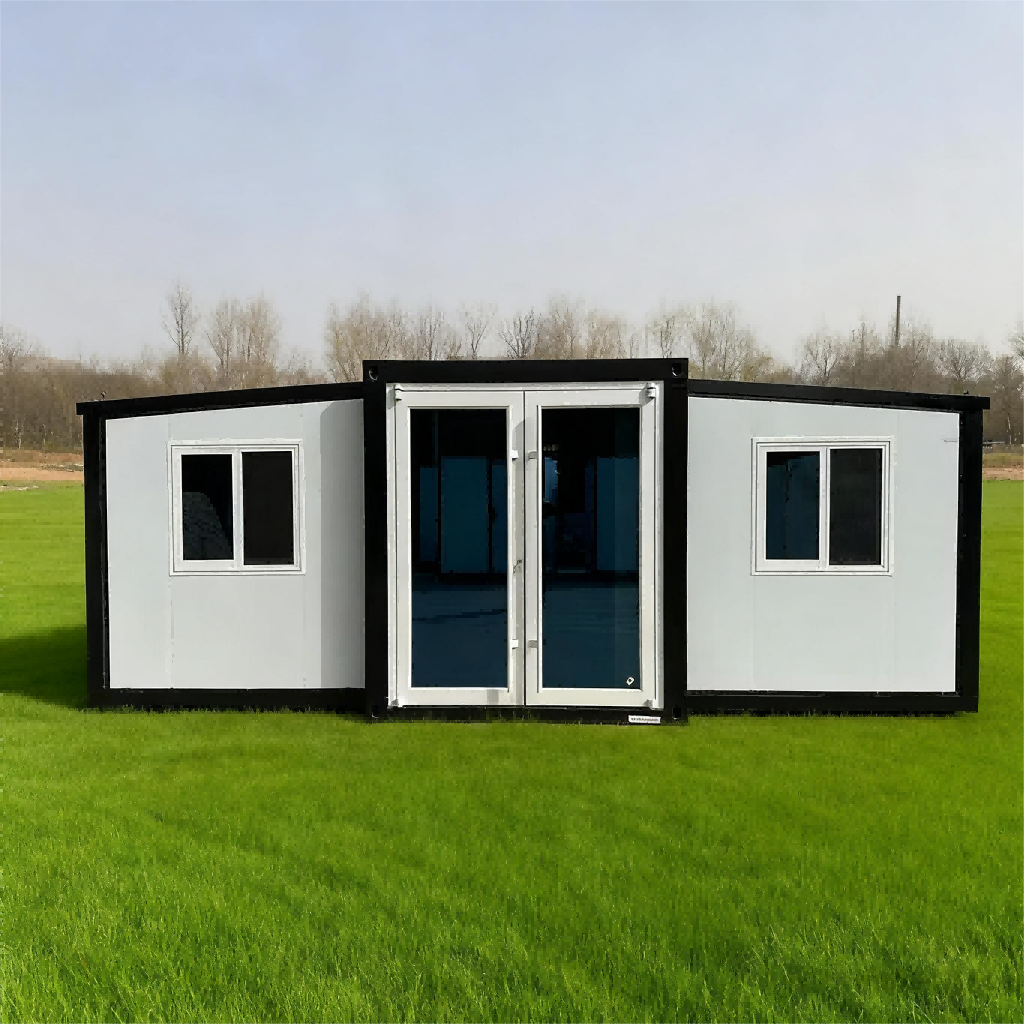
Meeting Evolving Family Needs with Expandable House Designs
Why families are increasingly choosing expandable house designs
Today's families are looking for homes that can keep up with all the surprises life throws their way. Expandable house designs let people make changes as needed, whether they need an extra bedroom when a baby arrives or want to set up a home office for working from home part time, without having to move somewhere entirely new. According to some research published last year, around three out of four parents really care about floor plans that grow along with their kids through different stages of childhood, because this helps cut down on the stress that comes with big family changes. These kinds of adaptable homes actually solve real problems many households face nowadays, such as when grandparents come to live nearby or someone suddenly becomes a full time caregiver. Traditional houses just don't offer this kind of flexibility.
Demographic shifts driving the need for flexible family housing
Family dynamics are changing fast these days, which means we need houses that can handle all sorts of living arrangements. Think stepfamilies, elderly relatives moving in, or grown kids coming back after college. The numbers tell us something interesting too. Cities are growing so much that around two thirds of families there need homes that either stretch upwards or outwards without taking over their entire property. And let's not forget about working from home. More than four out of ten households will probably need a proper office space somewhere in their house by next year. That's where flexible design comes into play. Smart builders are starting to incorporate sliding walls between rooms, attic spaces that double as guest bedrooms when needed, and foundations built with extra room for expansion down the road.
Data insight: Rise in expandable house adoption (2018–2023)
The numbers tell an interesting story: expandable house construction permits jumped by around 320% from 2018 to 2023. Coastal areas are seeing this trend even more clearly, where people are choosing these flexible homes over regular single family houses at a rate of about nine to one. Why? Well, there's something happening demographically too. Existing homeowners have had more kids lately, up about 22% since 2018 actually. And look at millennials - roughly a third of them want what they call "lifetime homes" when making housing decisions. Not surprisingly, modular construction methods now make up 17% of all home expansion projects across the United States. This points to real changes in how consumers think about their living spaces these days, moving away from fixed structures toward something that can grow with families over time.
Adaptable Living Spaces: Supporting Family Growth Over Time
Modular expansion features of the expandable house for growing children
Houses that expand solve space problems by using modular parts such as sliding walls and pre-made rooms. When kids grow up, parents often need to change big open spaces into actual bedrooms or quiet spots for studying. Some studies actually found that these modular homes can be rearranged 65 percent quicker than regular home renovations take. That's pretty impressive when we think about all the time and money saved. Staircases aren't just for climbing anymore either. Many designs now incorporate storage solutions right into them. And those little attic spaces? They start off as places where kids play but eventually become private hideouts for teenagers. All this happens without tearing down walls or making major construction changes throughout the house.
Case study: A family’s transition from a 2-bedroom to 4-bedroom expandable unit
The Thompson family slowly expanded their small 900 square foot modular home across four years by adding three different sections. First came the sunroom module in 2022 which they turned into a cozy nursery for their newborn. Then in 2024, they built out the western part of the house with two extra bedrooms plus a little wet bar area. The whole project cost them around $84,000 total, but this approach actually ended up saving them about $126,000 compared to buying a bigger conventional home from scratch. Plus, according to data from the National Association of Realtors in 2023, their property value jumped by 31% after these expansions were completed.
Future-proofing homes: Anticipating space needs with expandable architecture
Forward-thinking designs incorporate "expansion arteries"—pre-installed electrical/plumbing lines behind removable panels. These allow 85% faster room additions versus retrofitting conventional homes. Architects now design 25% of floor plans as flexible zones for future modules, ensuring homes adapt to college transitions, elder care needs, or home-based businesses.
Cost Efficiency: Long-Term Savings of Expandable House Ownership
Comparative Analysis: Expandable House vs. Traditional Home Renovation Costs
Homeowners who go for expandable house designs can cut their upfront building expenses by around 30 to 40 percent when compared with regular construction methods, based on some recent cost studies from 2023. Traditional home expansions tend to run anywhere between $180 and $250 per square foot, while modular additions usually come in at about $110 to maybe $160 per square foot. That's because these modular systems use standard parts and need fewer workers on site. The way these houses are built also means there's significantly less wasted materials lying around after the job is done. Most estimates put the reduction somewhere between half and three quarters of what gets thrown away in normal renovation work.
Avoiding Relocation Expenses Through Scalable Expandable House Models
According to a housing cost study released in 2023, families who choose homes with expandable layouts save around $47,500 on average when it comes time to move. These flexible spaces let people grow their homes bit by bit adding extra bedrooms or expanding living areas instead of packing up and starting over somewhere else. Traditional home buyers typically shell out between twelve thousand and twenty eight thousand dollars every time they have to relocate due to all those real estate agent commissions and actual moving costs. Looking at things over a fifteen year period, these adaptable living solutions actually help prevent about seven hundred forty thousand dollars worth of money lost because kids miss out on consistent schooling, jobs get interrupted, and families lose connections within their communities (Ponemon Institute, 2023).
Reducing Financial Strain by Eliminating Repeated Home Purchases
According to a recent study on housing over time from 2022, investing in an expandable home just once can cut total housing expenses by around 72% when compared to purchasing several regular houses throughout life. Homeowners end up saving over $310,000 because they don't have to deal with those second home down payments which typically cost about $58k each. Plus there are no extra mortgage fees that usually run between $5,000 to $12,000 for every new loan application. And let's not forget about those property taxes that jump an average of 19% after buying another place. The numbers back this up too research shows that roughly 8 out of 10 people who choose expandable homes manage to pay off their mortgages completely 9 to 12 years quicker than folks who stick with traditional housing options thanks to how flexible these designs actually are.
Sustainable Living: Environmental Benefits of Expandable Houses for Families
Eco-Friendly Materials Commonly Used in Expandable House Construction
Most expandable houses focus on being green by carefully choosing materials. According to recent data from GZUvo in 2024, around three out of four manufacturers actually repurpose steel from old shipping containers for the main frame of these homes. Inside, builders frequently use wood that's been salvaged from other projects for walls and ceilings, apply paints that don't release harmful chemicals into the air we breathe, and install bamboo floors since they grow back much faster than regular hardwood does. Looking at numbers from a sustainability study released last year, it turns out these kinds of houses create about 40 percent less construction waste than standard buildings do because everything gets made so precisely in factories first before assembly on site.
Reduced Carbon Footprint Through Minimal Demolition and Rebuilding
The modular nature of expandable houses eliminates the need for destructive renovations. Families can add bedrooms or living spaces using existing structural connections rather than demolishing walls or foundations. This approach preserves 92% of the original building materials during expansions, drastically reducing embodied carbon.
Trend: Green Certifications Gaining Traction in Expandable House Developments
Over 150 expandable house projects earned ENERGY STAR certification in 2023, reflecting growing industry commitment to sustainability. Leading manufacturers now pursue dual certifications for water efficiency (WELL Building Standard) and energy performance (LEED v4.1).
Energy Efficiency and Sustainable Design in Modern Expandable Homes
Expandable houses that are considered advanced manage to cut down on energy usage by around 30 percent compared to regular homes. They do this thanks to solar panels built right into the roof, windows with three layers of glass filled with argon gas for extra insulation, plus smart heating and cooling systems that work well even when parts of the house expand. According to some studies done recently, homeowners who live in these kinds of houses typically save about $1,200 each year on their electricity bills without sacrificing warmth or coolness throughout different areas of the home. The savings come from all those efficient technologies working together to keep things comfortable while using less power overall.
FAQ
What are expandable house designs?
Expandable house designs are homes that are built to be flexible, allowing for future expansions as the needs of a family change. They can include modular parts like sliding walls or additional rooms that can be added or rearranged easily without major renovations.
Why are expandable homes beneficial for families?
Expandable homes benefit families by reducing the stress and cost associated with moving when more space is required. They allow for easy adaptation to changes such as new children, family members moving in, or the need for home office space.
How do expandable houses contribute to sustainability?
Expandable houses contribute to sustainability by using eco-friendly materials and minimizing construction waste. Their modular design decreases the need for demolition, reducing the carbon footprint as expansions preserve most of the original structure.
Are expandable homes cost-effective?
Yes, expandable homes are cost-effective. They typically cost less initially and offer long-term savings by avoiding repeated home purchases and by using standard modular parts that decrease waste and labor costs.