
 EN
EN
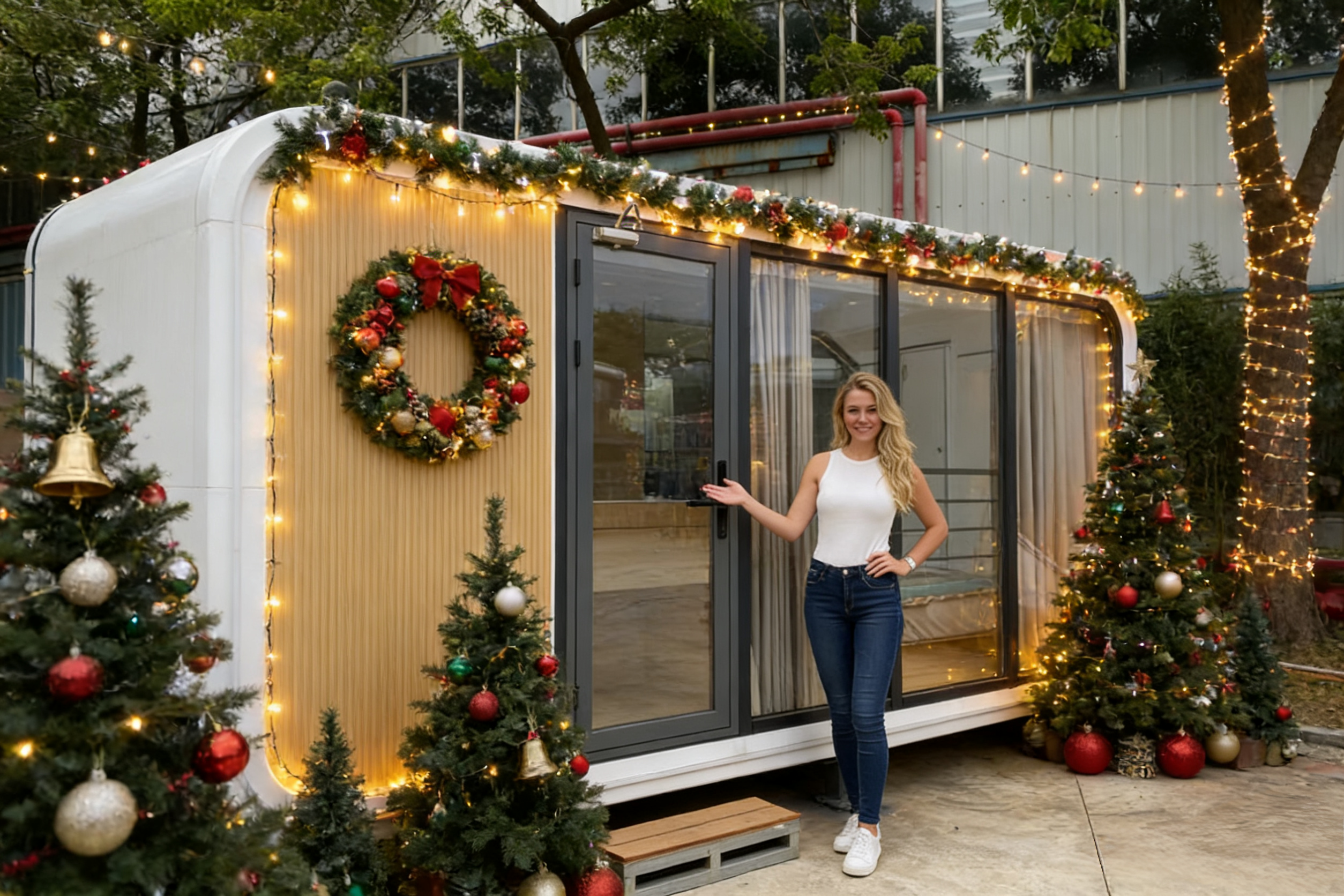
What Is an Apple Cabin? Defining the Concept and Core Philosophy
The Apple Cabin concept represents a new kind of living space that's both compact and environmentally friendly. These structures take inspiration from minimalism and smart engineering, focusing on creating homes where every inch counts. Most designs stay well below 400 square feet but still manage to feel spacious thanks to clever layout choices. What sets them apart from regular houses? They're built using green materials such as cross laminated wood and come equipped with solar panels and other renewable energy solutions. The way they're put together cuts down on construction waste by around 30%, which makes sense when thinking about scaling up production for different needs. At heart, the idea combines simple design with practical features that turn small spaces into flexible living areas. Think about how built in storage units work alongside multi purpose rooms. This whole approach changes what we think about cost effective green building, showing that it's possible to have stylish modern homes without compromising on either sustainability or actual comfort levels inside.
Apple Cabin Design Principles: Minimalism, Precision, and Human-Centered Space Planning
Minimalist aesthetics rooted in Apple’s design language
Apple Cabins really capture that minimalist vibe with their clean lines and clutter-free spaces that just make sense. The neutral colors and practical furniture choices create a peaceful atmosphere while making small spaces feel bigger than they actually are. Big windows positioned just right blur the line between inside and outside, letting tons of natural light pour in and creating this open feeling even when the cabin is under 400 square feet. What makes these cabins special isn't just how they look either. The layout is super organized and easy to navigate, which takes mental stress off occupants and creates comfort without them even realizing it. These thoughtful designs actually improve people's overall experience living in compact spaces.
Precision detailing and seamless material integration for spatial harmony
Apple Cabin builds rely heavily on precision engineering, with gaps smaller than 2mm making sure different materials fit together nicely. We work with sustainably harvested woods, recycled aluminum, and other eco-friendly stuff that has minimal carbon footprint from production. The way things are put together matters too. Hidden fasteners and special custom woodworking let us create storage solutions and functional features that blend right into the overall design. Think about fold down workstations or drawers built into stairs these aren't just added on they become part of the space itself. Even though we maximize vertical space, people still have plenty of headroom to move around comfortably. When furniture isn't being used actively, it doesn't block views or disrupt the open feel of the room. What we end up with is a living space where form meets function beautifully, and practically every corner serves a purpose while looking great at the same time.
Sustainability and Affordability in Apple Cabin Construction
Net-zero-ready prefab systems and eco-conscious material selection
Sustainability starts at the blueprint stage for Apple Cabins. Building these structures off site means there's about 30% less waste left behind at construction sites compared to traditional methods. The cabins use standard parts made from recycled materials like galvanized steel frames and aluminum panels that last longer, can be recycled again, and have minimal environmental impact right from manufacturing. They come ready for solar panels, collect rainwater efficiently, and feature top notch insulation installed precisely in the factory. All this adds up to cutting down on heating and cooling costs by around half. What's really impressive is how they achieve net zero potential without compromising anything else. These buildings are built to stand strong for six decades, plus occupants breathe easier thanks to paints and finishes with very low volatile organic compounds and plenty of fresh air flowing through naturally.
Cost-effective scalability through modular, kit-based assembly
The modular approach really helps cut costs while giving people more options for how they want things set up. When builders use standard kits instead of custom parts, they save around 40% on labor because everything just snaps together onsite without needing special engineers. The same basic framework works whether someone wants a tiny 13 foot studio space or goes all out with something like a 40 footer. That means property owners can start small and grow over time as their needs change. Plus these units are made with materials that aren't too heavy but still hold up pretty well, so moving them around doesn't require huge machines. And when manufacturers produce lots at once, prices drop even further. What we see here is actually pretty cool: good quality housing solutions for smaller spaces become available not because there's something missing, but because it was designed this way from the beginning with scalability in mind.
Living Well in Under 400 Sq Ft: Comfort Through Intelligent Space Optimization
Multifunctional zones that adapt to daily rhythms
Apple Cabins really embrace flexibility. Think about it: one space can be a work station in the morning, turn into a dining spot at lunchtime, become a living room in the evening, and then transform into a bedroom when it's time to sleep—all happening in just 24 hours. These spaces come equipped with fold down beds, tables that change function depending on need, and lighting systems that follow our body clock patterns. Studies indicate these kinds of changing layouts make people feel like there's about 40% more space compared to fixed room setups, which means greater comfort even though the actual floor area stays exactly the same. What makes these cabins special is they don't force anyone into a particular schedule. Instead, they adjust themselves according to what residents actually need throughout their day.
Smart storage and built-in furniture engineered for small-space ergonomics
Each component has two functions but still works great for everyday use. The stairs hide storage drawers inside them. Some seats actually open up to reveal a cool pantry area where food stays fresh. Wall beds can be folded away when not needed, and desks adjust their height so everyone from kids to adults can use them comfortably. Rounded corners make things safer, especially for little ones. Those easy pull-out parts don't require much effort at all. Vertical storage options take advantage of wasted space above eye level. People report needing to move around 30 percent less compared to regular furniture setups, and most folks say they see about a 70% reduction in clutter after installation. At Apple Cabins, smart storage isn't just something extra thrown in it forms the basis of how comfortable these spaces feel day to day.
FAQ Section
What is an Apple Cabin?
An Apple Cabin is a compact living space designed with minimalism and environmentally friendly principles. It's characterized by clever layout choices, green materials, and renewable energy solutions.
How are Apple Cabins built sustainably?
Apple Cabins are built using eco-friendly materials such as cross-laminated wood and recycled components, with designs reducing construction waste by around 30%.
Can Apple Cabins be customized?
Yes, Apple Cabins offer modular, kit-based assembly options that allow flexibility in design and scalability according to individual needs.
What size are Apple Cabins typically?
Apple Cabins usually stay well below 400 square feet but are designed to feel spacious thanks to thoughtful design and multifunctional zones.
Table of Contents
- What Is an Apple Cabin? Defining the Concept and Core Philosophy
- Apple Cabin Design Principles: Minimalism, Precision, and Human-Centered Space Planning
- Sustainability and Affordability in Apple Cabin Construction
- Living Well in Under 400 Sq Ft: Comfort Through Intelligent Space Optimization
- FAQ Section