 EN
EN
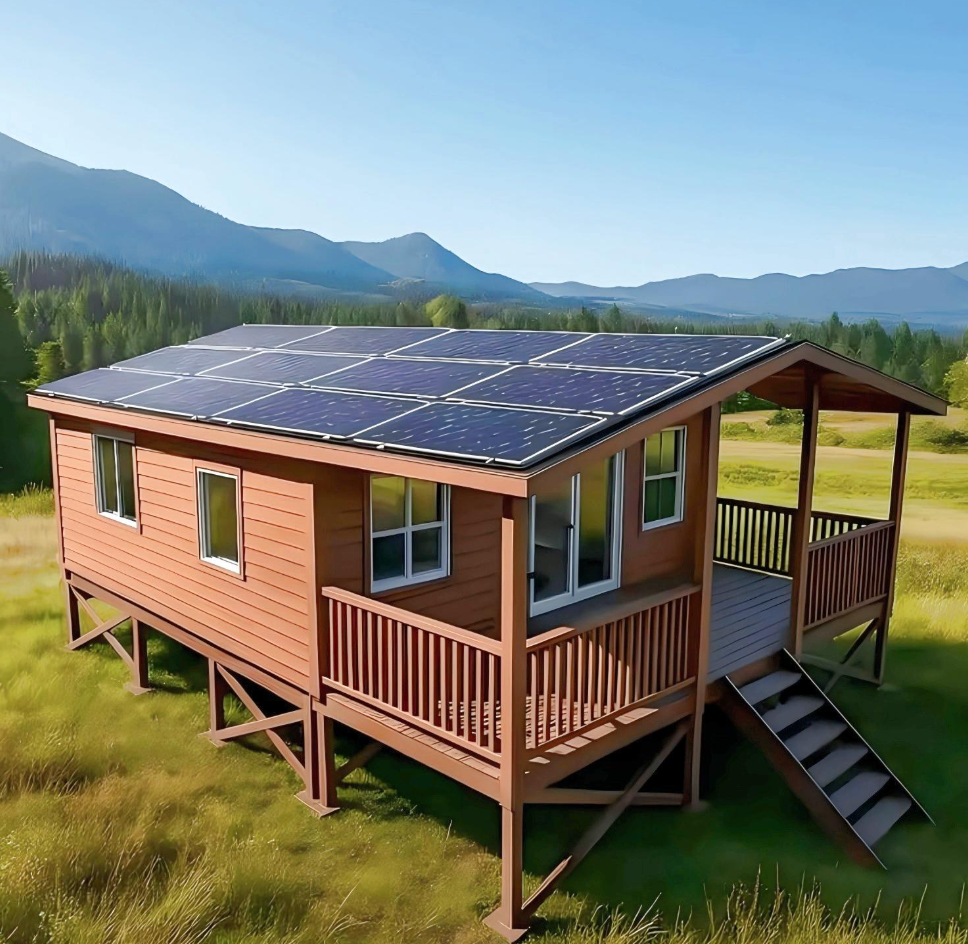
Upfront Cost Advantages of Prefabricated Homes
Factory Efficiency, Material Optimisation, and Reduced On-Site Labor
Building prefabs takes advantage of controlled factory settings where bad weather doesn't hold things up and work flows much smoother. The automated cutting tech cuts down on wasted materials something like 30 percent when compared to regular construction sites. At the same time, getting ready for installation happens alongside manufacturing, which really speeds things along. Because everything fits together so precisely, there's actually less need for highly skilled workers maybe around a quarter to almost half fewer people needed. That means lower costs overall without making homes structurally weaker. Regular inspections throughout the manufacturing process catch problems early before they turn into expensive fixes later. These small savings add up over time as each component moves through the production line.
Quantified Savings: NAHB and U.S. Census Data on Prefabricated Home Build Costs
The numbers back it up time and again when it comes to cost savings. According to reports from the U.S. Census Bureau, prefabricated homes typically cost between 10 to 20 percent less to build compared to their site-built counterparts. Recent analysis by NAHB in 2023 points fingers at why this happens too fast completion times about 15 percent quicker overall and labor hours dropping by around 22 percent. Take a standard 2,000 square foot home for example these efficiency gains can mean anywhere from thirty five thousand to seventy thousand dollars saved right off the bat, not counting all those extra perks such as lower interest payments while construction wraps up faster. Traditional builders often face unexpected weather delays costing them roughly seven grand on average per project but with indoor manufacturing methods, most of those headaches simply disappear.
Durability Assurance in Modern Prefabricated Home Construction
Factory Quality Control, ASTM/IRC Compliance, and Third-Party Structural Testing
When building happens in controlled factory environments, the quality control is just better than what we see on traditional job sites. Every single part gets checked against strict standards before leaving the plant, so there's no messing around with bad weather affecting materials or inconsistent craftsmanship from day to day workers. The houses built this way stick to ASTM and IRC guidelines for materials and how much weight different parts need to hold up. Engineering companies actually test these structures independently too, running simulations where they blast them with winds reaching 130 miles per hour and shake them like earthquakes do. These tests prove the homes can survive disasters without falling apart. According to National Association of Home Builders reports, such homes end up having almost 80 percent fewer problems compared to regular construction methods. Plus, because everything fits together so precisely in factories, builders can easily include stuff like special waterproof boards and strong connectors that stop hurricanes from tearing things apart. All this means homeowners spend way less time fixing their houses in those first ten years after moving in.
The Lifecycle Value Proposition of Prefabricated Homes
Lower Maintenance, Higher Resale Premiums, and Energy Performance Trends
When manufacturing happens in controlled factory conditions, there's simply less chance for structural problems to develop, which means fewer repairs down the road. Add good insulation systems to the mix and we're talking about energy savings of around 20 to 30 percent when compared with houses built on site. This translates to real money saved on utilities throughout the life of the home. The secondhand market is starting to take notice too. Homes that have Energy Star certification tend to sell for about 5 to 8 percent more according to recent data from the US Department of Energy in their 2023 housing report. Looking at the bigger picture, there are actually three main elements working together to boost the overall value over time, making these homes not just better built but also smarter investments for homeowners concerned about both cost and quality.
- Reduced upkeep costs from weather-tight assemblies and standardized components
- Appreciation advantages linked to certified energy performance metrics
- Resource efficiency through material optimization during factory production
The convergence of durability and operational savings creates a compelling value trajectory for commercial developers and residential builders alike.
Why Precision Manufacturing Uniquely Strengthens Both Cost and Durability Outcomes
Prefabricated homes benefit greatly from precision manufacturing techniques that cut costs while making structures much stronger. When everything is made in a factory setting, there's far less wasted materials because components fit together so precisely. We're talking about savings around 15 to maybe even 20 percent on raw materials compared to regular stick-built houses. At the same time, these super accurate fittings combined with computer controlled assembly result in buildings that literally don't leak air. The walls and roofs form tight seals against all kinds of weather extremes. Third party tests show this cuts down on repairs needed later on by about 30 percent. Over time, these efficiencies add up to something pretty impressive financially too. Most studies indicate homeowners save over fifty grand per house throughout a quarter century lifespan. That's why more builders are turning to precision fabrication methods when they want to offer good value without compromising quality in their modular housing options.
FAQ
-
What are the cost savings of prefabricated homes compared to traditional homes?
Prefabricated homes typically cost between 10 to 20 percent less compared to site-built homes due to efficient factory processes, reduced labor needs, and decreased weather-related delays. -
How do prefabricated homes ensure durability?
These homes undergo rigorous quality checks in controlled environments and adhere to ASTM and IRC standards. They also survive stringent structural testing to withstand severe weather conditions. -
Do prefabricated homes offer energy savings?
Yes, prefabricated homes with good insulation can offer energy savings of 20 to 30 percent by maintaining better temperature control compared to traditional homes. -
What is the resale value of a prefabricated home?
Homes with Energy Star certification can sell for about 5 to 8 percent more, reflecting their efficient energy performance and lower maintenance needs over time.