 EN
EN
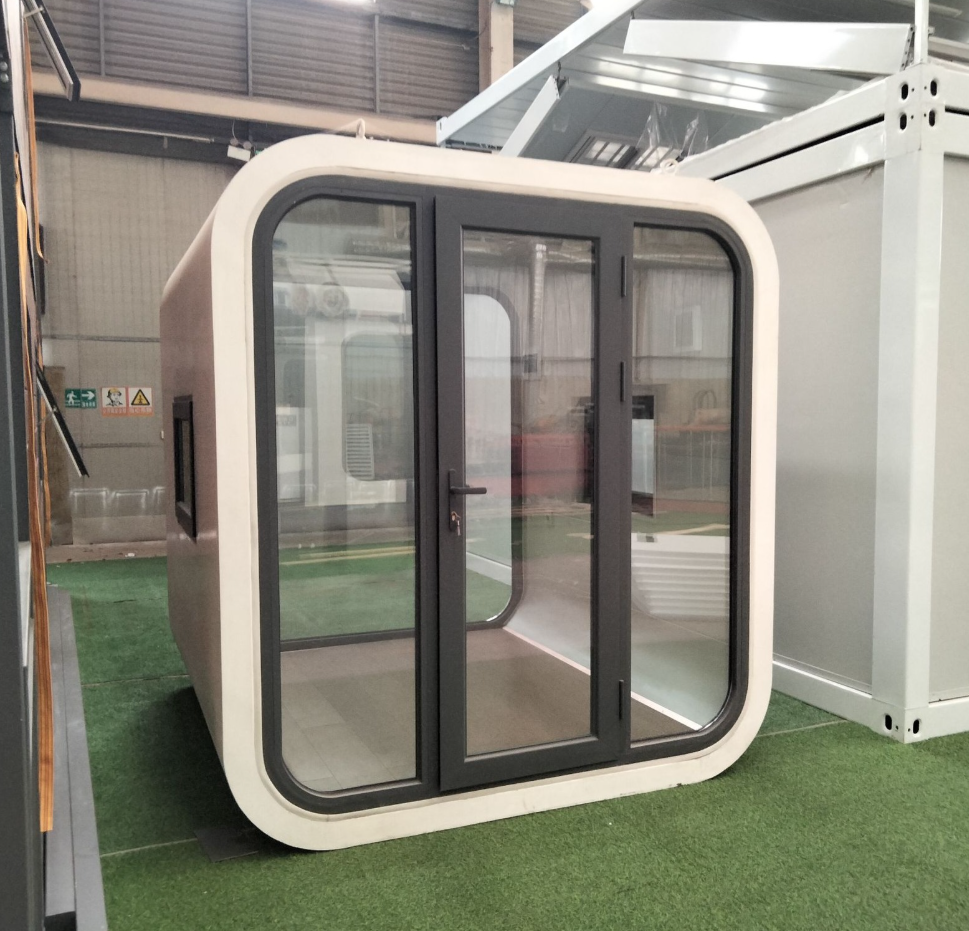
What Defines the Apple Cabin? Core Design Philosophy and Market Positioning
Origins and Evolution: From Boutique Concept to Scalable B2B Housing Solution
The Apple Cabin made its debut back in 2015, basically taking inspiration from European modular designs but making them their own thing. What started out as a fancy glamping experiment with that clean, tech-forward look quickly caught on for reasons beyond just eco tourism. People from all sorts of industries got interested when they saw how versatile these structures could be. With growing popularity among home builders, hotel chains, and even folks needing temporary offices in remote areas, the design team had to rethink things. They focused more on making sure the cabins could handle real world wear and tear while still going up fast wherever needed. These days, many developers rely on Apple Cabins for creating communities that can withstand climate changes, setting up work spaces without grid connections, and developing those green mixed use projects everyone's talking about lately.
Aesthetic Pillars: Curved Timber, Glass Integration, and Material Honesty as Brand Signifiers
Three interlocking principles define Apple Cabin’s visual and experiential identity:
- Organic Geometry: Sweeping timber arcs minimize structural joints, reduce material waste, and create fluid, human-scaled interiors—echoing the biomimetic logic found in Passive House and Cradle to Cradle design frameworks.
- Transparency Ecosystems: Floor-to-ceiling, thermally broken glass panels dissolve boundaries between interior and landscape, increasing daylight penetration by 40% over conventional builds while supporting circadian health and spatial perception.
- Ethical Materialism: Exposed FSC-certified mass timber, recycled aluminum framing, and low-VOC bio-based composites make sustainability legible—not just measurable—turning environmental responsibility into an aesthetic signature.
This trinity transforms compactness from constraint into intention, affirming that beauty, performance, and ethics are inseparable in next-generation architecture.
Apple Cabin Functional Realities: Adaptability, Accessibility, and Year-Round Usability
Modular Layouts and Climate-Responsive Systems for Multi-Season Living
Apple Cabins are built for all seasons thanks to their smart, integrated systems rather than just tacked-on features. The modular floor plans let people move walls around and change spaces as needed, like turning a sleeping loft into a workspace when required. No need for major renovations either. When it comes to climate control, these cabins really shine. They have triple glazed windows that keep heat out in summer and in during winter months. The insulation is pretty impressive too, with R-38+ rating using dense wood fiber material. Plus there's this cool roof membrane that reflects sunlight. All these elements work together with how the cabin faces the sun to keep indoor temps stable throughout the year. For fresh air, they install something called ERVs which do a great job keeping the atmosphere clean inside while still holding onto most of the warmth or coolness already present. According to tests done by NREL, this setup can cut down on heating and cooling costs by about 40% compared to standard building codes.
Universal Design Within Compact Footprints: Navigating Constraints Without Compromise
Apple Cabins come with accessibility built right in from day one instead of adding it later as an afterthought. We've got those zero threshold entries so nobody has to deal with steps, plus doorways that are 36 inches wide which makes getting around much easier. Pocket doors solve the problem of where they swing open, meeting both ADA requirements and European standard EN 17210 too. For storage, there are these vertical towers with pull down parts that make reaching stuff simple whether someone is sitting or standing. Countertops can be adjusted up or down depending on what needs doing, going from regular kitchen work to something more accessible when needed. Glass panels with a frosted look help separate different areas without creating actual walls or blocking views. What we end up with is a small home that somehow manages to feel really big inside, welcoming everyone regardless of their abilities, and adapting easily to whatever life throws at it. This just shows how good design doesn't limit creativity but actually enhances it.
How Apple Cabins Optimize Space and Light—Without Sacrificing Beauty or Efficiency
Strategic Daylighting: Skylights, Orientation, and Glazing for Ambiance and Passive Energy Savings
Natural light isn't just something nice to have it's actually part of the building infrastructure now. Apple Cabins really think about how they incorporate daylight through their design. They've got these triple aspect windows facing different directions south for catching sunlight naturally, north for steady indirect light, and those high side windows that can open for air circulation. The glass itself is special low e coating filled with argon gas which lets most of the visible light come through but blocks almost all the harmful UV rays and keeps excess heat from getting inside. When combined with careful planning about where exactly to place these cabins based on sun paths throughout the year, this approach cuts down on needing artificial lights during the day by around four fifths. Plus it helps regulate body rhythms better and makes small spaces feel bigger than they actually are, which matters a lot for people living or working in tight quarters.
Smart Space Solutions: Vertical Storage, Transformative Furnishings, and Zoned Micro-Functionality
Getting more done isn't about cramming everything into tight spaces but thinking vertically instead. Tall storage units with drop down shelves, secret cabinets behind panels, and storage areas beneath floors can actually give homeowners about 40% more space compared to regular setups. Furniture that does double duty works wonders too. Think sofas that turn into beds with charging outlets built right in, desks that fold away when not needed complete with their own lights, and tables for dinner that disappear when guests leave. The way we define different areas comes down to small details really. A slight change in floor height here, switching materials there like going from cozy wood to cool concrete, plus careful sound management lets rooms flow together without losing their identity. All these tricks keep the clean look the company is known for but still handle all the messy stuff of daily living.
The Business Case: Why Architects and Developers Choose Apple Cabins for Sustainable B2B Projects
Many architects and developers are turning to Apple Cabins for their commercial projects since these modules actually make financial sense when looking at costs, meeting regulations, and offering design flexibility all at once. These prefabricated units built in factories save about 30 to maybe even 50 percent of on-site labor time and can knock as much as 60% off overall project timelines. That kind of speed matters a lot in industries where timing is everything, such as hotels needing quick openings or temporary retail spaces during events. The buildings come equipped with solar ready roofs and energy recovery ventilation systems that cut down running costs around 40%. Plus, having standard sizes makes it easy to expand campuses whether building remote work communities or student accommodation blocks. What really stands out though is how green these structures are. They use aluminum frames that can be recycled later, wood parts cut precisely to minimize waste, and manufacturing processes that generate almost no scrap material compared to traditional construction methods. This helps projects qualify for LEED certifications and satisfies those tricky ESG reports companies need to file nowadays. For businesses thinking ahead, Apple Cabins aren't merely another building option but something much bigger: a reliable system that supports sustainable growth without sacrificing quality or adaptability.
FAQ
What inspired the design of the Apple Cabin?
The Apple Cabin design was inspired by European modular designs, aimed at creating versatile, eco-friendly structures suited for numerous industries.
How do Apple Cabins ensure sustainability in their design?
Apple Cabins employ ethical materialism, using FSC-certified mass timber, recycled aluminum, and low-VOC composites, making sustainability a core aesthetic element.
Can Apple Cabins be used in all seasons?
Yes, they are equipped with climate-responsive systems, triple glazed windows, and effective insulation to ensure usability in all weather conditions.
Are Apple Cabins accessible for individuals with disabilities?
Yes, they are designed with accessibility in mind, featuring zero threshold entries, wide doorways, and adjustable countertops among other features.
Table of Contents
- What Defines the Apple Cabin? Core Design Philosophy and Market Positioning
- Apple Cabin Functional Realities: Adaptability, Accessibility, and Year-Round Usability
- How Apple Cabins Optimize Space and Light—Without Sacrificing Beauty or Efficiency
- The Business Case: Why Architects and Developers Choose Apple Cabins for Sustainable B2B Projects
- FAQ