 EN
EN
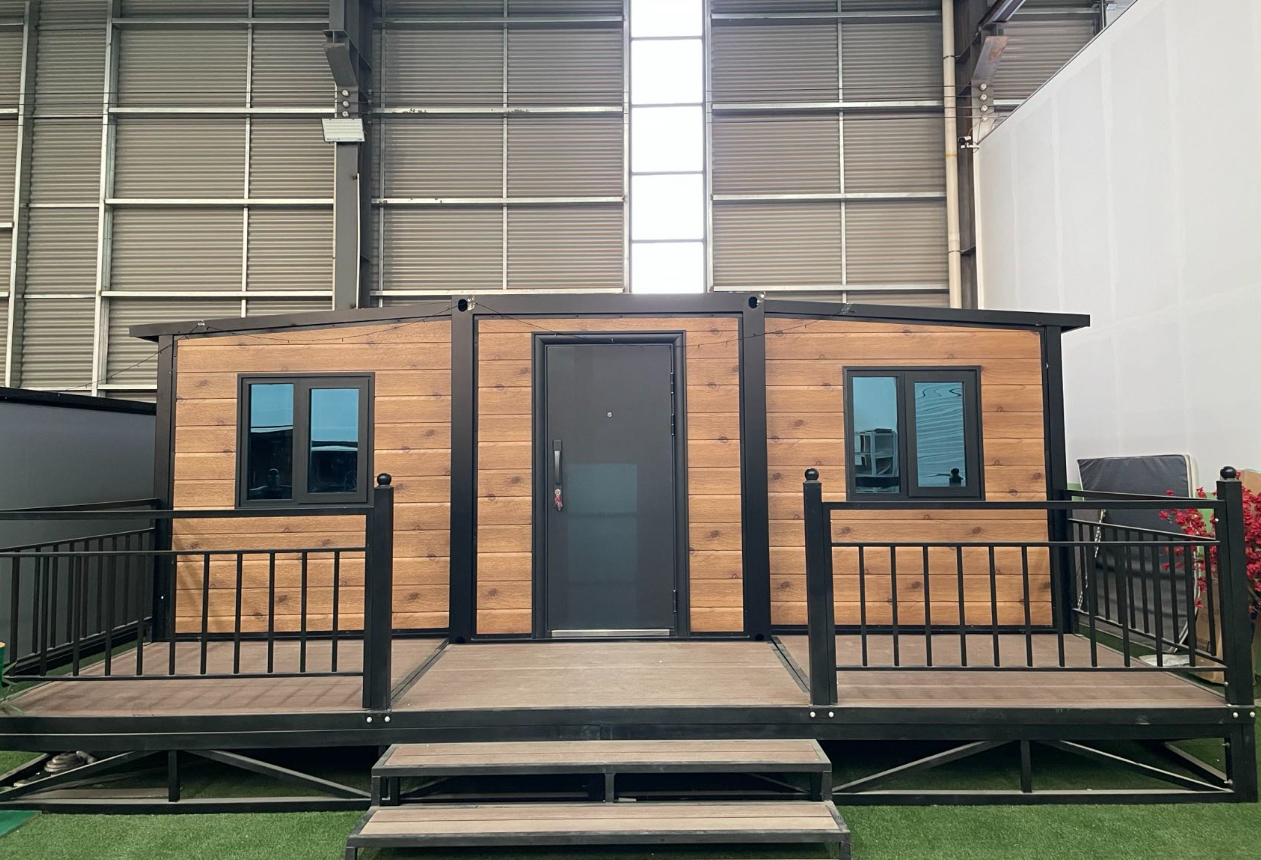
Core Advantages of Expandable Container House: Flexibility, Speed, and Scalability
Modular Expansion Mechanism: How Hydraulic or Telescopic Systems Enable 40–70% On-Site Space Growth
Containers equipped with hydraulic or telescopic systems can turn fixed storage units into flexible workspaces when walls and roofs unfold right at the site. These expansions typically boost available floor space anywhere from 40% to as much as 70%, all without needing any kind of permanent foundation work. Take a standard 20 square meter container for instance it can actually expand to around 34 square meters within just four hours flat. The retractable partitions help cut down on wasted space between areas, and those weatherproof joints with thermal insulation keep the energy efficiency intact even when expanded. Special locking systems hold everything together securely both during setup and once deployed, which makes these containers really versatile for different situations. They work great for expanding workshop space temporarily or setting up quick retail spots whenever needed.
Deployment Speed vs. Traditional Construction: From Site Arrival to Occupancy in Under 72 Hours
While traditional construction takes 3–6 months for comparable structures, expandable container houses achieve full operational readiness in under 72 hours. This acceleration stems from four integrated efficiencies:
- Pre-installed mechanical, electrical, and plumbing (MEP) systems requiring only utility hookups
- Unified structural components that eliminate on-site welding or framing
- Concurrent foundation preparation and unit transport logistics
- Minimal labor requirements—typically a 3-person team versus 15+ for conventional builds
Field deployments confirm completion in 68% less time than traditional alternatives, enabling rapid response in humanitarian emergencies or sudden commercial demand. The plug-and-play design also avoids crane rentals, further reducing equipment costs and site complexity.
Expandable Container House Across Critical Global Use Cases
Humanitarian Response: UNHCR & Red Cross Rapid-Deploy Shelters in Kenya, Ukraine, and Bangladesh
These expandable container homes have become essential after disasters strike, often going from packed boxes to fully working shelters in just over three days. They're especially useful in places prone to flooding, areas affected by war, or hard-to-reach locations where regular building isn't possible. The secret lies in their hydraulic system that lets small transport containers transform into sturdy living spaces that can withstand harsh weather. We've seen them work wonders in refugee camps throughout Bangladesh and at emergency sites all over Ukraine. Even when temperatures swing wildly or conditions get really rough, these containers keep people warm or cool as needed while standing up to whatever nature throws at them. And importantly, they meet those basic requirements set out by the UNHCR for what makes an emergency shelter safe and livable.
Residential & Hospitality: Temporary Housing, Guest Houses, and Eco-Lodges with Zero Permanent Footprint
Container houses are becoming popular among hotels and homes needing temporary stays that leave minimal marks on nature. Many eco-lodges now feature solar panels on their roofs and collect rainwater through built-in systems, making them work well even when far from power grids in delicate ecosystems. The modular design means these structures can be rearranged seasonally for places like upscale safari camps along Africa's savannahs or beachside vacation rentals by the sea. When companies need housing for workers in isolated locations, these containers don't require traditional concrete bases and can be taken down neatly after use, so the land remains undisturbed and there's no lasting environmental damage. Inside, people find climate control similar to regular hotels, good noise reduction between rooms, and interior finishes comparable to what one would expect in quality accommodations all while still meeting green building standards.
Site Adaptation and Regulatory Compliance Through Modular Configuration
Terrain-Responsive Layouts: Stacked, Offset, and U-Shaped Expandable Container House Arrangements
The modular approach makes expandable container homes adaptable to all sorts of landscapes without needing extensive digging or grading work. When space is tight in cities, stacking units vertically gets maximum use out of limited ground area. For those tricky slopes or bumpy ground, shifting the containers slightly helps maintain stability. And there's something special about arranging them in a U-shape that creates protected inner spaces, which really shines in places where dust storms roll in regularly or winds just won't quit. The good news? These factory made modules come with ISO 9001 certification and meet IBC standards, so builders know what they're getting when it comes to quality control and safety factors. Standard parts also make the whole permitting process smoother across different regions, cutting down on wait times and saving money that would otherwise go toward custom engineering solutions for each unique site. With these two benefits working together - adapting to whatever land conditions exist plus predictable regulations - developers can confidently put up these structures anywhere from low-lying coastal areas prone to flooding right through earthquake risk zones.
Sustainability and Lifecycle Value of Expandable Container House
Container houses built from old shipping containers offer real benefits for both the environment and wallet throughout their entire life. When companies take those extra steel boxes sitting around ports and warehouses and turn them into buildings, it keeps something like 1.5 million tons of scrap out of landfills every year. The factories that make these structures also tend to be much greener than traditional building methods, cutting down on carbon emissions by about a third to two fifths. Looking at the numbers, most industry reports point to lifetime costs being roughly 25 to 30 percent cheaper too. Why? Because these things go up so fast (think weeks rather than months), require fewer workers and machines during construction, and don't need constant fixing later on. If maintained properly, these modular homes can last well past three decades. And when their time is up, almost everything inside them can be taken apart again. Steel frames, insulation layers, even window glass gets recycled or reused somewhere else. All these factors together make container housing a pretty smart choice for sustainable development worldwide.
FAQ
What is an expandable container house?
An expandable container house is a portable building that can expand to provide additional living or workspace without the need for permanent foundation work.
How quickly can an expandable container house be set up?
These container homes can be set up and fully operational in under 72 hours, significantly quicker than traditional construction methods.
What are the environmental benefits of using expandable container homes?
Expandable container homes repurpose old shipping containers, reducing waste and often feature eco-friendly systems like solar panels and rainwater collection.