 EN
EN
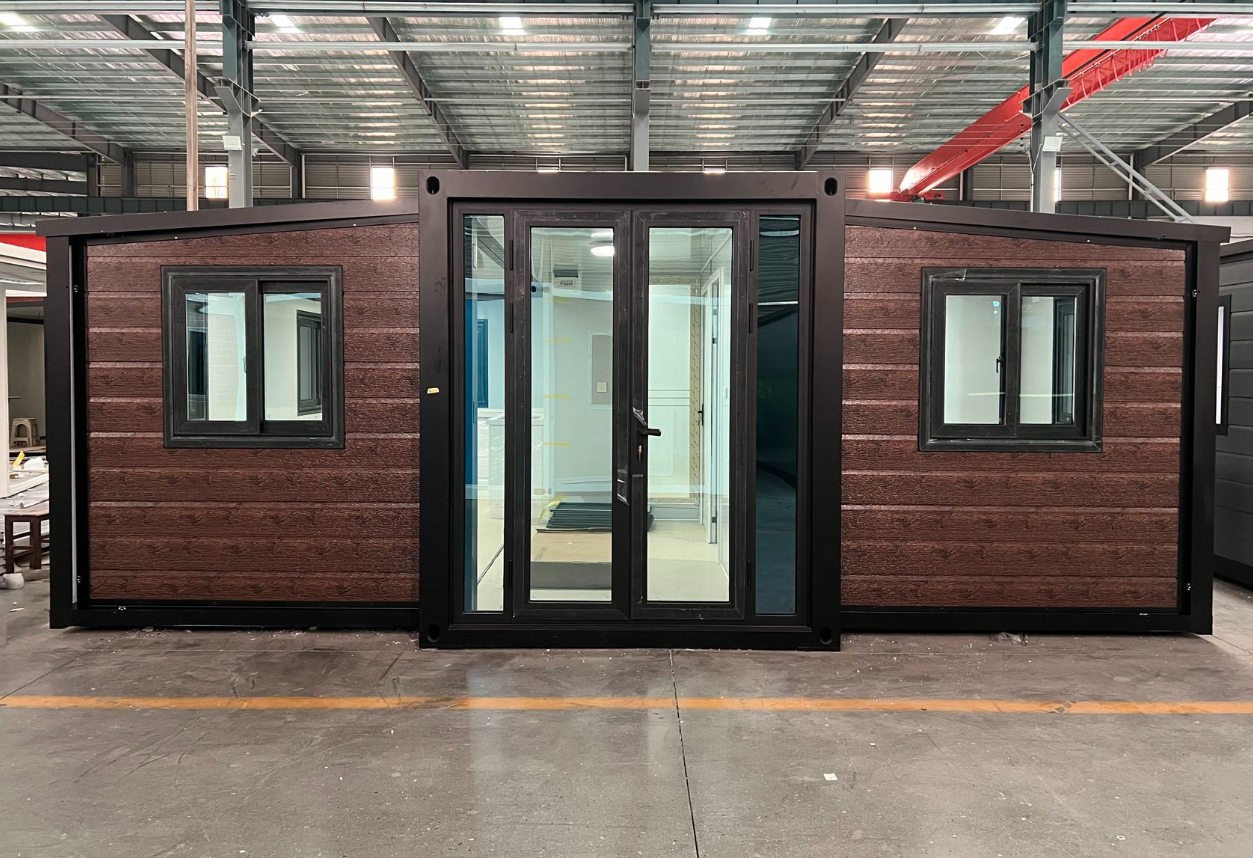
Affordability: How Prefabricated Houses Lower the Entry Barrier to Homeownership
Breaking the Rent Trap: Faster Equity Build with Lower Upfront Costs
Building homes in factories instead of on site can save people around 10 to maybe even 25 percent on initial costs. Why? Because manufacturers buy materials in bulk, waste less labor time, and avoid all that expensive on site fixing and redoing work. For folks buying their first house, this makes a real difference. They can finally get out of what many call the "rent trap" situation where month after month goes by paying someone else's mortgage while property values keep climbing. Plus, prefabs usually require smaller deposits and take way less time to complete too about 8 to 12 weeks instead of waiting half a year or longer for traditional builds. That means homeowners start accumulating equity much sooner through their monthly payments rather than just feeding into landlord pockets. The shorter loans associated with prefab homes mean less money spent on interest over time as well. Real estate experts have found that all these factors combined help new owners build up home value faster than average, somewhere between 18 and 34 percent extra equity within just five years of ownership.
Cost Comparison: Prefabricated House vs. Traditional Build Under $350K
Homebuyers who find themselves with around $350k to spend often discover that prefab homes give them either more living space, better quality finishes inside, sometimes even both without going over their budget. The reason? Prefab builders work with standardized methods, cut down on wasted materials, and can assemble components indoors regardless of what Mother Nature throws at them. Traditional stick-built houses tend to run about 23% over initial estimates according to industry data. Let's take a look at how the numbers stack up for someone building a modest 1,500 square foot starter home these days.
| Cost Category | Prefabricated House | Traditional Build |
|---|---|---|
| Construction | $220,000 | $265,000 |
| Site Preparation | $35,000 | $35,000 |
| Permit/Design Fees | $15,000 | $22,000 |
| Total | $270,000 | $322,000 |
The $52,000 difference provides meaningful flexibility—including upgrading insulation, adding solar readiness, or expanding outdoor living space—all while maintaining budget certainty.
Speed & Certainty: From Decision to Move-In in Under 90 Days
Streamlined Process: Permitting, Factory Build, and Site Assembly in Sequence
With prefabricated housing, builders can actually shorten construction schedules because different parts happen at the same time. While crews are getting the land ready and pouring foundations on site, the actual house modules get built inside controlled factory environments. This setup avoids those frustrating weather delays that hold back around 28% of regular building projects according to Modular Building Institute stats from last year. The whole process typically shaves off about two thirds of the usual construction period. When everything comes out of the factory, it already meets all the necessary codes so there's less need for inspectors to come back later. Getting things assembled on site goes much faster too since these are basically finished pieces being put together. Framing work that normally takes weeks can be done within just a few days instead. By carefully coordinating permits, connecting utilities, and matching foundation work with what's happening in the factory, most homes end up ready for someone to move into them well before the three month mark passes.
Real-World Example: First-Time Buyer Closes on a Prefabricated House at Age 26
At 26, Maya Rodriguez managed to get her hands on a house thanks to a prefab building method that cut down on delays. She picked out her floor plan back in January, and while February brought freezing weather that kept traditional builders stuck outside, her house parts were actually being put together inside a factory. Come March, everything was set for laying down the foundation and hooking up power and water lines. Then came the big moment when they brought in the crane to drop those pre-made sections onto the site within just three days flat. The whole thing passed inspection by mid-April, which is about five months faster than what most people expect these days. For $287k, she started building equity right away without wasting years paying rent like so many others do. According to the National Association of Realtors from 2023, most first time buyers don't even think about buying property until they're around 34. Maya's story shows how fast track construction can help young professionals turn their paycheck savings into actual keys to a front door before life gets too complicated or housing prices jump again.
Sustainability Built In: Eco-Conscious Design Meets Gen Z and Millennial Values
30–50% Lower Embodied Carbon: Why Prefabricated Houses Deliver Real Climate Impact
Prefab homes offer real environmental advantages that resonate strongly with younger generations, especially Gen Z and Millennials who care about sustainability when making big purchases. About 75 percent of these buyers put eco-friendliness at the top of their list according to McKinsey & Company research from last year. Building in controlled factories cuts down on wasted materials by around 30 percent. Factories also make it easier to plan transport routes efficiently and incorporate green materials such as mass timber and recycled steel throughout construction. All these improvements together can slash carbon emissions by anywhere between 30 to 50 percent compared to traditional on-site building methods. Factory settings allow for regular use of environmentally certified products, smooth installation of solar ready wiring, and much less disruption to surrounding areas during construction. For those concerned about climate change, sustainability isn't just something tacked on later. It becomes part of the design from day one, turning good intentions about going green into actual reductions in environmental footprint.
Future-Ready Living: Smart Home Integration as Standard in Prefabricated Houses
These days smart home tech isn't just something people install after moving in anymore. It comes standard in most new prefabs now. The factory built systems handle lighting, heating and cooling, plus window shades all on their own depending on who's around and what time it is. According to the U.S. Department of Energy report from 2022, this automation cuts down energy consumption by about 30% compared to when homeowners manually control everything themselves. Security stuff like monitored locks, sensors for doors and windows, and those fancy AI motion detectors get integrated right into the house during manufacturing rather than being added later as an afterthought. Voice assistants tie together appliance control, entertainment systems, and temperature settings using simple spoken commands that anyone can understand. Since all these components were planned and installed together from the start, there are fewer problems with devices working together, no need for expensive fixes after construction completes, and residents enjoy better functionality, lower bills, and peace of mind right from the moment they walk through the front door.
FAQs
What is the main cost advantage of prefabricated houses?
Prefabricated houses typically cost 10 to 25 percent less on initial costs compared to traditional builds due to bulk material purchases, reduced labor time, and minimized on-site expenses.
How quickly can a prefabricated house be built?
Prefabricated houses can be completed in about 8 to 12 weeks, significantly faster than traditional construction, allowing homeowners to move in sooner and build equity faster.
Are prefabricated houses environmentally friendly?
Yes, prefabricated houses reduce waste by about 30 percent and lower carbon emissions by 30 to 50 percent due to efficient construction processes and eco-friendly materials.
Do prefabricated houses include smart home features?
Most new prefabricated houses come with integrated smart home technology, offering automated lighting, heating, and security systems for enhanced energy efficiency and convenience.
Table of Contents
- Affordability: How Prefabricated Houses Lower the Entry Barrier to Homeownership
- Speed & Certainty: From Decision to Move-In in Under 90 Days
- Sustainability Built In: Eco-Conscious Design Meets Gen Z and Millennial Values
- Future-Ready Living: Smart Home Integration as Standard in Prefabricated Houses
- FAQs