
 EN
EN
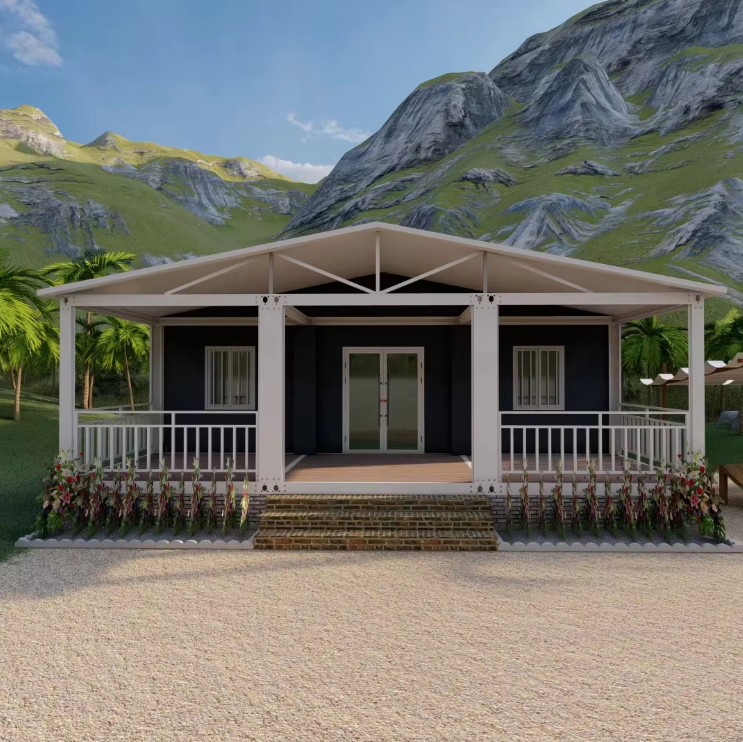
Affordability: How Container House Lowers the Barrier to Homeownership
Cost Savings vs. Traditional Construction
Using old shipping containers to build homes really brings down what people pay for housing. These tough steel boxes already come ready to go, so there's no need to spend extra money on bricks or all that lumber. A recent study from the Urban Institute found that building with containers saves around $74 per square foot compared to regular houses. That means total costs can be anywhere from 40 to 60 percent lower when going the container route. Plus, putting these homes together happens much quicker too. Most projects get finished within weeks instead of dragging on for months, which obviously saves money on labor and other expenses. For folks just starting out, basic container homes can cost as little as twelve thousand dollars. That price tag is actually similar to buying a decent used car, giving younger workers a real shot at owning property without breaking the bank and helping them establish some financial security over time.
Flexible Financing and Streamlined Permitting for Young Buyers
More and more financing options for container homes are being designed with younger people in mind these days. Lenders are starting to offer smaller down payments and better interest rates when it comes to modular designs, energy efficient models, or those built with sustainable materials. Container homes usually fall into the category of prefabricated or modular buildings, which makes getting permits generally easier and quicker than traditional construction. A lot of local governments apply standard building codes to these structures, so there's less red tape involved compared to conventional housing. The whole process moves along pretty smoothly for first time buyers wanting to get settled in quickly. Plus, some cities run special programs where they give money back or offer tax breaks for environmentally friendly builds. These kinds of financial assistance programs help cut costs right from the start while still meeting all necessary safety standards and quality requirements.
Sustainability: Why Eco-Conscious Young Professionals Choose Container House
Built from Repurposed Shipping Containers—Reducing Waste and Carbon Footprint
When someone takes an old shipping container and turns it into something useful, they're keeping around 8,000 pounds of steel out of landfills or junkyards. Plus, nobody has to go through the whole energy hungry process of making brand new structural steel. According to Market Research Intellect in their 2024 report, if more people started building homes from these containers instead of traditional materials, we might be talking about preventing millions of tons of CO2 every year. Young professionals who care about circular economy stuff aren't just thinking about sustainability as some abstract concept anymore. They see real world results when they live in a house made from recycled containers. These homes give second life to industrial structures while still providing good quality living spaces for years to come.
Energy-Efficient Design Integration (Solar, Insulation, Smart Systems)
Container homes today are packed with advanced building tech that makes them super efficient. Think spray foam insulation keeping heat out, triple glazed windows for better temperature control, proper solar positioning during design phase, and intelligent heating systems that adjust automatically. Add on top of that solar panels installed on roofs and systems that collect rainwater for reuse, and we're talking about cutting down yearly energy consumption around 40 percent when compared against regular houses. What does this mean? Lower monthly bills obviously, but people actually report feeling more comfortable inside too. Plus there's less impact on nature overall. So it works out financially while still ticking all the boxes for those who care about going green.
Mobility and Modularity: The Adaptive Lifestyle Fit of Container House
Container houses have this built-in modularity that really appeals to young professionals looking for living arrangements that grow with them through different career phases and life changes. Fixed site homes just don't cut it anymore when someone needs to expand space for kids, tweak layouts for working from home, or actually move somewhere else when job opportunities pop up elsewhere in the city. The interior of these containers is surprisingly adaptable too. Want to rearrange? No problem. Walls go up or down pretty quick, loft areas can be added overnight, and whole new functional spaces appear without needing major construction work. What makes this setup so attractive is how it balances practicality with flexibility. People get the benefits of owning property but still maintain that ability to pivot whenever needed, whether they're relocating for work or simply want a completely different living arrangement down the road.
Design Freedom and Urban Appeal: Modern Aesthetics of Container House
Industrial-Chic Interiors and Open-Plan Living Spaces
There's something striking about how those exposed steel beams, corrugated metal walls, and big glass windows can turn old shipping containers into really nice places to live in cities. The open floor plans let in plenty of daylight and make small spaces feel bigger than they actually are, which works great on those tight urban plots where every square foot counts. Insulation is added carefully so people stay comfortable through all seasons, and modern heating systems blend right in without hiding what makes these homes special. What we see here is basically a mix between old factory looks and today's clean designs. People working in creative fields seem drawn to this style because it feels genuine, efficient, and thoughtfully put together at the same time.
Personalized Layouts and Scalable Configurations
The concept of modularity goes beyond mere construction methods; it actually touches on how people own and use their living spaces. Think of shipping containers as those standard building components that folks can place side by side, pile on top of each other, or group together in interesting ways depending on what they need at different points in life. Someone working alone might start out with a small 20 foot container and then later add things like a kitchen section or build a loft area for sleeping above. The beauty here is being able to grow and change without tearing anything down completely. These setups still meet safety standards and building codes but allow for quick changes inside too. We're talking about walls that slide open, desks that fold away when not needed, and rooms that transform from guest quarters to office space as circumstances shift. For cities where everything seems to change overnight, this kind of flexibility makes housing something dynamic rather than just another fixed property investment.
FAQs
How much does a basic container home cost?
Basic container homes can cost as little as twelve thousand dollars, making them affordable for those just starting out.
Are container homes sustainable?
Yes, container homes are built from repurposed shipping containers, reducing waste and carbon footprint. They integrate energy-efficient designs, such as solar panels and insulation, which contribute to sustainability.
Can container homes be customized?
Definitely! Container homes offer design freedom with industrial-chic interiors and open-plan living spaces. They are highly adaptable, allowing personalized layouts and scalable configurations.