 EN
EN
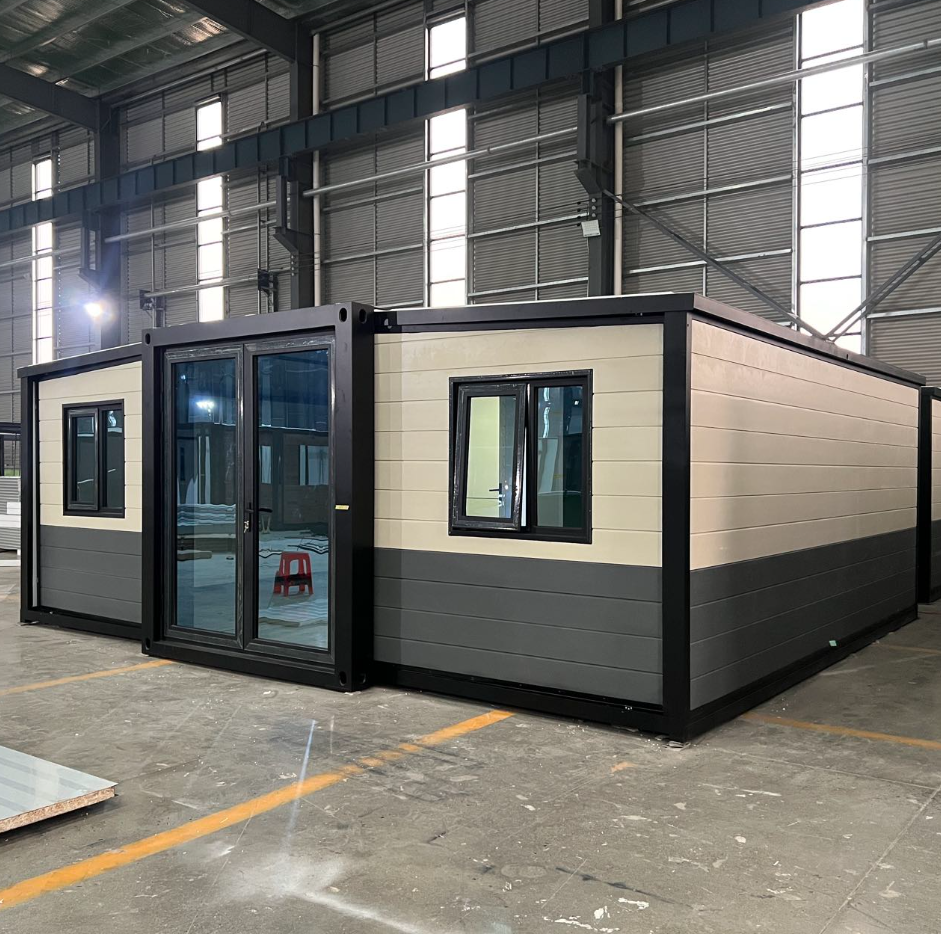
Core Engineering Innovations Behind Rapid Expandable House Deployment
Tool-Less Interlocking Systems and Kinematic Expansion Joints
Expandable homes today rely on special hinges and moving joints that let them pop open quickly without tools. The walls and roofs actually unfold following specific movement patterns that keep everything aligned properly when expanding, so nothing gets stuck or twisted out of place. What starts as something small enough to transport easily becomes a full living space within half an hour, with all the connections staying sealed against water leaks. When compared with regular modular building methods, this system cuts down on the hard work needed by around two thirds according to research from Ponemon Institute back in 2023. For people who need shelter fast but don't want to spend hours putting things together, these designs offer real advantages both in speed and ease of use.
Precision-Preengineered Alignment Features Eliminating Field Calibration
Components with controlled tolerances come with built-in laser cut notches and tapered pins that lock into place automatically when expanded, giving positioning accuracy down to fractions of a millimeter without needing any site calibration work. The whole self aligning system takes away the headache of hiring special technicians or making adjustments after deployment, so even crews without much technical know how can get things aligned properly according to building codes. Real world stats back this up showing around an 89 percent drop in installation mistakes, which means better adherence to those important seismic and wind load standards outlined in the latest International Building Code from 2021.
Real-World Validation: Field Performance of Expandable House Assembly
TerraHaus Field Trial: 4 Workers, 19.7 Minutes, Full Structural Integrity
The 2023 TerraHaus field trial demonstrated real-world viability: four workers fully assembled a certified expandable house in just 19.7 minutes. Post-construction analysis confirmed zero structural compromises and full compliance with IBC 2021 standards, including wind resistance up to 110 mph and seismic stability. Key outcomes included:
- Labor productivity: 68% faster than conventional modular assembly
- Precision: Maximum joint deviation of 0.08 inches across all expansion points
- Sustainability: 94% reduction in on-site waste generation
The unit remained stable during deployment in 40 mph crosswinds. Load testing showed uniform weight distribution and deflection under 1/500 of the span length, exceeding industry benchmarks for rapid-build systems.
Labor Efficiency Without Compromise: Safety, Code Compliance, and Scalability
The quick assembly process for these expandable homes keeps everything structurally sound while meeting all necessary regulations. The parts just snap together and they've been designed to handle pretty much anything nature throws at them. We're talking about wind speeds up to 150 miles per hour and good earthquake resistance too. No need to mess around with modifications on site since that's where most problems happen. Putting these structures together doesn't involve any welding, cutting tools, or big machines either. According to some research from the Ponemon Institute back in 2023, this approach cuts down on dangerous situations during construction by about three fifths. What makes these buildings really special is how easy it is to scale them up. Standard connections let individual units connect right into bigger complexes when needed. Fire barriers and weight distribution systems adjust automatically depending on what kind of building gets constructed. Because all these features comply with regulations right out of the box, companies can deploy these structures repeatedly in different markets without having to go through the whole design and testing process again, whether they're setting up temporary housing after disasters or building fancy hotels somewhere new.
Strategic Advantages of Expandable House Solutions for B2B Clients
Accelerated Project Timelines and Reduced On-Site Labor Costs
When using factory based precision engineering methods, around 85 percent of all construction work actually happens away from the job site. This approach gets rid of those frustrating weather related delays and cuts down on site labor requirements by roughly 60% compared to what we see with conventional building techniques. Amazingly enough, just four people can put together an entire structural frame within about 20 minutes flat, which means projects get finished anywhere from six to eight weeks faster than normal. Take a look at something like a hundred unit development and suddenly we're talking about saving nearly seven hundred forty thousand dollars on direct labor costs according to research published by Ponemon Institute back in 2023. Plus there's another benefit worth mentioning too. The built in quality control systems help minimize expensive mistakes made during manual work, so everything stays compliant with building codes no matter where these structures end up being installed throughout different locations.
Logistical Flexibility: Container-Ready Geometry and Minimal Equipment Needs
These expandable homes follow standard ISO container sizes, which makes them compatible with international shipping networks and cuts down transportation expenses around 40 percent. When packed for shipment, they fit together tightly so fewer containers are needed overall. Setting these up on site takes nothing fancy just regular hand tools will do the job. No need for heavy machinery or special gear, which means they work great even when there's limited infrastructure or tight deadlines. The whole concept really shines in situations that demand quick action like after disasters strike, at mining sites needing temporary accommodation, or during peak seasons when workers come in waves. Traditional building methods just don't cut it in these scenarios.
FAQ
What are expandable homes?
Expandable homes are structures designed to unfold and expand quickly using tool-less interlocking systems, turning a compact form into a full-sized living space within a short duration.
How do expandable homes remain structurally sound?
These homes utilize precision-preengineered alignment features and kinematic expansion joints to ensure structural integrity and compliance with building codes during expansion.
Are expandable homes eco-friendly?
Yes, the design of expandable homes focuses on reducing on-site waste generation and minimizing environmental impact through efficient construction techniques.
What industries can benefit from expandable homes?
Industries such as disaster relief, mining operations, and seasonal workforce accommodation can greatly benefit from the quick deployment and logistical flexibility of expandable homes.
How do expandable homes affect project timelines?
Expandable homes significantly accelerate project timelines by allowing up to 85% of construction to occur off-site, reducing on-site labor and associated delays.