 EN
EN
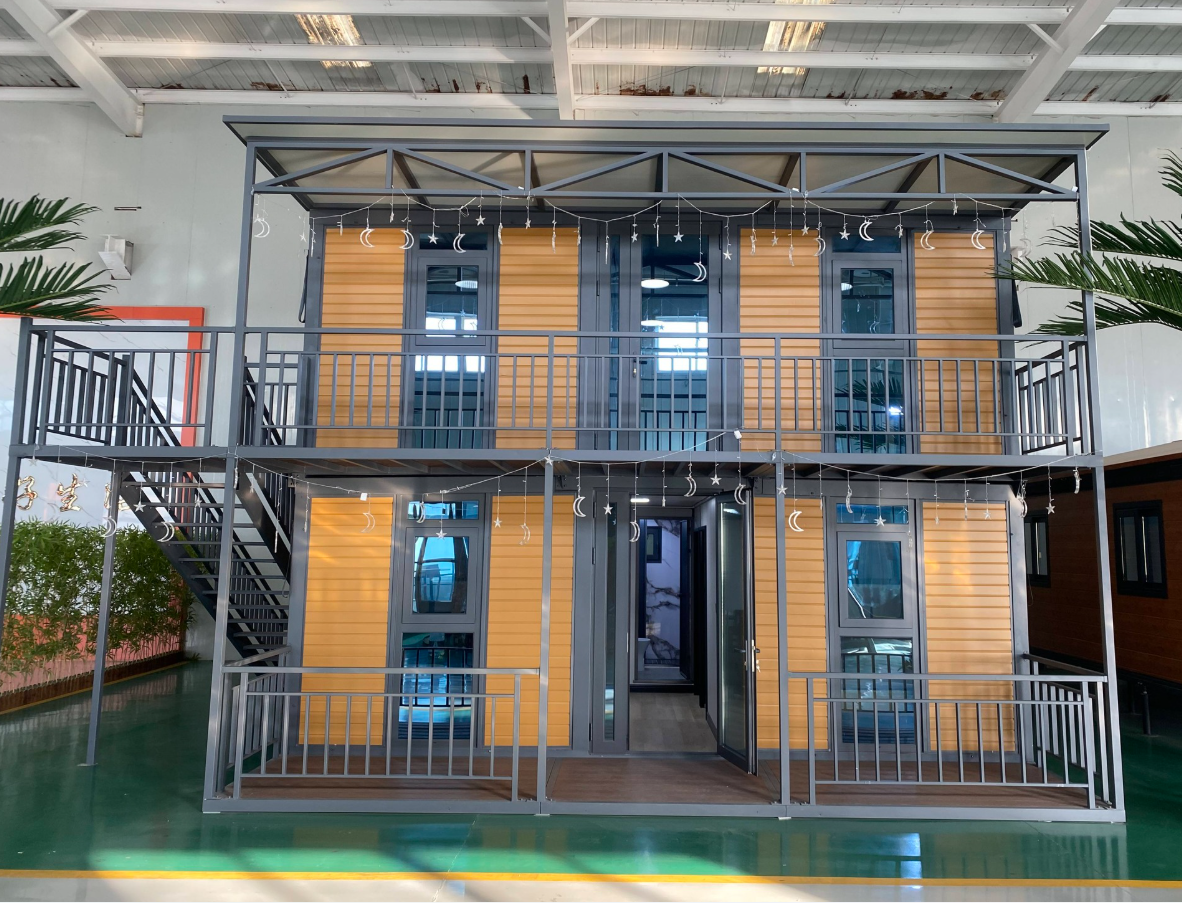
Folding House Versatility: From Solo Camping to Group Vacations
Ideal Use Cases: Weekend Glamping, Remote Work Retreats, and Eco-Resort Integration
The concept of folding houses brings together the best of both worlds when it comes to being on the move while still having all the comforts of home. These structures really shine during weekend getaways where folks want something better than just sleeping under canvas. They come equipped with everything from kitchens to bathrooms inside, so there's no need to worry about sudden downpours or unexpected visits from local critters that usually bother tent campers. Many remote workers have started calling these foldable shelters their temporary office spaces too. The frames can be fitted with solar panels right off the bat, plus most models maintain good cell service even deep in nature reserves or along rugged coastlines where traditional internet access would be impossible. Environmental resorts around the country are beginning to install these portable units because they fit seamlessly into natural landscapes without leaving behind any trace after guests check out. And speaking of space, the standard 30 foot version can easily accommodate anywhere from two up to four individuals at once. That kind of flexibility makes sense for small scale camping operations looking to expand responsibly without damaging fragile ecosystems.
Why Folding House Outperforms Traditional Tents and RVs in Comfort and Sustainability
Folding houses fill a real need between regular tents and those big RVs we all know. Regular camping tents just don't last long enough or keep people warm when it gets cold outside. And let's face it, RVs burn way too much gas and aren't really built for anything but one trip after another. The new folding house designs have these strong steel walls that actually regulate temperature inside. We're talking about keeping things around 68 degrees Fahrenheit even when it's freezing or sweltering outside. These structures can be moved at least ten times without falling apart, which means they produce about three quarters less trash than those disposable glamping pods everyone loves so much lately. Plus most come ready to hook up with solar panels right from the factory and include systems for recycling water. All this makes them far better for the environment than traditional RV campgrounds while still providing comfortable living spaces for extended stays.
Practical Deployment: Portability, Setup Speed, and Off-Grid Readiness
Transport & Logistics: Standard Trailer Compatibility and On-Site Assembly in Under 48 Hours
Folding houses today are built with logistics in mind. Their standard sizes fit right into Class III trailer specs, so no special transportation is needed. When these units arrive at the site, they come already made with all the necessary utilities installed inside. Putting them together takes less than two days even when dealing with tough or remote locations. Traditional construction methods take weeks just for site preparation plus lots of skilled workers. But folding homes have those clever connector systems that make installation almost like plugging things in. The mechanical work alone gets done around 70 percent faster compared to regular modular options out there. All this means people can move in quicker, save money on shipping costs, and get their operations running without delay.
Off-Grid Capabilities: Solar-Ready Frames, Water Recycling Options, and Minimal Site Impact
Folding houses are built around self sufficiency from the ground up. These designs come with factory installed spots for solar panels right out of the box, so no extra work needed later on. The electrical wiring paths are already set in place making it much easier to hook up renewable energy sources. Some models include optional systems for collecting rainwater and recycling greywater too, which cuts down dependence on outside water supplies by roughly 40 percent compared to regular RV configurations. Instead of traditional concrete foundations, these homes sit on adjustable bases that can be raised as needed. Special anchoring systems respond to different terrains, spreading weight across the ground to prevent damage to plants and minimize disturbance to the earth beneath them. All this adds up to operations that produce little to no carbon emissions, fitting well within environmentally conscious approaches to how we use our land resources.
Size, Layout, and Scalability: Choosing the Right Folding House for Your Vacation Needs
Selecting the optimal folding house balances capacity, terrain adaptability, and functional comfort. Standardized sizing enables purpose-driven deployment across diverse use cases:
20ft vs. 30ft vs. 40ft Folding House Models – Capacity, Amenities, and Terrain Flexibility
At 20 feet long (around 18 square meters), this model focuses on being easy to move around and keeping things simple. Great choice for people traveling alone or when there's just not enough space in those tricky forest spots where bigger RVs simply won't fit. Moving up to the 30 foot version (about 27 square meters) gives us something pretty flexible. Enough room for two people or maybe three if they're okay sharing space, comes with little kitchens that actually work and wet bath areas too, all without sacrificing much in terms of mobility. The big one at 40 feet (roughly 36 square meters) is what family folks need for longer trips or weekend getaways. Has separate areas for sleeping, proper bathrooms inside, plus good heating and cooling systems throughout. Smaller models handle rough ground or tight spaces so much better than their bigger brothers. No need to spend hours leveling out the site before parking them down, unlike those massive rigs that demand extensive preparation just to set up camp properly.
Modular Expansion: Linking Multiple Folding House Units for Family Groups or Boutique Campgrounds
The interlocking system connects units both physically and for utilities, making it possible to create all sorts of custom spaces. For instance, two standard 20 foot modules can be put together at right angles to make an L-shaped living space where different areas serve different purposes. When there are several 40 foot units involved, they can form something like a small resort area complete with private outdoor spaces and common areas where people gather. According to recent findings from the National Park Service in their 2023 report on sustainable camping developments, this kind of modular setup actually keeps around forty percent more of the natural ground untouched compared to regular RV parks that spread out everywhere. Campground managers really appreciate being able to change things around seasonally too. They don't need to build anything new or mess up the land permanently when they want to adjust how many sites are available based on what visitors need during different times of year.
FAQ
What are the main advantages of folding houses over traditional tents and RVs?
Folding houses offer enhanced comfort with features like temperature-regulating walls and the ability to set up solar panels. They are also more sustainable, producing less waste than disposable glamping pods and boasting water recycling systems.
How quickly can a folding house be assembled on-site?
A folding house can be assembled in under 48 hours, making it a time-efficient alternative to traditional construction methods that require weeks for site preparation and setup.
Can folding houses operate off-grid?
Yes, folding houses can operate off-grid with solar-ready frames and optional systems for rainwater collection and greywater recycling, reducing dependence on external resources.
What sizes do folding houses come in, and who are they suitable for?
Folding houses typically come in 20ft, 30ft, and 40ft models. The 20ft model is ideal for solo travelers or compact spaces, while the 30ft and 40ft models are suitable for couples, small groups, or families needing more space and amenities.
How are folding houses environmentally friendly?
Folding houses minimize environmental impact through the use of renewable energy sources, waste reduction, and sustainable site integration. They are designed to leave minimal traces on natural landscapes.