 EN
EN
Rapid Deployment and Structural Adaptability of Movable Houses
How Modular Design Enables Sub-72-Hour On-Site Assembly
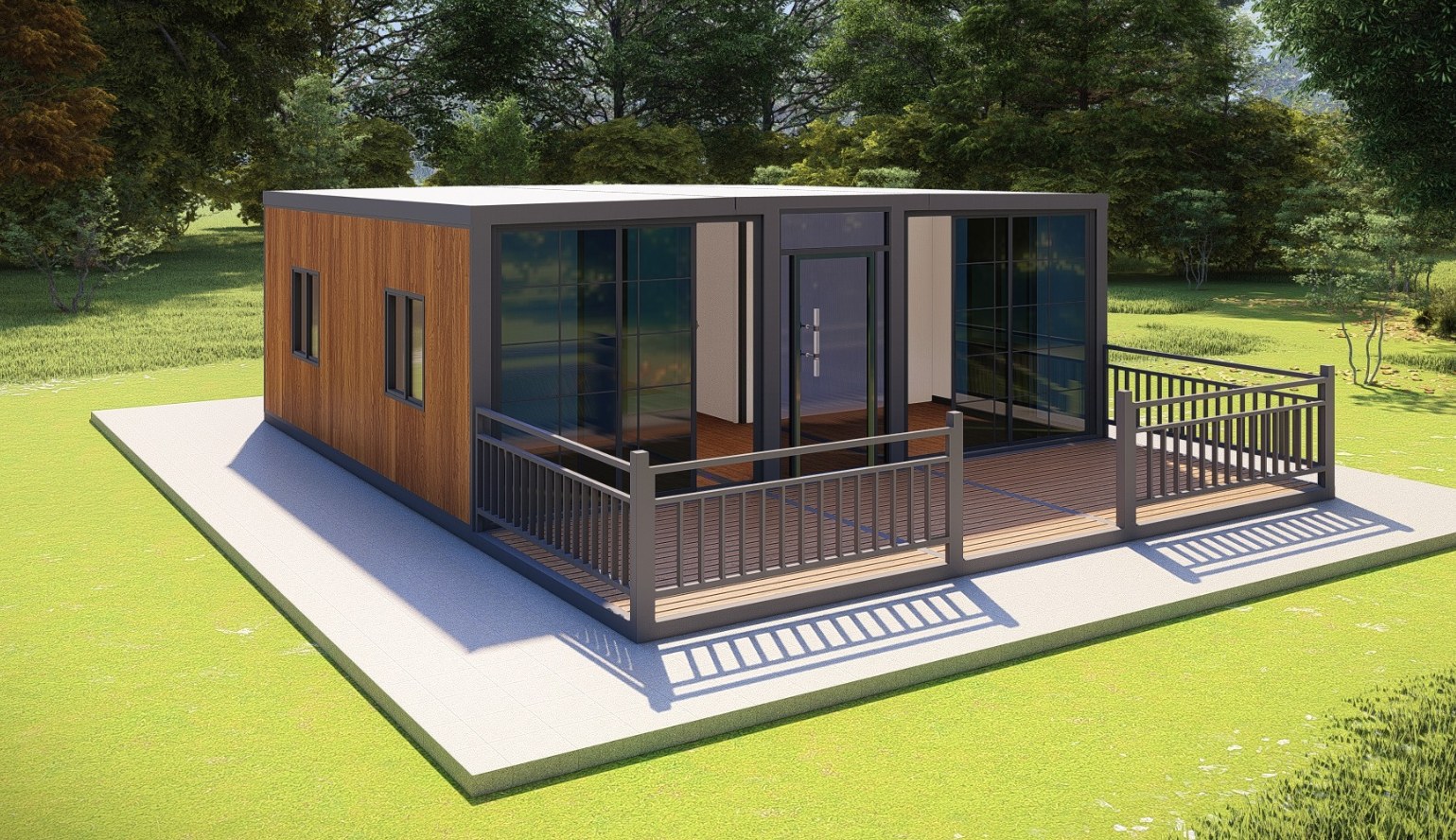
Modular building methods let temporary homes get put together at disaster sites within just three days max, which makes these structures really valuable during emergencies. The parts themselves are made with exact measurements back at factories where conditions can be controlled, packed flat so they take up less space when being transported. These buildings have standard connection points like metal frames and panels that slide into place, meaning anyone can assemble them quickly without needing special equipment or much experience. According to recent industry reports from last year, this kind of construction cuts down on labor needs by around half compared to regular building techniques. Some models even come folded up small for shipping, expanding out later through either hand cranks or hydraulics without losing strength. Tests show these structures hold up well against winds blowing at speeds over 150 kilometers per hour and handle minor earthquakes too. They meet all the necessary safety regulations set by IECC, but what matters most is how fast people can actually get shelters erected after disasters strike, sometimes cutting wait times from weeks down to mere days.
Case Study: Philippines Typhoon Haiyan — 12,000+ Movable Houses Deployed in 10 Days
After Typhoon Haiyan hit in 2013 and forced around 4 million people from their homes, aid organizations managed to put up over 12,000 prefabricated homes throughout Leyte and Samar in barely 10 days something that would never work with regular building methods. These ready-made housing units came flying in on military transport aircraft and rolling in on container ships. Skilled workers could set up more than fifty of these modular shelters each day thanks to simple bolt and bracket connections. What really stood out was how flexible these structures could be. They worked great when attached to broken concrete foundations, packed dirt surfaces, and even on makeshift floating bases where flooding had wiped out everything else. When they checked back later, almost 94 percent of these temporary homes still stood strong despite shaking from aftershocks and pounding rain during the monsoon season proving they held up well against nature's worst.
Cost Efficiency and Scalable Logistics for Movable House Deployment
Unit Cost Range ($18,500–$42,000) vs. Lifecycle Value in Low-Infrastructure Zones
The cost benefits of movable homes are pretty impressive, with prices typically between $18,500 and $42,000, which is way cheaper than building something permanent in areas where infrastructure is sparse. The reason for this affordability? Factory-based manufacturing cuts down on both labor hours and materials needed, often saving around 30 percent compared to traditional methods. What really makes these structures stand out though is how they can be moved again and again without falling apart. Many have been known to survive relocation several times while still holding up against tough weather conditions, so there's no constant need to tear them down and start fresh. For communities living far from cities or dealing with disaster aftermath, getting rid of those expensive foundation requirements and complex connections to utilities means much less hassle down the road. Looking at things over ten years, people who choose movable housing end up spending roughly 35 to 40 percent less overall. These aren't just quick solutions for emergencies either; they actually represent smart investments when thinking about rebuilding efforts that last.
UNHCR and IFRC Procurement Trends: Standardizing Movable House Specifications for Rapid Response
Both the UN Refugee Agency and the Red Cross have started using standard specs for temporary shelters to speed things up during emergencies. When they set out exact measurements, materials needed, how everything connects to the ground, and where different parts fit together, it makes buying stuff in bulk much easier. This approach cuts down on having to deal with too many suppliers and gets rid of those annoying delays when engineers need to customize everything from scratch. Getting consistent quality matters a lot too because when shelters work well together, teams can put them up faster and fix problems without special tools. Looking at what happened recently when these groups worked together, deployment time dropped almost in half while spending on moving supplies went down around a quarter. This shows that working globally isn't just good politics it actually turns simple tents into something serious that helps manage crises effectively across the world.
Energy Resilience: Off-Grid Capabilities of Modern Movable Houses
Solar-Battery Integration: Performance Realities in High-Dust, High-Humidity Disaster Zones
Today's mobile shelters frequently come equipped with solar powered battery packs so they can run on their own when regular electricity sources get knocked out or stop working reliably. Labs claim these setups can last over three days without outside power, but actual tests in disaster areas tell another story. Dust becomes a major problem in places like earthquake damaged areas or dry flood regions. The dust builds up on solar panels and cuts down their effectiveness by around 30 percent. Cleaning them regularly takes time away from what rescue workers need to be doing. Then there's the issue with batteries in humid tropical climates. Moisture causes corrosion problems at the battery connections about 40 percent faster than companies predict, which means these systems don't last as long as expected. Looking at how things have worked out in Southeast Asia, we see an average drop of about 22 percent in available energy during rainy season compared to what was promised. Because of these challenges, many emergency organizations are starting to combine solar panels with small quiet generators instead of relying solely on sun power. This helps keep lights on, radios working, and medical devices running during those first crucial hours after a disaster hits.
FAQ Section
Q: What are movable houses?
A: Movable houses are temporary homes built using modular design, allowing for rapid assembly in emergency situations or low-infrastructure zones.
Q: How quickly can these structures be deployed?
A: These structures can be assembled on-site in less than 72 hours, making them invaluable during emergencies.
Q: What makes movable houses cost-effective?
A: The affordability stems from factory-based manufacturing, which reduces labor hours and material costs by up to 30% compared to traditional building methods.
Q: Can these houses withstand harsh weather conditions?
A: Yes, they are tested to hold up against winds over 150 km/h and handle minor earthquakes, meeting necessary safety regulations.
Q: How do movable houses handle energy needs in disaster zones?
A: Many come with solar-powered battery packs and sometimes small generators to ensure off-grid energy resilience despite challenges like dust and humidity.