
 EN
EN
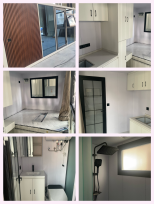
What Is an Apple Cabin? Core Concept and Design Philosophy
An apple cabin is a prefabricated modular structure that merges minimalist aesthetics with regenerative functionality. Its design philosophy centers on integrating human habitats into natural landscapes—using symmetrical, curved forms to enable 360° panoramic views and efficient rainwater harvesting. Unlike conventional housing, apple cabins prioritize sustainably sourced materials: FSC-certified timber, recycled aluminum composites, and non-toxic bio-based insulation—reducing embodied carbon while ensuring longevity.
Passive climate resilience is embedded from the outset: strategic orientation, high thermal mass construction, and cross-ventilation systems collectively cut mechanical heating and cooling demand by up to 40% compared to standard builds. Space efficiency is engineered—not compromised—with flexible layouts enabling full functionality (sleeping, working, cooking) in compact footprints as small as 25m². In essence, the apple cabin redefines compact living as intentionally designed, visually cohesive, and ecologically restorative.
How Apple Cabin Enables Seamless Indoor-Outdoor Living
Spatial Fluidity: Blurring Boundaries with Sliding Timber Walls and Courtyard Integration
Apple Cabins eliminate rigid indoor-outdoor divisions through fully retractable, thermally broken timber walls. When opened, they unify interior living zones with thoughtfully integrated courtyards—expanding perceived space by 38% without increasing structural footprint. Positioned as functional extensions rather than afterthoughts, these courtyards support year-round use: outdoor dining, morning yoga, or evening stargazing. The sliding mechanism allows real-time adaptation to weather shifts or privacy needs, fostering intuitive, responsive engagement with nature.
Passive Climate Resilience: Timber Geometry, Thermal Mass, and Natural Ventilation
The cabin’s timber geometry is calibrated for solar responsiveness: angled roof overhangs block high-angle summer sun while admitting low-angle winter rays—reducing heating demand by 57%. Dense timber framing and phase-change-enhanced interior finishes provide thermal mass, absorbing heat by day and releasing it overnight to stabilize interior temperatures. Operable clerestory windows and floor-level vents establish stack-driven airflow, delivering continuous fresh air exchange without mechanical assistance. Together, these features maintain consistent 20–25°C comfort across seasons—cutting HVAC reliance by 72% in temperate climates.
Proven Impact: Real-World Performance of the Apple Cabin
Field data confirms the apple cabin delivers measurable performance gains—not just conceptual benefits. Operational metrics from deployed units show tangible improvements in energy efficiency, occupant well-being, and economic viability.
Hudson Valley Case Study: 92% Longer Seasonal Occupancy and User Well-Being Metrics
A 2024 longitudinal study across five apple cabins in New York’s Hudson Valley found occupants extended seasonal use by 92% versus comparable traditional structures—enabled by reliable passive thermal performance from early spring through late autumn. Biometric and survey data revealed parallel human benefits:
- 47% greater stress reduction (measured via salivary cortisol tracking)
- 53% stronger self-reported nature connection
- 81% guest satisfaction with climate resilience
These outcomes validate how biophilic form and passive systems convert environmental constraints into durable, human-centered value—proving operational effectiveness even in regions with variable precipitation and temperature swings.
Apple Cabin in Practice: Ideal Users and Strategic Applications
The apple cabin’s modularity, sustainability credentials, and aesthetic coherence make it especially valuable for developers and planners pursuing regenerative growth models. Three user segments exemplify its strategic fit—each leveraging distinct advantages to meet market evolution and ESG goals.
Resort Developers, Eco-Estate Planners, and Remote-Work Retreat Operators
- Resort Developers deploy apple cabins as scalable, off-grid-ready eco-accommodations for glamping sites and boutique resorts. Their rapid installation (under 10 days on-site), minimal site grading, and circular footprint reduce ecological disruption—while attracting sustainability-minded travelers seeking low-impact luxury.
- Eco-Estate Planners integrate units as carbon-neutral guest houses, wellness studios, or agritourism hubs within regenerative communities. Energy-efficient performance and orchard-compatible dimensions help estates achieve LEED-ND or Living Building Challenge certification—enhancing long-term asset value.
- Remote-Work Retreat Operators serve the $740B global “workation” market (McKinsey, 2023) by embedding tech-enabled cabins in forested or orchard settings. Biophilic interiors, fiber-optic connectivity, and adaptable zoning—from co-working pods to silent meditation nooks—support hybrid productivity and restoration without compromising either.
The Future of Apple Cabin: Scaling Regenerative Tourism and Orchard-Integrated Development
Carbon-Neutral Certification Pathways and Local Orchard Partnership Models
Scalability hinges on two complementary frameworks: third-party carbon-neutral verification and symbiotic local agriculture partnerships.
Carbon-neutral certification begins with rigorous lifecycle assessment—from responsibly harvested timber sourcing and low-emission manufacturing through operational energy modeling to end-of-life material recovery. Accredited pathways like ISO 14064 or PAS 2060 provide investor- and traveler-recognized credibility, transforming each cabin into a verified climate-positive asset.
Equally vital are structured collaborations with regional orchards. These go beyond land leasing: cabins are sited to complement existing irrigation, pest management, and harvest cycles—creating shared maintenance ecosystems. Orchard owners gain diversified income without operational trade-offs; cabin operators secure agriculturally grounded, story-rich settings that deepen visitor connection to food systems. Together, these models enable clustered deployment—forming interconnected eco-networks that amplify regional resilience far beyond the capacity of isolated retreats.
FAQ
What materials are used in the construction of apple cabins?
Apple cabins use sustainably sourced materials such as FSC-certified timber, recycled aluminum composites, and non-toxic bio-based insulation.
How energy efficient are apple cabins?
Apple cabins reduce mechanical heating and cooling demand by up to 40% compared to standard builds due to high thermal mass construction, strategic orientation, and cross-ventilation systems.
In what climates are apple cabins most effective?
Apple cabins are effective in temperate climates, maintaining consistent comfort and reducing HVAC reliance by 72% through passive climate resilience features.
Who benefits most from using apple cabins?
Resort developers, eco-estate planners, and remote-work retreat operators benefit from using apple cabins due to their modularity, sustainability credentials, and aesthetic appeal.
Table of Contents
- What Is an Apple Cabin? Core Concept and Design Philosophy
- How Apple Cabin Enables Seamless Indoor-Outdoor Living
- Proven Impact: Real-World Performance of the Apple Cabin
- Apple Cabin in Practice: Ideal Users and Strategic Applications
- The Future of Apple Cabin: Scaling Regenerative Tourism and Orchard-Integrated Development
- FAQ