 EN
EN
Scalable Living: How Expandable Container Houses Grow with Your Family
The Lifecycle Fit: Matching housing to evolving family needs—from couples to multi-generational households
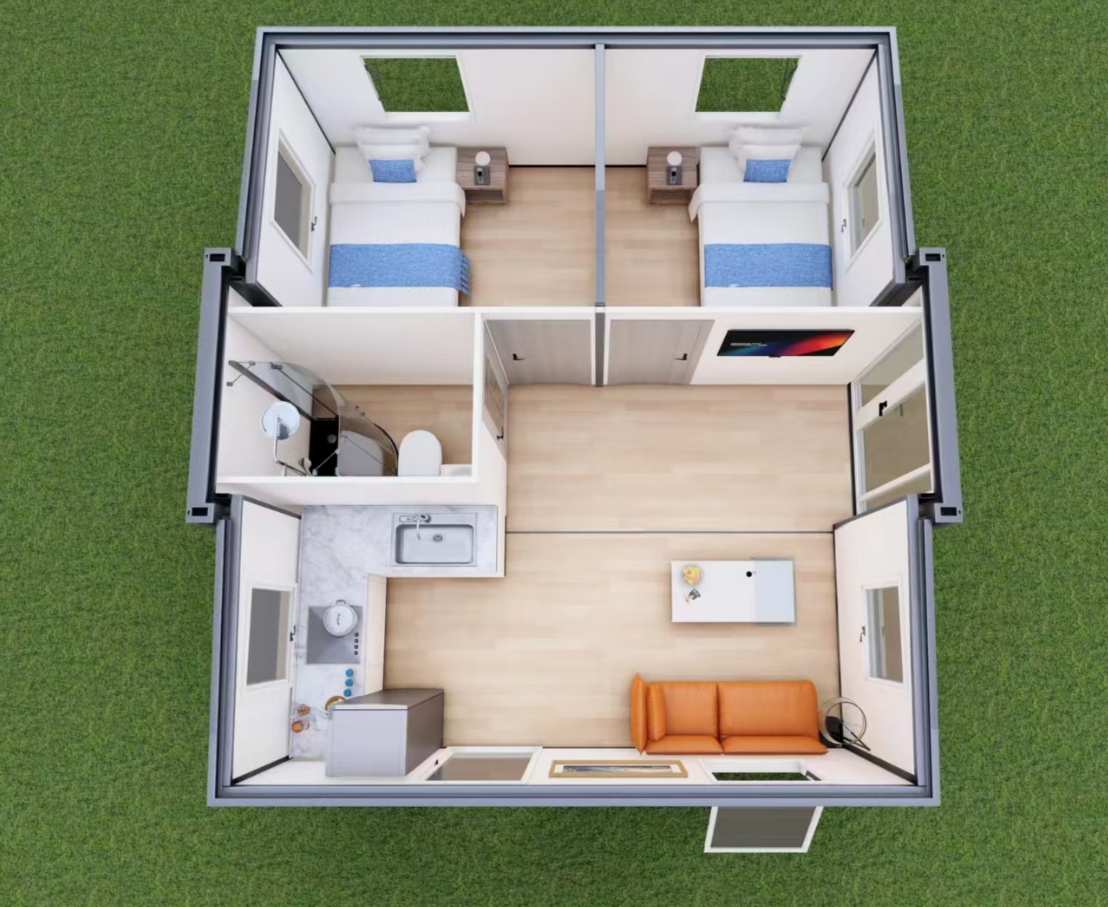
Expandable container houses are built around the changing needs of family life. They start out as small but smart studios perfect for young couples just starting out together. When kids come along, the space can be rearranged with different room configurations or extra modules attached as needed. Later on, when parents get older, there are special areas that make living easier and more comfortable right where they already are. The walls inside can actually move around, turning one space into another depending on what's needed at any given time. Spaces that weren't there before suddenly appear when required. Families expanding from just two people up to six or even more find that these homes keep everyone's privacy intact while still maintaining connections between generations. Unlike regular houses that require moving whenever circumstances change, these adaptable homes stay put while growing alongside their inhabitants.
Modular Expansion Mechanics: Seamless integration of additional units without foundation rebuilds or zoning delays
Expansion relies on three field-proven methods—each engineered for speed, structural continuity, and regulatory compliance:
- Vertical Stacking: Pre-fitted upper-floor modules install in under 70% the time of traditional builds, anchored directly to the original foundation.
- Slide-Out Wings: Weather-sealed bedroom or living extensions deploy in under 48 hours using integrated hydraulic systems and factory-aligned utility interfaces.
- Connector Units: Independent containers link via corridor modules with pre-certified electrical, plumbing, and HVAC conduits—bypassing permit re-submission in most jurisdictions that recognize modular assembly standards.
Because expansions integrate with existing load-bearing systems and utility infrastructure, they avoid foundation reconstruction (saving ~$14,000 per addition) and sidestep the 6–8 week delays typical of site-built additions. Retrofitted junctions auto-align, preserving structural integrity and code compliance throughout growth.
Cost Efficiency: Lower Upfront Investment and Long-Term Value for Small Families
Upfront Savings: 30–40% lower construction cost vs. site-built homes, with factory precision reducing waste and rework
Container houses built offsite save money right from the start, often costing around 30 to 40 percent less than traditional homes constructed on location. When manufactured in factories instead of outdoors, there are no weather delays holding things back. Plus, materials get used better since waste drops somewhere between 15 and 30 percent. And nobody has to fix mistakes made during construction because measurements tend to be spot on when everything happens under one roof. The whole process is engineered with precision so quality stays consistent across all units, which means quicker assembly times and lower labor expenses without sacrificing safety standards. With these cost efficiencies, homeowners can actually spend extra on nice touches such as premium flooring or installing smart home technology without breaking their original budget. What's really great though is how expansions work too. People don't need to shell out big bucks upfront for bigger spaces later down the road. They just pay as they grow, making it much easier financially speaking.
Hidden Economics: Reduced utility bills, minimal maintenance, and resale premium in growing prefab markets
Investing in quality construction pays off down the road. Homes built with high performance insulation and steel frames that break thermal transfer can slash heating and cooling bills by anywhere between 25 to 35 percent each year. Steel frames simply last longer because they won't rot away, attract bugs, or get damaged by harsh weather conditions. Maintenance costs drop around 40% compared to traditional wooden frames. The green building market is growing fast right now, and this shows in the numbers too. According to latest figures from the National Association of Home Builders Prefab Market Report, certified prefabricated homes including those made from expandable shipping containers sell for 7 to 12% more at resale in major markets. When we talk about energy savings and durable materials, these aren't just ways to save money on monthly bills. They actually increase how long a property stays valuable and builds wealth over time.
Smart Space Design: Maximizing Functionality in Compact Footprints
Container homes tackle a big problem for small families trying to make do with limited space. These aren't your standard apartments where everything feels cramped forever. Instead, they're designed with people in mind, making spaces actually work better than look good. During the day, sliding walls can turn a bedroom into an office area. The furniture inside does double duty too: think sofa beds that become guest sleeping spots at night, tables that pop up from nowhere when needed, and desks mounted on walls to save precious floor room. Storage isn't just shoved into corners either. Many models have cabinets built right into walls and ceilings, so stuff gets out of sight but still accessible. Smart placement of windows combined with reflective materials makes rooms feel bigger than they really are. Different areas of the house are separated not by walls but through changes in ceiling height, different types of flooring, or custom built-ins. According to some studies done in the industry, this kind of thoughtful planning can boost what people get out of their space by around 30% in homes under 1,200 square feet.
Built for Safety and Comfort: Structural Integrity, Climate Resilience, and Healthy Indoor Environments
Steel-Frame Assurance: Cyclone-rated strength, fire-resistant materials, and engineered thermal envelopes
Steel remains the backbone of expandable container houses, providing serious durability that just cant be matched by other materials. These buildings are built to handle extreme weather conditions too. They pass those tough ICC 500 and ASCE 7 wind load tests with flying colors, meaning they can stand up against winds blowing over 150 miles per hour and stay anchored down even when hurricanes hit hard. When it comes to fire protection, everything matters from the ground up. The mineral wool insulation between walls, combined with steel exteriors and non-flammable interior panels works together to stop fires from spreading quickly and cut down on dangerous smoke production. And dont forget about temperature control either. With carefully installed insulation running continuously throughout the structure and special framing designed to block thermal bridging, these containers keep heat loss down around 30 percent better than traditional wood frame buildings according to recent testing done by folks at Building Science Corporation.
Family-Centric Air Quality: Low-VOC finishes, balanced ventilation systems, and mold-resistant construction
Good indoor air quality shouldn't be considered optional when building a home—it needs to be part of the foundation from day one. The materials used throughout have passed Greenguard Gold standards, which means they release very few volatile organic compounds. This helps cut down on those nasty chemicals that can cause problems for developing bodies and lungs over time. Our ventilation system keeps things balanced all year long, maintaining around 40 to 60 percent humidity levels. That prevents damp spots forming anywhere and actually supports better immunity too. We've built mold resistance right into multiple layers of construction. There's special underlay beneath floors that blocks moisture, walls treated with stuff that fights microbes, plus steel frames that stay sealed tight against unwanted growth. Some studies in the journal Indoor Air show houses built this way slash airborne irritants by about two thirds. Pretty impressive when thinking about how much better this makes life for little kids, older adults, or anyone who deals with allergies regularly.
FAQ
What are expandable container houses?
Expandable container houses are modular homes that can be reconfigured or expanded to accommodate the changing needs of a family over time.
How do expandable container houses benefit small families financially?
Expandable container houses offer reduced upfront construction costs, lower utility bills, minimal maintenance expenses, and the flexibility to expand without large immediate investments.
Are expandable container houses safe?
Yes, they are built with steel frames providing cyclone-rated strength, are fire-resistant, and constructed to ensure a healthy indoor environment.
Can expandable container houses be customized?
Yes, they offer flexible interiors with modular components that can adjust to different space needs and preferences.
Table of Contents
- Scalable Living: How Expandable Container Houses Grow with Your Family
- Cost Efficiency: Lower Upfront Investment and Long-Term Value for Small Families
- Smart Space Design: Maximizing Functionality in Compact Footprints
- Built for Safety and Comfort: Structural Integrity, Climate Resilience, and Healthy Indoor Environments
- FAQ