
 EN
EN
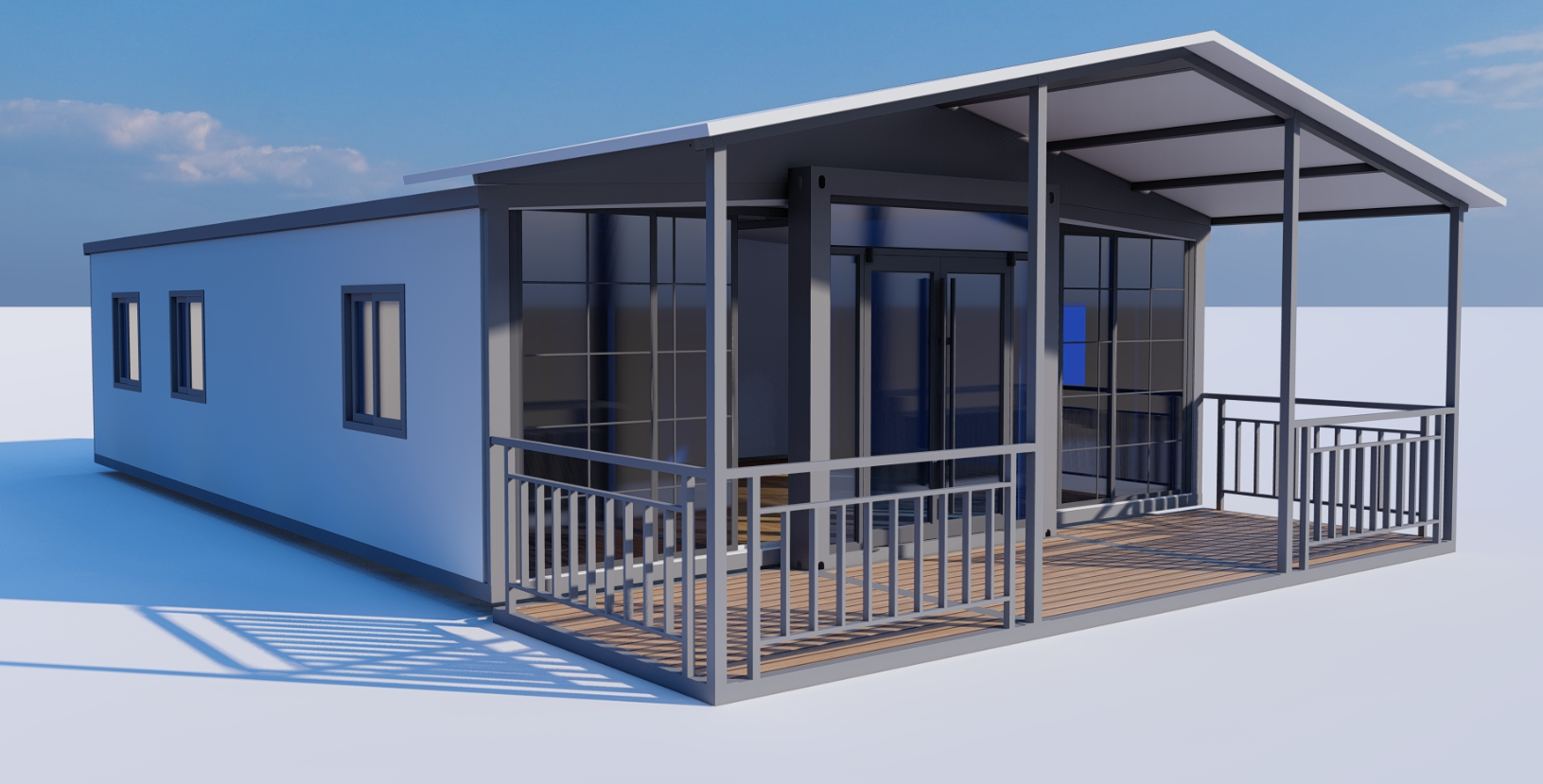
Why Families Need Expandable Houses: Demographic Pressures and Spatial Limitations
Aging Populations, Multigenerational Living, and Shifting Household Sizes
These days, modern families are dealing with some serious space issues because demographics keep changing fast. People are living longer so many families end up taking care of older relatives at home. At the same time, money problems force grown kids back into the family nest, creating all sorts of complicated situations when multiple generations live together. Regular houses with fixed layouts just can't handle all these changes, which is why so many families find themselves either squeezed into tiny spaces or wasting room they don't need anymore. Expandable housing offers a real fix for this problem with flexible floor plans that grow and shrink along with what people need. Think about modular designs that let families adapt their living situation over time. A young couple might start out in something small and cozy, then add extra rooms when babies come along. Later on, those same spaces can be converted to accommodate grandparents who want to stay close but still have their own area. The whole point is to avoid having to move constantly, keeping everyone in the family connected without breaking the bank in the long run.
Why Traditional Homes Fail to Adapt—Cost, Zoning, and Structural Inflexibility
When families need more room, conventional housing throws up three big obstacles. First off, structural changes are expensive headaches. Foundation extensions alone can cost well over fifty grand, not to mention all the plumbing and electrical work that needs rerouting, which tends to mess up normal family routines for months on end. Then there's the whole zoning law issue. Most local regulations don't allow extra units or bigger homes because of those pesky setback requirements and density caps. This forces many families into either building something that doesn't meet code or packing up and moving somewhere else entirely. And let's talk about money. Selling a home means paying around 5 to 6 percent in real estate commissions, plus actual moving costs that often hit fifteen thousand dollars or more for average sized houses. All these restrictions keep people stuck in homes that just don't fit their needs anymore. That's where expandable houses come in handy. These designs are built with growth in mind from day one. Instead of tearing everything apart later, owners can add space gradually as needed. Plus they work better with newer zoning policies that actually permit accessory dwellings now. The way utilities are laid out and the modular frame construction makes expanding these homes roughly thirty percent quicker compared to regular remodeling projects.
How Expandable Houses Work: Modular Design, Structural Scalability, and Smart Layout Planning
Foundation, Framing, and Utility Integration for Seamless Future Expansion
When building expandable homes, the foundation work starts with reinforced bases that have steel plates already embedded plus anchor points for future weight needs. Contractors typically set up these modular frame systems with standard connectors so they can attach extra sections later without weakening the whole structure. During the original build phase, important utility lines get laid out ahead of time in areas where expansions might happen. Electric wires, plumbing cutoff points, and heating/cooling connections all go into place before anyone even thinks about adding on. This planning means no major demolition later on when someone wants to put in another room. For instance, if someone decides to add a bathroom, the water pipes already have those special valves built into wall partitions, so there's no need to rip up flooring just to run new lines. These smart design choices cut down on renovation expenses by around 30 percent compared to regular home expansions, and residents can usually stay in their homes throughout most of the process too.
Multi-Functional Zones and Phased Room Additions That Preserve Flow and Value
Modern open floor designs often include sliding walls and flexible furniture that let rooms change function easily throughout the day. What starts as a workspace can quickly transform into sleeping quarters when guests arrive thanks to those clever fold down beds. Even kitchen islands aren't just for food prep anymore they work great as homework desks too. When expanding their homes, many families take things step by step. They might begin with adding a cozy sunroom made from ready built wall sections, then later on top of that space they could install another level for extra bedrooms. Keeping everything looking good together means making sure all these additions line up visually and sit at similar heights across different areas. Real estate numbers back this up showing adaptable homes hold about 15 percent higher value compared to fixed layouts because they stay useful longer without becoming outdated. This flexibility really helps people adjust living spaces as their lives evolve whether dealing with aging parents or kids moving out eventually.
Real-World Proof: A Portland Expandable House Case Study Across Three Life Stages
Take Portland for instance where expandable houses really tackle changing space requirements over time. One local family started off in a small 1,200 square foot base unit back when they were just married. Fast forward to when their first baby came along, they simply tacked on a 400 sq ft nursery module that had already been wired up during the initial build, all done within weeks without breaking the bank on big renovations. Ten years down the road, those teens wanted their own space so the house got a separate office pod actually repurposed from what used to be flexible storage area, connected right into the existing utilities. And then came the grandparents needing somewhere accessible, so another ground floor suite was added through modular expansion, keeping everyone close but still maintaining independence. All told, this step by step method probably saved them around 20% compared to regular home additions. What we see here is proof positive that smart scalable designs can handle life changes without anyone having to move out. These expandable homes aren't just buildings anymore they're living things that actually grow with families as they change and evolve.
Market Momentum: Policy Support, Builder Adoption, and Homebuyer Demand for Expandable Houses
Zoning Reforms, Incentives, and Financing Models Accelerating Expandable House Growth
The rules around building are changing fast as states update their zoning laws to let people build houses that can grow over time. Take California, Oregon, and Massachusetts for instance they all now welcome modular homes on regular single family plots, cutting down how long it takes to get approvals by roughly a month to two months. Cities are throwing in extra perks too many offer tax breaks when builders include things like roofs ready for solar panels or systems to collect rainwater. Around 40 something percent of developers these days design homes with extra space built in from the start because homebuyers want flexibility in their living arrangements. There's also this new trend in financing where special construction loans let folks pay only for what they need right now and save money for expansions later on. These changes in policy aren't just helping fix the housing crisis they're giving families real options to grow their homes without breaking the bank as their lives evolve.
FAQ
Q: What are expandable houses?
A: Expandable houses are homes designed with the flexibility to add or remove rooms and spaces as the needs of a family change over time.
Q: How do expandable houses address space limitations?
A: They offer modular designs with flexible floor plans that allow a home to grow or shrink according to what is required at different life stages.
Q: Why are traditional homes considered inflexible?
A: Traditional homes often face difficulties with expensive structural changes, zoning restrictions, and rigid layouts that don't cater to evolving family needs.
Q: How are utility lines handled in expandable houses?
A: Utility lines, including electric wires and plumbing cutoff points, are pre-laid in expansion-friendly areas during the initial build to simplify future additions.
Q: Are expandable houses a good financial investment?
A: Yes, they hold about 15 percent higher value compared to fixed layouts because they remain adaptable and useful for longer periods.
Table of Contents
- Why Families Need Expandable Houses: Demographic Pressures and Spatial Limitations
- How Expandable Houses Work: Modular Design, Structural Scalability, and Smart Layout Planning
- Real-World Proof: A Portland Expandable House Case Study Across Three Life Stages
- Market Momentum: Policy Support, Builder Adoption, and Homebuyer Demand for Expandable Houses
- FAQ