
 EN
EN
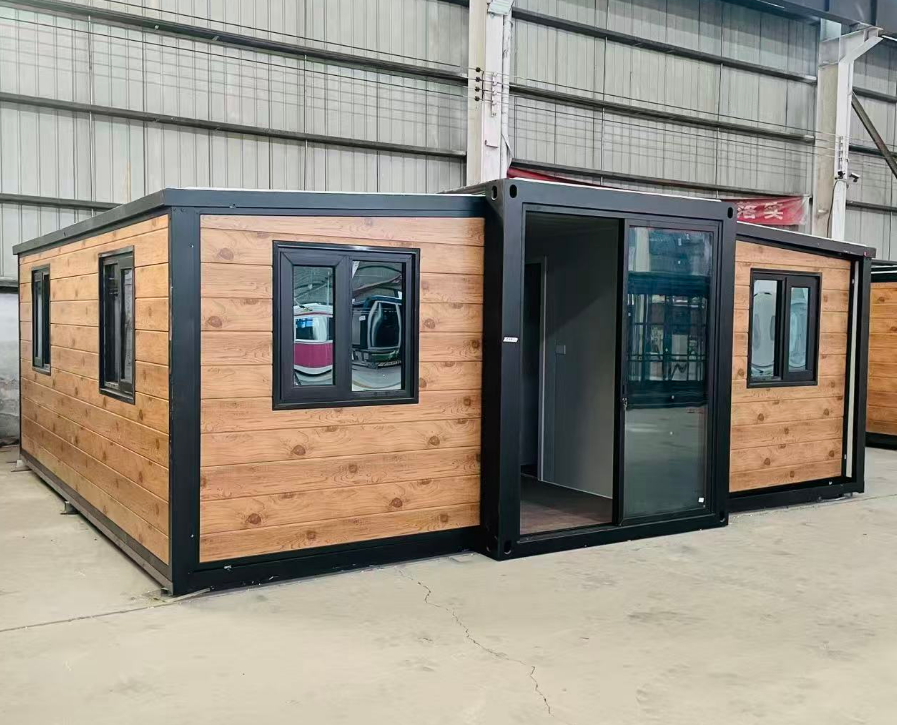
Unmatched Speed: How Expandable Container Houses Enable Deployment in Days
Hydraulic and Mechanical Expansion Systems for Instant Spatial Growth
Container houses that expand quickly rely on hydraulic or mechanical systems to unfold walls and roofs within about 45 minutes give or take. The pop up design takes those small 8 by 20 foot shipping containers and turns them into full size living spaces around 320 square feet big, which means three times more space without needing any construction workers onsite. Everything is put together at the factory already, so there's no messing around with parts when they arrive. Just level the ground and boom, ready to live in. Traditional building methods need all sorts of groundwork first, taking weeks sometimes. These expandable units skip most of that hassle completely, cutting out something like 90 percent of what normally goes into building a house from scratch.
Real-World Validation: UNHCR Emergency Deployment in Türkiye (92 Units in 72 Hours)
Speed really matters during disasters. Take what happened after the earthquake in Turkey where the UN Refugee Agency sent out 92 expandable container homes for survivors. Within three days, every single unit arrived at the site, expanded on location, and became fully functional with everything from electricity to plumbing already installed. What's impressive? Each individual module was ready to go within just four hours flat. That beats regular emergency shelters by around 80%. The timing was critical too. These containers offered proper insulation and security right before cold weather hit the region. Faster setup means better chances for people to survive and start rebuilding their communities when buildings and roads are destroyed.
Logistical Superiority: Reduced Shipping Volume and Relocatable Design
The fold-and-nest design of expandable container housing brings major improvements to logistics operations. When these structures collapse down to their smallest form, they take up around 70% less space during transport. That means shipping companies can fit anywhere from three to four units inside what would normally hold just one standard container. The cost savings are impressive too freight expenses drop by approximately 35% when using this method. Plus there's less fuel burned and fewer carbon emissions generated throughout transportation. At ports, the whole loading and unloading process speeds up dramatically because everything fits together so neatly with those standardized sizes and interlocking frame systems that make handling much easier for workers on site.
Fold-and-Nest Transport Cuts Freight Costs by Up to 35%
The core innovation lies in precision-engineered hydraulic folding mechanisms that retract walls and roofs vertically or horizontally. Key benefits include:
- Volume reduction: Units shrink to just 30% of their expanded size during transit
- Stackability: Interlocking frames prevent shifting and support safe vertical stacking
- Relocation simplicity: No disassembly required—units deploy or recompact in under two hours
- Storage optimization: Collapsed units occupy 80% less warehouse space
This transport resilience extends service life: units withstand 15+ relocation cycles without structural compromise. Combined with the elimination of permanent foundations—which reduces site prep time by 3–5 weeks per deployment—they’re uniquely suited for disaster response, remote worksites, and adaptive community development where mobility and speed are mission-critical.
Plug-and-Play Readiness: Pre-Installed Utilities for True Immediate Occupancy
Container homes that can expand actually come ready to live in right away because all the utilities are built in at the factory. This cuts out those frustrating weeks where contractors have to coordinate and install everything on site. Traditional building methods require so many different trades working one after another, but these modular units arrive with everything already set up. The electrical system works from day one, the plumbing is pressurized and ready, and the heating and cooling ducts are properly balanced too. All this gets done during manufacturing when conditions are controlled, not out in the field where things can go wrong.
Factory-Integrated Electrical, Plumbing, and HVAC Eliminate On-Site Hookup Delays
- Electrical systems arrive pre-wired with outlets, lighting circuits, and breaker panels compliant with IEC 60364 and NEC standards
- Plumbing networks use pressure-tested PEX piping and factory-sealed fixture connections—reducing leak risk by 67% compared to field-installed systems
- Ducted HVAC units are mounted, balanced, and performance-validated during production, delivering immediate climate control
- Integrated control panels centralize utility monitoring and operation for intuitive user management
This end-to-end prefabrication cuts setup timelines by 85%, removes weather-related delays, and ensures occupants gain fully functional living spaces within hours of expansion. The consistency and quality control of factory-assembled systems also lower long-term maintenance costs by 31% versus ad-hoc field installations.
Future-Proof Flexibility: Scalable Modularity Across Temporary and Permanent Use Cases
Container homes that can expand and contract have proven incredibly flexible for all sorts of construction needs ranging from emergency shelters after disasters to lasting homes or business spaces. The way these structures are built allows people to easily add new sections, take some away, or completely rearrange them when needs change over time. Take a unit initially used as temporary housing for workers at a construction site – it might later get connected to other units to become actual housing for a neighborhood somewhere else without anyone needing to tear anything down first. This kind of flexibility cuts down on wasted materials, saves money that would otherwise go into rebuilding everything from scratch, and keeps what's already been invested intact for longer periods. When buildings aren't tied to one specific purpose anymore, they help make better use of resources and allow planners to respond quickly to changing conditions whether in areas hit by disasters or expanding city outskirts where space is limited.
FAQ
What are expandable container houses?
Expandable container houses are portable living spaces that can be quickly deployed and expanded from a compact form using hydraulic or mechanical systems.
How do these houses benefit disaster areas?
In disaster areas, expandable container houses provide immediate shelter with pre-installed utilities, reducing setup time and offering insulated, secure living environments quickly.
What makes expandable container houses logistically superior?
These houses can be compacted for transport, reducing shipping volume and costs by up to 35%, and can be deployed or moved without disassembly.
Table of Contents
- Unmatched Speed: How Expandable Container Houses Enable Deployment in Days
- Logistical Superiority: Reduced Shipping Volume and Relocatable Design
- Plug-and-Play Readiness: Pre-Installed Utilities for True Immediate Occupancy
- Future-Proof Flexibility: Scalable Modularity Across Temporary and Permanent Use Cases
- FAQ