 EN
EN
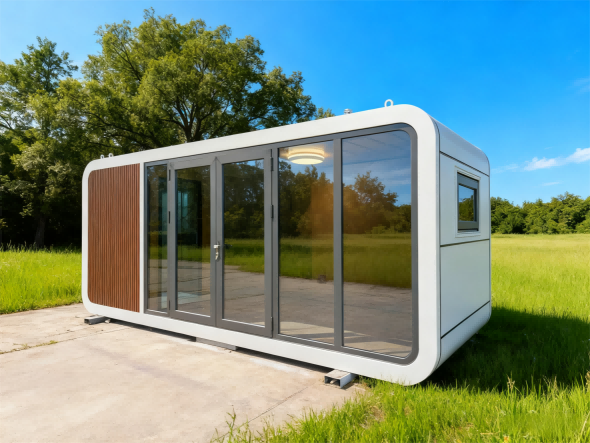
Rising Demand for Modular Houses in Modern Housing Markets
Surging interest in modular house adoption across urban and suburban areas
Modular housing is booming right now, with markets around the world expecting massive expansion. The numbers tell the story pretty clearly - what was worth about 84.4 billion dollars back in 2020 could hit nearly 130.5 billion by 2025 according to MarketsandMarkets research from that year. Cities struggling with housing crises are getting creative solutions through modular construction. Take places like LA and New York where officials see these prefabricated homes as quick fixes for their affordability problems. Meanwhile out in the suburbs, builders are starting to favor factory made units because they fit well with green building trends and create less environmental impact overall. We're also seeing governments get involved in making things easier for modular housing projects. California passed something called the Modular Housing Acceleration Act in 2023 specifically designed to speed up approval processes, showing just how serious policymakers are about embracing these alternative building methods.
Demographic trends driving demand: Millennials, Gen Z, and downsizers
The younger generation makes up about 63 percent of people buying modular homes according to recent housing trend data from 2023. These folks tend to focus on getting into the housing market without breaking the bank while still wanting some customization options for their space. Meanwhile older adults looking to downsize have pushed ADU installations up by around 40% since 2021. Many opt for modular designs when creating extra living spaces either for family members or generating rental income. And this fits right in with what Generation Z cares about most these days sustainability. Modular construction actually consumes between 15 to 30 percent fewer resources during building compared to regular stick built homes. The environmental benefits combined with practical advantages explain why so many young people are turning toward this alternative housing solution nowadays.
Growing industry adoption and increasing market competitiveness
The big name construction companies are stepping into the modular building arena these days, going head to head with all those innovative startups trying to shake up the industry. According to recent data from 2024, modular construction actually cuts down on material waste by around 28 percent and speeds up projects by about 35 percent when compared to traditional building approaches. Things have gotten even better for modular builders since 2022 when zoning laws changed in 22 different states across the country. And let's not forget the money pouring in either. Investors have thrown $2.6 billion at modular construction technology so far this year alone, which represents a massive jump from just three years ago back in 2019.
Affordability and Cost-Efficiency of Modular House Construction
Cost-Effectiveness Compared to Traditional Construction Methods
Modular homes deliver 10-20% lower construction costs than site-built equivalents through factory precision and bulk material purchasing, according to a 2024 analysis by the American Progress think tank. This approach eliminates weather delays and reduces labor expenses by 25-40% through concurrent site preparation and module assembly.
| Construction Type | Avg. Cost/Sq Ft | Build Time | Material Waste |
|---|---|---|---|
| Modular | $150-$250 | 3-6 months | <10% |
| Traditional | $200-$350+ | 9-18 months | 30%+ |
Factory-controlled environments minimize errors and enable exact material calculationsâcritical for developers addressing housing shortages. Case studies of urban projects reveal 60% waste reduction compared to conventional sites, directly lowering disposal fees and environmental impact.
Modular Homes as a Scalable Solution for Affordable Housing
The systemâs repeatable designs allow rapid deployment of multi-unit developments while maintaining customization. Standardized components slash architectural fees by 15-30%, making modular construction viable for public housing initiatives and private developers alike.
Long-Term Savings Through Reduced Labor and Material Waste
Energy-efficient factory processes and tighter building envelopes cut HVAC costs by 12-18% annually. With 85% of modules arriving site-ready, projects avoid the 22% average cost overruns typical in traditional builds.
Faster Construction Timelines and Project Delivery
Parallel Site Preparation and Factory-Based Building Cutting Project Time
Modular homes can be built much faster because work happens at multiple places at once. When workers are getting ready for the foundation, the factory is already making walls and roofs inside temperature controlled buildings. Studies of prefabricated housing show this system cuts down building time by around 30 to 50 percent compared with old fashioned construction techniques. Weather related delays that typically hold up traditional projects for about two months just don't happen with modular construction, as noted in a recent study from Building Efficiency Journal last year.
Minimized Delays Due to Weather and Supply Chain Disruptions
Modular construction benefits greatly when done in factories rather than on site, mainly because it avoids those pesky delays caused by bad weather and running out of materials. When companies handle all their buying through central warehouses, they can purchase materials in bulk which makes the whole supply chain much more reliable. According to the Construction Logistics Report from last year, this approach cuts down supply issues by almost half compared to traditional building methods. Plus, modern factories track inventory automatically so parts arrive exactly when needed on the assembly line. This has cut down wasted time waiting for components by over half in many operations across the country.
Case Study: 60% Reduction in Build Time for a Mid-Sized Modular Development
In Portland, Oregon, a 36 unit modular housing complex showed just how efficient this approach can be, finishing construction nearly two thirds quicker than standard building techniques. The total cost came out to around six point eight million dollars, but by running factory production at the same time as getting the land ready, they managed to slash what would normally take fourteen whole months down to just over five and a half. According to those behind the project, much of this speed boost came from streamlining their modular workflow. They were able to handle permits while components were being built off site, and everything fit together so well because each piece was engineered with such precision in the factory setting.
Sustainability and Environmental Advantages of Modular Houses
Energy Efficiency and Eco-Friendly Practices in Offsite Construction
Factory built modular homes actually do a better job at saving energy because they're constructed in controlled settings where everything from insulation to sealing can be done right. Some research out of Cambridge and Edinburgh Napier in 2023 showed that this approach cuts down on what's called embodied carbon by around half when compared to regular stick built houses. Most manufacturing plants now have solar panels installed too, so they aren't drawing as much electricity from coal or gas powered grids while making these homes. The combination of tight construction and green power makes modular housing pretty eco friendly overall.
Reduced Construction Waste and Optimized Resource Utilization
Modular construction generates up to 90% less material waste, as components are prefabricated to exact specifications. Research from Oxford Brookes University highlights how this method prevents overordering and enables 97% recycling of excess materials like steel and drywall. Additionally, centralized manufacturing reduces vehicle trips to construction sites by 80%, slashing transportation-related emissions.
Are Modular Homes Truly Greener? Analyzing the Environmental Controversy
Critics argue that transporting prefabricated modules increases carbon footprints. However, modern modular factories strategically locate near urban hubs and use electric vehicles for delivery. A 2024 analysis revealed that factories powered by renewable energy offset 92% of emissions tied to transportation.
Innovations in Recyclable Materials and Low-Carbon Manufacturing Processes
Leading manufacturers now use bamboo, recycled plastics, and low-carbon concrete to build modular homes. Closed-loop systems repurpose 99% of water used in production, while innovations like carbon-sequestering insulation materials further reduce environmental impact. These advances align with global net-zero targets, positioning modular houses as a cornerstone of sustainable housing.
Design Flexibility, Quality, and Durability of Modular Homes
Modern Design Flexibility Breaking Outdated Stereotypes
These days modular homes are really catching up with conventional buildings when it comes to creative designs. People can choose from all sorts of floor plans these days - think tiny studio apartments right up to big houses with multiple stories for families. What's interesting is that factories actually make it possible to build complicated shapes that used to only be feasible on actual construction sites. We're talking about those cool cantilevered sections sticking out over nothing and walls that follow natural curves rather than straight lines. According to one detailed report in the industry, most folks (around 8 out of 10) tweak their home layouts using those fancy 3D modeling programs long before any physical construction even starts happening.
Customization Through Technological Innovations
- Parametric design software enables millimeter-level adjustments to module dimensions
- Prefab smart home packages integrate voice-controlled lighting and HVAC systems
- Swappable façade panels allow exterior style changes without structural modifications
Structural Integrity Meets Code Compliance
Factory-built modules undergo rigorous stress-testing for transport and seismic stability, often exceeding local building codes. Third-party inspections at multiple production stages ensure consistency rarely achievable in on-site construction. Industry studies show modular units withstand wind loads up to 130 mphâ20% higher than conventional homes.
Long-Term Durability Debunked
The old myth that modular homes don't last as long just doesn't hold water anymore. Research from 2024 on modular architecture shows that around 92 percent of these homes constructed since the turn of the century are still standing strong structurally. What makes them durable? Builders typically install those double layer moisture barriers which really help against rain damage, plus they weld together steel frames instead of just bolting things together. When owners take care of their modular home properly, these places can stick around just as long as stick built houses next door. Insurance companies have caught on too many now give exactly the same warranty coverage for both types of construction, something that didn't happen back when modular was first getting popular.
FAQ
What are modular homes?
Modular homes are prefabricated structures built in factories in sections or modules that are then transported to the site and assembled.
Why is modular housing gaining popularity?
Modular housing is popular for its cost-effectiveness, speed of construction, reduced environmental impact, and design flexibility compared to traditional building methods.
Are modular homes environmentally friendly?
Yes, modular homes are designed to be environmentally friendly, generating up to 90% less material waste and utilizing energy-efficient processes.
How do modular homes achieve cost savings?
Cost savings in modular homes come from factory precision, bulk material purchasing, reduced labor expenses, and minimized construction waste.
Can modular homes be customized?
Yes, modular homes offer design flexibility and customization options, allowing homebuyers to choose from various floor plans and features.
Table of Contents
- Rising Demand for Modular Houses in Modern Housing Markets
- Affordability and Cost-Efficiency of Modular House Construction
- Faster Construction Timelines and Project Delivery
- Sustainability and Environmental Advantages of Modular Houses
- Design Flexibility, Quality, and Durability of Modular Homes
- FAQ