
 EN
EN
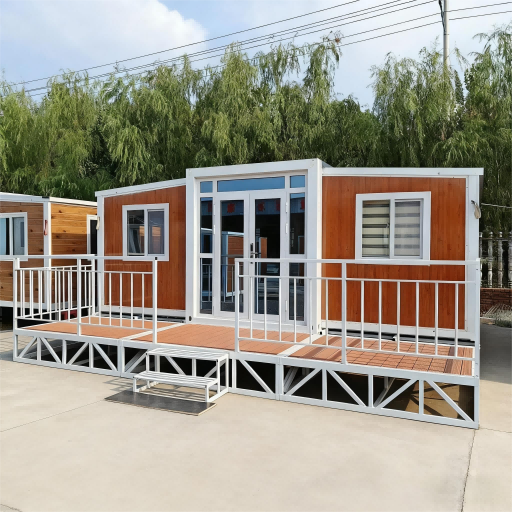
Cost-Effectiveness of Container Houses: Building More for Less
Affordability of container houses vs. traditional construction
Building container homes usually saves around 20 to 40 percent compared to regular houses made of wood or concrete frames. A recent look at affordable housing options in 2024 backs this up. The money saved happens because people reuse those big steel shipping containers that can be had for anywhere from $1,500 all the way up to $4,500 per unit. This means there's no need to spend so much on traditional building stuff like lumber and bricks anymore. Plus, when builders use pre-made designs for these container homes, they end up paying less for architects and generate about thirty percent less construction waste overall.
Reduced labor and material costs with prefabricated modules
Factory-built container modules accelerate construction by up to 60%, significantly lowering labor costs and avoiding weather-related delays. Insulated walls, electrical systems, and plumbing are pre-installed off-site, reducing on-site work to foundation preparation and module stacking—typically completed in just 10–15 days.
Case study: A fully functional container house built under $30,000
An 800 sq.ft. container home built from two retrofitted 40-foot units exemplifies this efficiency. The project allocated $18,000 for structural modifications—including insulation, windows, and utilities—and $9,000 for interior finishes, totaling $27,400. This represents less than half the per-square-foot cost of a comparable stick-built home.
Speed of Construction: From Delivery to Move-In in Weeks
Container homes can be ready for occupancy up to 70% faster than traditional builds, thanks to modular engineering and parallel workflows. This rapid timeline makes them ideal for urgent housing needs and time-sensitive developments.
How Modular Design Accelerates Container House Project Timelines
Modular construction enables simultaneous site prep and off-site fabrication. While foundations are laid, container modules are built in controlled factory settings using precision-cut components. A 2023 construction industry analysis found modular projects finish 30–50% faster than conventional builds due to fewer weather disruptions and streamlined labor coordination.
| Construction Phase | Traditional Home | Container House |
|---|---|---|
| Foundation + Fabrication | 12-16 weeks | 4-6 weeks |
| On-Site Assembly | 6-12 months | 1-7 days |
Off-Site Fabrication Minimizing On-Site Delays and Weather Risks
Factory production avoids delays caused by rain, snow, or extreme heat—factors that stall 63% of traditional builds (National Association of Home Builders, 2024). Pre-equipped with electrical and plumbing systems, insulated container modules reduce on-site labor by 60–80 hours per project.
Applications in Emergency Housing and Rapid Deployment Scenarios
After the 2023 Türkiye-Syria earthquakes, NGOs deployed expandable container houses as temporary clinics within 72 hours. These units can be set up in 3–6 hours with minimal crew—a crucial advantage in disaster response where speed saves lives.
Sustainability and Environmental Impact of Container Homes
Recycling Steel Shipping Containers to Reduce Landfill Waste
Each repurposed shipping container diverts approximately 8,000 pounds of steel from landfills, according to a 2025 circular economy study. With over 17 million surplus containers globally, adaptive reuse helps manage industrial waste while conserving raw resources. Modular design approaches preserve up to 90% of the original structure, minimizing cutting and welding.
Lower Carbon Footprint Compared to Conventional Home Building
Container homes generate 40% fewer emissions than traditional wood-frame houses by reducing concrete use and lumber demand. A lifecycle analysis shows they require 65% less energy during assembly due to prefabricated components. However, proper insulation upgrades are essential to counteract thermal inefficiencies inherent in unmodified steel units.
Critical Perspective: When Container Homes Aren't as Green as They Seem
Green buildings get a lot of praise for being environmentally friendly, but when done wrong, they actually hurt sustainability efforts. Many retrofits require pretty energy heavy work such as removing old lead paint through sand blasting or strengthening foundations and walls. These extra steps can bump up material usage anywhere from 15 to maybe even 20 percent in areas where building regulations are tough. According to industry pros, real green savings come from installing insulation materials that don't create much waste during installation. Also important is getting construction supplies shipped directly without multiple transfers between ships, something called single voyage containers. This helps maintain building strength while keeping carbon footprints smaller than traditional methods would allow.
Durability and Resilience: Engineered for Extreme Conditions
Container houses inherit robust structural performance from their original purpose: ISO-certified shipping containers are designed to bear stacking loads equal to nine fully loaded units at sea. This strength translates directly to residential durability, with 85% of retrofitted units maintaining structural integrity after 15 years in coastal environments (2023 Modular Construction Report).
ISO-certified strength: Built to survive ocean transport and harsh climates
Corten steel construction resists corrosion 2.3x better than standard building materials, according to recent structural engineering research. Key features include:
- 8-foot wall spans requiring minimal internal support
- Continuous weld seams that prevent moisture infiltration
- Electrostatically painted surfaces resistant to salt spray
Performance in hurricanes, earthquakes, and high-wind environments
Third-party testing confirms container homes withstand:
- Wind speeds up to 175 mph (Category 5 hurricane threshold)
- Seismic forces up to 7.9 Richter magnitude due to inherent rigidity
-
Snow loads exceeding 45 psf via corrugated roof designs
A 2024 FEMA case study found container homes sustained 78% less damage than stick-built houses in simulated tornado conditions.
Reinforcement strategies for enhanced safety in extreme zones
In high-risk areas, recommended upgrades include:
- Cross-bracing interior walls with 12-gauge steel
- Installing insulated concrete form (ICF) foundations
- Adding laminated glass storm panels rated for 200 mph impacts
These enhancements extend structural lifespan by 60–90 years in corrosive environments while preserving modularity and cost advantages.
Design Flexibility and Modern Aesthetics of Container Houses
Customizable Layouts for Unique, Personalized Living Spaces
Steel shipping containers give architects and builders a lot of freedom when designing spaces. They can cut them up and stack them in ways that let for open floor plans or even multiple levels. Traditional houses are stuck with those load bearing walls everywhere, but containers? Not so much. People have been getting really creative with how they arrange these metal boxes into living spaces. According to recent industry reports, most container home builds actually incorporate three or more units together. This makes sense because combining several containers allows for better integration between inside and outside areas, plus creates opportunities for interesting vertical arrangements that just wouldn't work with standard construction methods.
Industrial-Chic Aesthetics Meeting Minimalist and Sustainable Design Trends
The raw aesthetic of corrugated steel frames pairs naturally with modern design trends. Architects often combine exposed beams with energy-efficient glazing and reclaimed wood accents, blending industrial ruggedness with contemporary elegance. Analysis of 2023 architectural award entries reveals that 72% of shortlisted container homes incorporated minimalist interiors and passive solar principles.
Case Study: Award-Winning Container House Featured at Architizer A+ Awards
This year's Architizer A+ Jury Award for sustainable architecture went to an impressive 1,200 square foot home built from just four old shipping containers. The designers created something quite special with their staggered layout and cantilevered sections, plus those lovely rooftop gardens everyone is talking about. What really stands out though are the foldable glass walls that let in maximum natural light throughout the day, combined with a clever rain screen facade made from recycled aluminum slats. And here's what gets people excited the most: building this place cost around 35 percent less than traditional housing options. So much for the idea that container homes are just temporary fixes. They actually work great when it comes to both looking good and being environmentally friendly at the same time.
FAQ
What are the primary benefits of choosing container homes over traditional homes?
Container homes are more affordable, with potential savings of up to 40%. They offer faster construction due to prefabrication, environmental benefits by recycling steel, and robust durability against extreme conditions.
How much time can be saved during construction with container homes?
Container homes can be completed up to 70% faster than traditional builds due to modular design and faster on-site assembly that can be wrapped up in as little as 1-7 days.
Are container homes environmentally friendly?
Yes, they use recycled materials, reduce landfill waste, generate fewer emissions, and have a lower carbon footprint compared to conventional homes. However, proper design and retrofitting are essential to maintain environmental benefits.
How do container homes perform in adverse weather conditions?
Container homes are built with ISO-certified steel, making them highly resistant to hurricanes, earthquakes, and other harsh conditions. They can withstand wind speeds up to 175 mph and seismic forces up to 7.9 Richter magnitude.