
 EN
EN
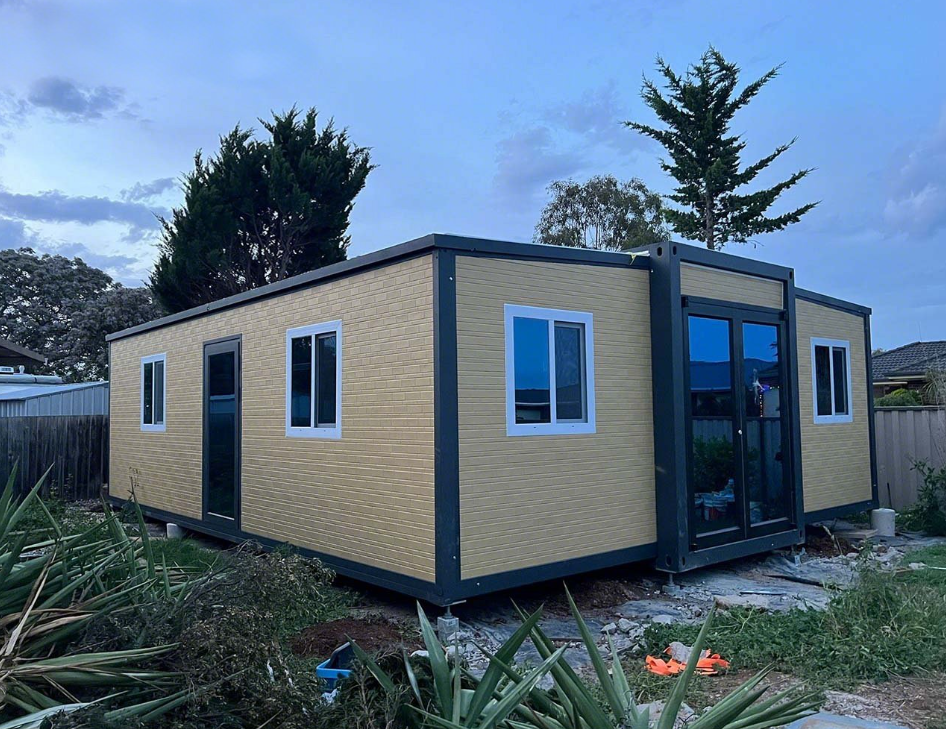
Modular Home Construction Timeline: From Order to Move-In
Building a modular home takes around four to six months from design to move-in. This method is more efficient and less timely than the twelve months or more required to construct a home on-site. This efficiency is caused by the simultaneous workflows of site preparation and home construction through factory fabrication. Below is a proposed timeline for a standard single-family home construction.
Phase Typical Duration
Design, Engineering & Permitting 2–6 weeks
Factory Fabrication 6–8 weeks
Site Preparation & Foundation Work 2–3 weeks
Module Delivery & Crane Set-Up 1–4 days
Interior Finishing & Utility Hookups 4–6 weeks
Final Inspections & Move-In Prep 1–2 weeks
Final durations depend on the complexity of the design, local permitting processes, and weather—but this phased breakdown reflects performance of reputable manufacturers and jurisdictions.
Key Factors That Affect Modular Home Build Times
There is a variety of factors that can accelerate or decelerate how soon you are able to move into your newly modular home. Understanding these factors can help set expectations for the project build and allow you to take steps to keep the project on the proposed timeline.
Custom Design and Permit Delays: The Most Time-Consuming Parts
Custom designs can cause significant delays, which is why adopting a standard floor plan from a manufacturer's catalog is a popular option among builders. Most custom designs require structural revisions, which can take several weeks. Once the design is finalized, the time it takes a jurisdiction to approve permits can vary. Some jurisdictions will fast track permits for modular projects because the units are built to pre-approved state codes (e.g., the International Residential Code or HUD standards), but others jurisdictions still require full plan reviews and zoning approvals. Engaging with a building department early and submitting accurate and supportive documents will speed up permittal. Even though modern modular construction is significantly faster (30-50%) than traditional construction, the biggest time delay remains in the permits.
Caution in the Site Prep and Foundation Stage
Construction of the modules happens at the same time as site prep, but the site determines how long this stage takes. Bad soil or a high water table can cause the time to prep a site to be extended because of the need for additional excavation and foundation work. Unfavorable weather can also affect the time to prep a site. Cold weather can easily cause delays in grading and the pouring of concrete. Choosing a site with a well and quickly draining soil will help with timing issues as will performed soil tests. Site prep should be completed when the modules arrive. Rushing site prep can create structural issues which can be very costly to fix.
Factory-Built Efficiency: How Modular Home Production Cuts Time While Maintaining Quality
Building homes with modular technology integrates clever factory processes with time-efficient building technology. Modular homes undergo factory assembly, maintaining quality and reducing material wastage with assured airtightness and insulation for each homogenous module. While the modular factory assembles your home, the groundwork is laid on your lot, drawing the process to a close in half the amount of time it would take with conventional building methods. Some modular manufacturers can complete the construction of a home in 90 days or less.
Parallel Construction: Factory Fabrication and Site Work as One
Conventional building methods progress through phases in a linear, step-by-step fashion. Modular construction methods take a factory loaded with crews pouring the services and completing the finishes of internal modules, and a site with excavators simultaneously working. This method of construction eliminates delays from the weather as well as weeks of idleness. Modular homes arrive on site for assembly with all the integrity and quality of a conventional build.
Realistic Milestones: A Phased Breakdown of the Modular Home Building Process
Understanding the steps and the timeframe it takes to complete a build empowers potential customers to make educated decisions. Though the construction of each modular home is unique, the general steps are the same.
Weeks 1–4: Design Finalization, Engineering, and Permitting
This is the phase in which design options are finalized. Engineering reviews structural and building standards (IRC or HUD, for instance) to check a home’s compliance. During this time, a build’s construction permits may be obtained. This phase may take the longest due to the varying of local preferences and construction requirements to obtain building permits. These are a prerequisite to factory assembly.
Weeks 5-12: Factory Construction, Transport, and On-Site Assembly
Most modules are produced in climate controlled facilities in only 6-8 weeks. This is a parallel process to construction of the foundation, and is done to mitigate any delays that may occur due to weather. Each stage of the module is checked for quality, from framing and MEP rough-ins to final inspections, before being transported to your site. Assembly is done with a crane, taking care to ensure that site access is planned before delivery to prevent unnecessary delays.
Weeks 13-16+: Interior Finishing, Inspections, and Move-In Readiness
Final connections for plumbing, electrical, and HVAC systems occur on-site. The final interior touches of your home, including flooring and cabinetry, are done, along with any final cosmetic touches, including paint. Landscaping and any final site work, including the driveway, is done before you are able to move in, which can only happen once all final checks are done, including the inspections. Scheduling all final inspections during this period is advised to alleviate any last minute delays.
FAQ
How long does it take to build a modular home?
A modular home can typically be built in 4 to 6 months. This covers all aspects, including final design, obtaining all permits, construction of the module in the factory, site preparation, and final assembly.
Can weather delays affect modular construction?
Because the factory is climate controlled, any weather related delays will only affect the site preparation and foundations, but do not affect the overall duration of the project greatly.
What factors influence the permitting timeline?
Each local jurisdiction has their own set of zoning laws that dictate if and how a project can take place, which can either speed up or slow down the approval of permits.
Are modular homes customizable?
Modular homes are customizable, but the design phase does tend to be much faster if you use a standard floor plan.
What are example of DoD trained site conditions?
Examples include uncompacted fill soil, poor soil bearing or high water pressures in excavation.