 EN
EN
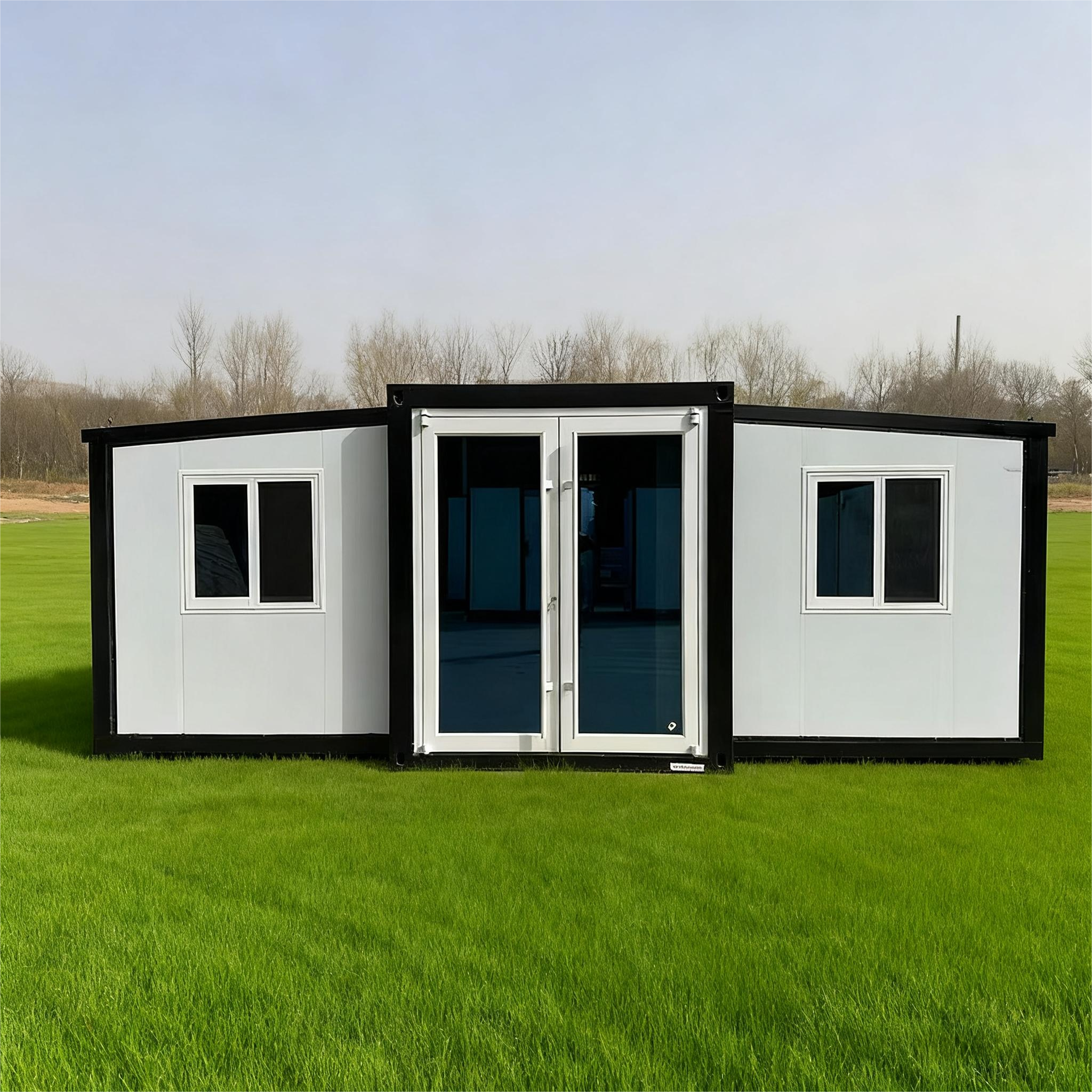
Разумевање у складу са префабрикованим кућним: сертификација фабрике против локалне надлежности
Како сертификација инжењерских пројеката треће стране осигурава структурну интегритет пре доласка на локацију
Производилац префабрикована кућа подвргнути су строгим инспекцијама треће стране према националним моделним кодовимапре свега Међународном кодку за станиште (IRC)у току производње. Независне агенције као што је Међународни савет за код (ICC) верификују усклађеност у три критична домена:
- Структурне компоненте (базе, греде, зидни монтажи)
- Интегрисани механички системи (електрички, водовод, ХВЦ)
- Огањоодпорност и енергетска ефикасност
Ова контрола квалитета изван локације користи објекте са климатском контролом и прецизну алатку, смањујући маржу грешке за 37% у поређењу са конвенционалном изградњом на локацији (НАХБ 2023). Јединице добијају трајне сертификатне ознаке пре превоза, потврђујући поштовање стандардизованих инжењерских протокола.
Зашто само у складу са фабриком не гарантује локално одобрење за префабриковану кућу
Локални зградни оддели задржавају пуну овлашћење да спроводе прописе специфичне за локацију, чак и када јединица има важећу сертификацију треће стране. Кључне разлике у надлежности укључују:
- Уговорни захтеви : Дубина замрзавања, сеизмичко закотвовање или стабилизација нагиба нису описани у производним спецификацијама
- Употребљиве везе : Општине стандарди воде/канализације или правила интерфејса електричне мреже
- Ограничења зонирања : Поремећаји специфични за парцеле, ограничења висине или естетске смернице
Ови хиперлокални мандати узрокују да 28% пројеката префабрикованих кућа захтева модификације након испоруке (Urban Land Institute 2023). Кућа са фабричким сертификатом, дизајнирана према ИРЦ стандардима, и даље може проћи инспекцију округа ако је инсталирана на нестабилном ријету који захтева специјализовано закотвовање или у обалној зони поплаве која захтева подигнуте колове.
Модуларни против произведеног: Како класификација одређује које се кодове примењују на вашу префабриковану кућу
Производити домови: Федерално регулисани под ХУД-ом (24 ЦФР Део 3280) и спречени од локалних амандмана
Производимаће куће се граде на челичним оквирима у фабричким условима, и морају да прате строга правила утврђена федералним стандардом HUD-а који се зове HUD код (то је 24 CFR део 3280 ако неко жели да га погледа). Ови прописи у основи надмашују било који државни или локални градњи кодекс који би могао постојати, тако да све фабрикантске куће испуњавају исте основне безбедносне захтеве широм земље када је у питању структура, заштита од пожара и енергетска ефикасност. Добра вест је да ова стандардизација олакшава ствари када се крећу и постављају ове куће. Али постоји и негативна страна. Произвођачи не могу да прилагоде своје дизајне за одређене регије, осим ако сами не додају додатне карактеристике. Размислите о местима у којима се често дешавају земљотреси и којима је потребно посебно појачање или о обалним подручјима у којима је потребно чвршће покриве против урагана.
Модуларни домови: у потпуности подложни државном и локалном усвајању ИРЦ / ИБЦ Направљање префабрикованих кућа које дозвољавају локацију
Када је у питању изградња модулних кућа, потребна је усаглашеност са Међународним стамбеним кодексом (ИРЦ) или Међународним грађевинским кодексом (ИБЦ), а ови кодови се примењују другачије у државама и градовима. Оно што модуларне куће разликује од произвођених јединица је то што не користе федералну превенцију, што значи да свака од њих пролази кроз комплетне локалне процесе дозволе. Контрагенти који раде на овим пројектима морају да се баве свим локалним правилима у вези са темељима, колико тежине покриви могу да поднесу у снежним подручјима, спремност за земљотресе и стандарде енергетске ефикасности. Узмите Калифорнију на пример, где одредбе о енергетским правилима из члана 24 одређују какву врсту изолације и прозора су потребне, или погледајте Флориду, где зграде морају издржати ураганске ветрове. Шта је било крајњи резултат? Заводски одобрени модули могу бити подложни озбиљним структурним променама када се крећу из Тексаса у Масачусетс. Овај "пачворк" приступ дефинитивно чува заједнице безбедним у складу са њиховим специфичним ризицима, али чини да испорука готових кућа преко државних граница прави главобоља за градитеље који покушавају да рационализују операције.
Пропасти у усвајању моделног кодекса: Зашто се усаглашеност са префабрикованим кућама разликује у државама и окрузима
ИРЦ и ИБЦ као де факто стандарди Али само тамо где су усвојени и спровођени локално
ИРЦ и ИБЦ су у основи стандарди за модуларну изградњу, иако се заиста рачунају само када их државе или локалне власти уствари усвоје и правилно спроводе правила. Добар део америчких округа, можда око 30%, још увек ради са старим грађевинским законима или имају своје посебне амандмане за ствари као што су земљотреси, задржавање топлоте и отпорност ветра. Пошто ови кодови нису јединствени широм земље, модул који је сертификован у фабрици према ИРЦ 2021 стандардима може бити у супротности са специфичним законима о енергетској ефикасности у хладним подручјима или пропустити услове за високу висину поплаве дуж обале. Произвођачи се суочавају са стварним главобољема јер морају да стално прилагођавају своје дизајне само да би испунили сва ова различита локална правила која се често чак ни не уклапају једна са другом.
Студија случаја: Различити резултати за идентичне предфабриковане куће у Калифорнији против општина у Тексасу
Две скоро идентичне модулне куће су протекле кроз потпуно различите процесе одобрења у округу Сан Дијего и Аустину. У Калифорнији су строги прописи из Поглавља 24 значили да су власници кућа морали да потроше око осамнаест хиљада долара на додавање соларних панела како би испунили енергетске стандарде. У Тексасу су градитељи морали да прерадују своје темељне пиље због специфичних захтева за дубином. Остинска кућа је прошла све инспекције за само четрнаест дана захваљујући стандардним ИБЦ кодовима усвојеним на државном нивоу. Али ствари су протекле много спорије преко границе где су калифорнијски званичници задржали пројекат 11 недеља због проблема са ширином прилаза везаних за правила приступа ватрогасача. То показује да префабриковане куће нису заиста одрживале ако не одговарају локалним прописима. Производња сертификације и инжењерски одобрења су важни, наравно, али не могу да превазиђу оно што градоначелници одлуче рачуна као прихватљиву грађевинску праксу.
Потребе које се односе на локацију које су надмашиле фабричко сертификовање за префабриковане куће
Фундацијални системи, комуналне везе, приступ ватрогасничкој служби и компатибилност зонирања
Производња сертификација потврђује структурну интегритет током производње , али не надвладава локалне захтеве локације. Када се испоручи, ваша префабрикована кућа мора да испуни специфичне мандате за:
- Инжењерство темеља : Проба земљишта одређује дубину, појачање и закотвење 42% кашњења произилазе из неодобраних темеља (Институт за модуларну зграду 2023)
- Употребљиве везе : Локални инспектори проверују електричне, водоводне и гасне везе у односу на општинске законеФабрички сертификовани системи често морају да се прилагоде на месту
- Доступ на ватру : Ширина пута, радијес окретања и близина хидранта морају задовољити прегледа пожарних маршала
- Компатибилност зонирања : Поремећаји, ограничења висине и класификације коришћења земљишта варирају по округу
Документација за усаглашеност фабрике нема овлашћење над овим хиперлокалним мандатима, јер се инсталација одвија под регулаторним надзором регионалних зградних одељења.
Често постављана питања
Која је главна разлика између модуларних и фабричких кућа у погледу усаглашености?
Модуларне куће морају да се сложе са државним и локалним кодовима, као што су ИРЦ / ИБЦ, који се разликују по локацији, док се фабрикантске куће придржавају федералних ХУД прописа, који превазилазе локална правила.
Зашто фабричка сертификација не може да гарантује локално одобрење за префабриковане куће?
Производњачка сертификација верификује структуралну квалитетност на основу националних кодова, али морају се испунити и локални захтеви у области правне надлежности у вези са темељима, комуналним везама, зонирањем и предпожарном сигурношћу, што може захтевати даље модификације.
Да ли су префабриковане куће потребне за модификације након испоруке?
Да, 28% префабрикованих кућа може да треба да се модификује након испоруке због локалних мандата који се разликују од фабричких спецификација.
Зашто се у складу са предфабрикованим кућама разликује по државама и окрузима?
Поштовање варира јер државе и локалне самоуправе не могу једноставно усвајати или спроводити стандарде ИРЦ и ИБЦ, што резултира лацверком локалних грађевинских кодова и амандмана.
Садржај
-
Разумевање у складу са префабрикованим кућним: сертификација фабрике против локалне надлежности
- Како сертификација инжењерских пројеката треће стране осигурава структурну интегритет пре доласка на локацију
- Зашто само у складу са фабриком не гарантује локално одобрење за префабриковану кућу
- Модуларни против произведеног: Како класификација одређује које се кодове примењују на вашу префабриковану кућу
- Пропасти у усвајању моделног кодекса: Зашто се усаглашеност са префабрикованим кућама разликује у државама и окрузима
- Потребе које се односе на локацију које су надмашиле фабричко сертификовање за префабриковане куће
-
Често постављана питања
- Која је главна разлика између модуларних и фабричких кућа у погледу усаглашености?
- Зашто фабричка сертификација не може да гарантује локално одобрење за префабриковане куће?
- Да ли су префабриковане куће потребне за модификације након испоруке?
- Зашто се у складу са предфабрикованим кућама разликује по државама и окрузима?