
 EN
EN
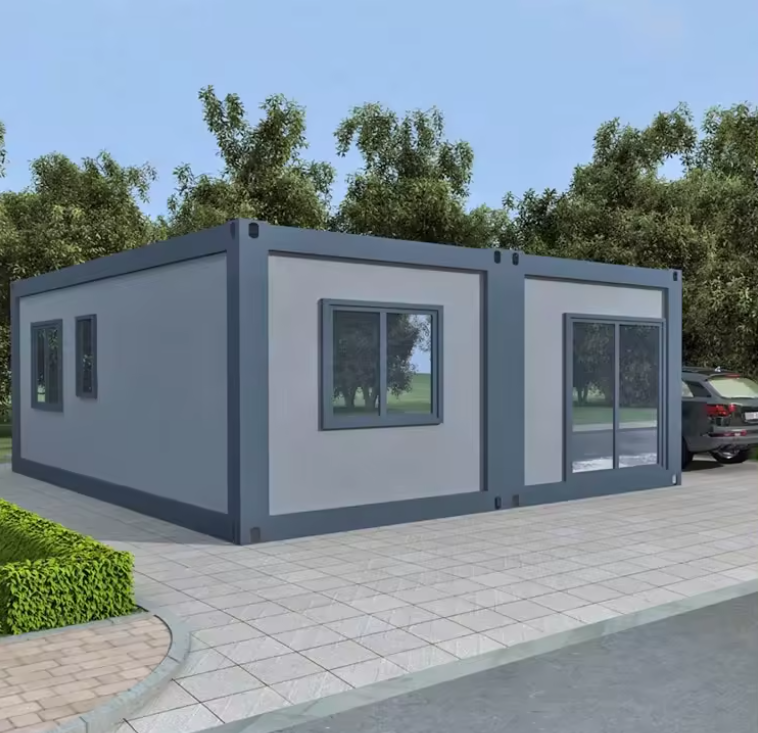
Speed and Efficiency of Modular House Construction
System-built modular construction reduces timeframes of building projects by 50%
The primary benefit of modular and prefabricated construction systems is speed. Traditional builds can take anywhere from 12 to 18 months. Modular factory-built systems reduce total timeframes by 30-50% as the modules of a building can be manufactured at the same time as the foundation work is done on site (Modular Building Institute, 2023). A good example of this is a 300-room hotel built for the 2018 Winter Olympics. The entire project was completed in 185 days from the start of the factory construction to the completion of the structure. A similar hotel of a cast-in-place concrete construction would take an additional 18 months to complete (McKinsey & Company, 2019). This speed is a result of building 85% of a project in a factory, under the confinement of a building and a work environment free from the effects of weather, which helps reduce the amount of labor work that is not efficient. This leads to a quicker return on investment for the developer, as they will start to earn money from the project sooner and financing costs will be less.
The speed of modular construction is based on three core principles. The first is the parallel work streams, which allow excavation and foundation work to be done in conjunction with the factory work of building the modules. This can save a project 50% of the time. The second principle is weather-independent building. As most traditional projects can be delayed by weather (which accounts for up to 23% of delays in a building project), prefabricated construction can, for the most part, be built and assembled in a factory free of the effects of rain, snow, and temperature. The third principle is the minimal on site work that is required after modules have been assembled. Modular construction is designed so that the modules arrive at the project site almost completely built (90% complete) with all the fixtures, finishes, and MEP systems. The only construction that takes place on site is the use of a crane to put the structural segments together and connect the utilities. Modular construction systems have made a traditionally long and capital intensive project become a predictable and responsive construction system that is easily scaled, making it a very beneficial construction system to use when new housing construction is required quickly and during a disaster.
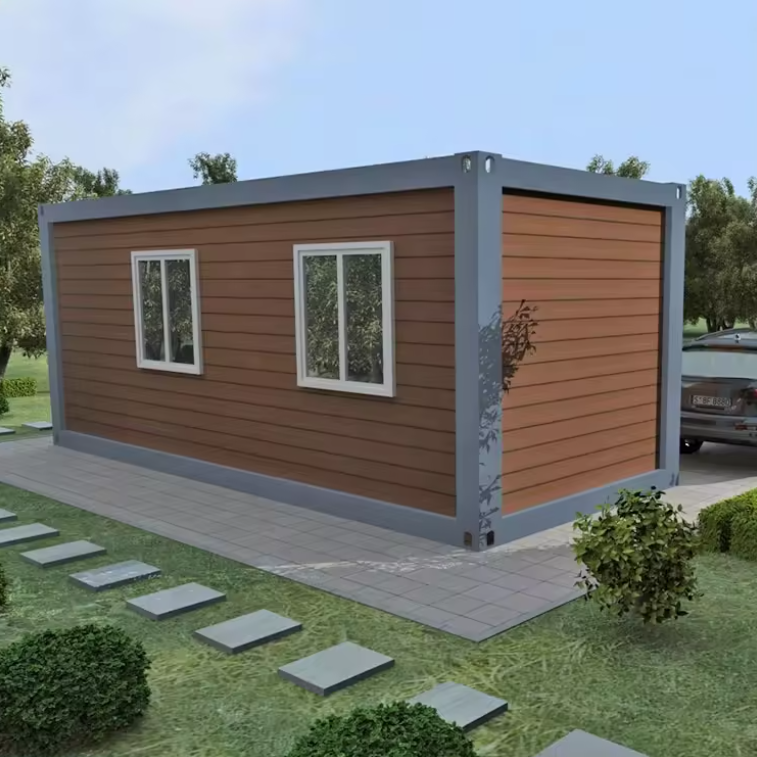
Affordability and Strong ROI for Modular House Projects
Falling labor and material prices, and loan interest rates, all favor modular construction over traditional methods
When compared to traditional stick-built homes, modular construction saves up to 20% in labor prices and 10-15% in total construction costs thanks to controlled waste and construction processes (Modular Building Institute, 2023). Precision cutting paired with bulk and digital inventory systems helps to reduce supply waste, and these savings extend to financing and interest costs. The quicker the construction process, the less interest accrued on loans. It is modular construction's combination of these advantages that draws both budget-constrained buyers and developers.
A modular construction solution to labor, supply chain and other on-site disruptions
In spite of labor, supply, and even weather disruptions, modular construction helps to decouple on-site constraints from production and helps to respond to these challenges with its factory-bound construction processes. Modular construction helps to ensure that quality and timely constructions do not have to be sacrificed during large-scale construction projects. Compared to stick-built homes, construction time is decreased from 30 to 50%.
Better Sustainability and Environmental Performance of Modular Houses
Sustainable and efficient design of construction processes and systems
Modular builds possess superior factory-based construction processes. These elements not easily controlled or managed on-site carry tougher insulation, protection from outside air infiltration, and reduction in thermal bridging. Each component is designed, built, and maintained digitally with up to 90% reduction of waste through built-in recycling processes. Without the on-site waste common with other construction processes, Modular builds offer improved energy performance and reduced operational carbon.
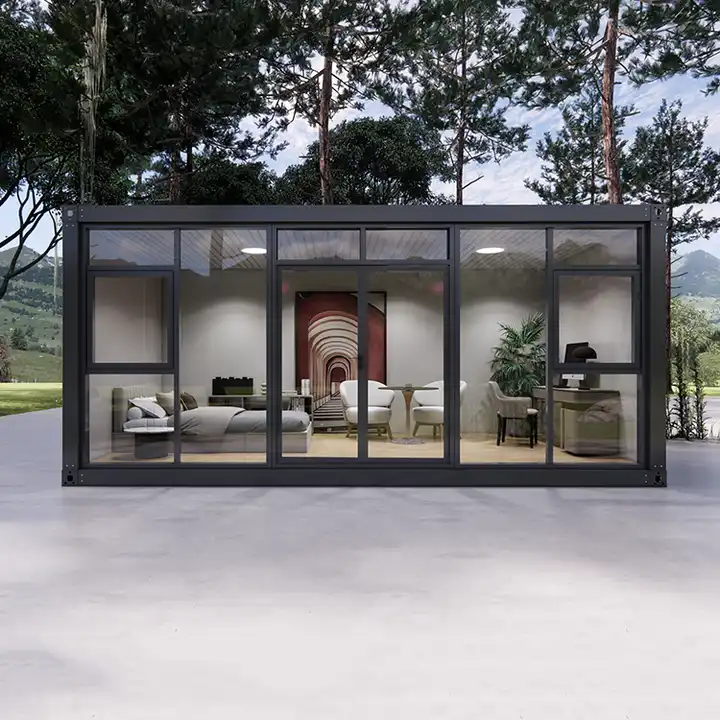
Less carbon and reduced lifecycle impact.
Due to the factory-based singular builds, modular construction reduces the carbon impact during construction processes. Because the factory-based construction is automated, replacement components sustain modular builds through superior energy improvement, factory-based construction and waste management. Modular construction is designed to integrate it with solar panels, electrical vehicles, and a smart building technology. Modular construction systems have a reduced construction, operational and ecological impact.
Become More Productive and Less Wasteful When Building Modular Houses
Building modular houses can make construction faster and more resourceful. Modular houses consist of factory precut sections. Eventually, the processed sections reach the construction site where workers assemble the house. After a modular house is finished, the overall construction time and money cost are lower when compared to traditional houses.
Another advantage of building modular houses is time savings. When workers construct traditional houses, time consuming processes are done sequentially. For example, building the foundation and manufacturing the house walls must be done one after the other. However, time consuming processes in modular houses can be done simultaneously. Because of this, modular houses are completed faster and are ready for occupancy sooner.
People who want to minimize their impact of building a house on the environment should also consider modular houses. Precision engineering reduces the amount of materials wasted when compared to traditional houses. Modular houses can be designed to use the materials more efficiently. Furthermore, building a modular house requires less construction effort. Because of precision engineering, the sections used to build a modular house can be made to fit easily. These sections can be designed to reduce space and transportation as well. Overall, the design of a modular house contributes to less overall impact on the environment when compared with traditional houses.
Are modular houses affordable?
Certainly, modular houses can be estimated to be 15% cheaper than traditionally built houses because they save costs on forms of labor, material wastage, and financing costs incurred when traditional building projects take longer to complete.
Do modular homes compromise on quality?
Absolutely not, modular homes are built in a factory controlled environments in which consistent quality is achieved through systemized production and adherence to building codes.